Mold Removal in Rye: Strip Out, or Rebuild to the Freeboard
In Rye the removal decision runs straight into a rebuild decision, because the standard a lower level goes back to here is set two feet above the map.
Mold Removal quote in Rye
Tell us what you can see or smell, where in the house it is, and whether water has been in that space before. That last answer is the one that changes our advice most, because a space that has taken water more than once is asking a different question from a space that took it once.
$100 off your first job
Credited by us on your first booked job.
- One credit per customer per property, on your first booked job.
- Valid through December 31, 2026.
Mention this offer when you book. Full terms.
Why a Rye removal is really a rebuild question
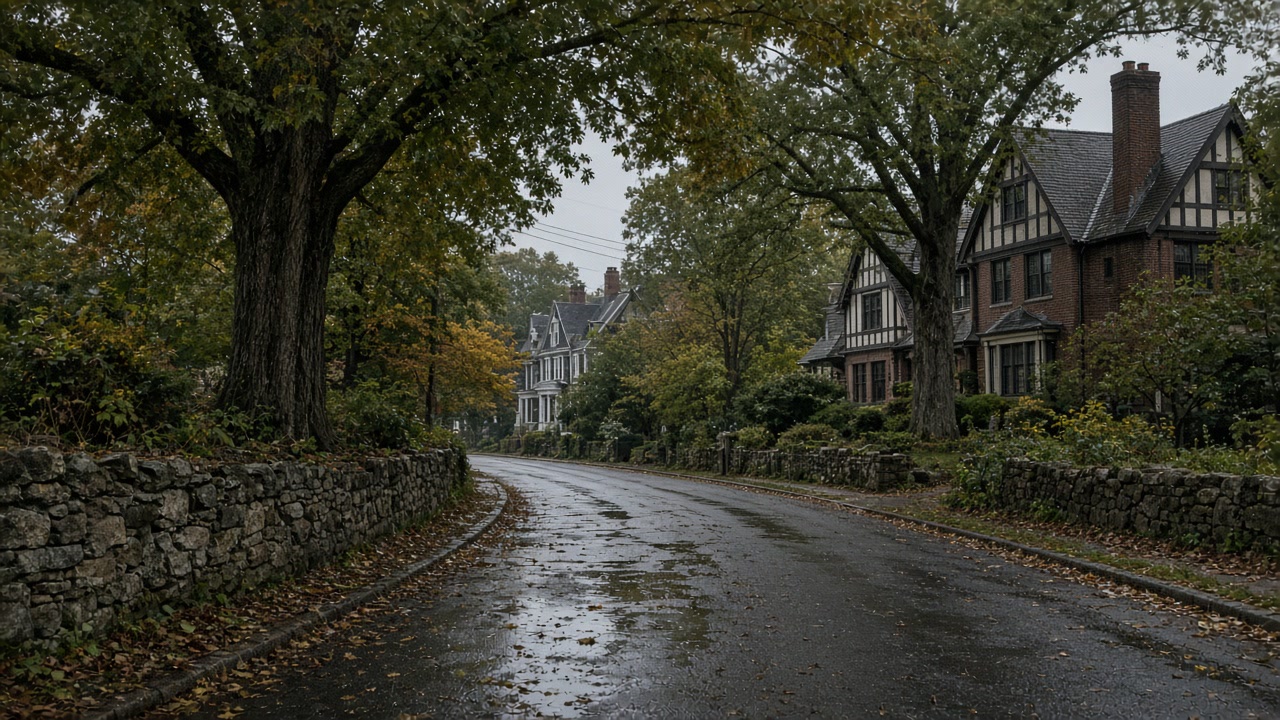
What comes out of a Rye lower level is the easy half. What goes back is where the money is, and Rye is the one city on this site where that question has a published answer: new residences are constructed as flood resistant structures with a two foot freeboard requirement, and the City told the county it is an active market for residential tear-downs. Set against a stock with a median year built of 1957 and 30.3 percent of homes finished in 1939 or earlier, that produces two very different conversations on the same street, and a removal scope should be written knowing which one you are having.
What mold removal involves in Rye
What has to be fixed before the Rye room is closed up
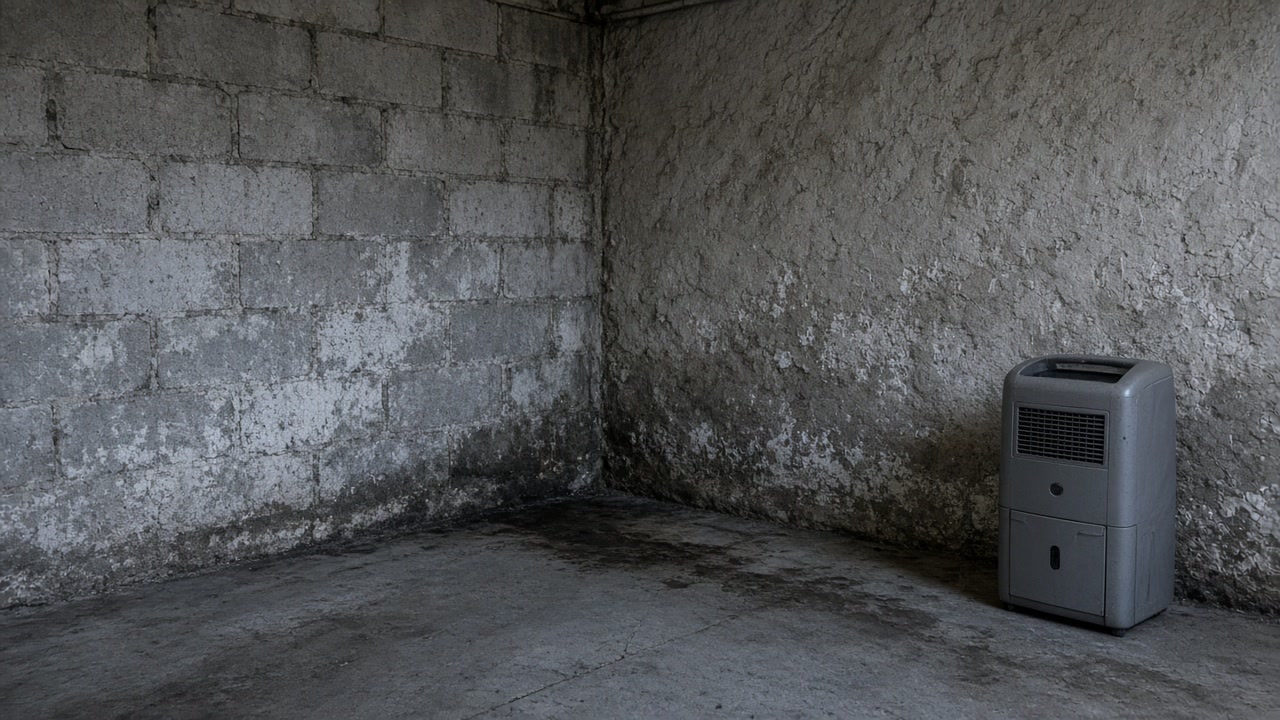
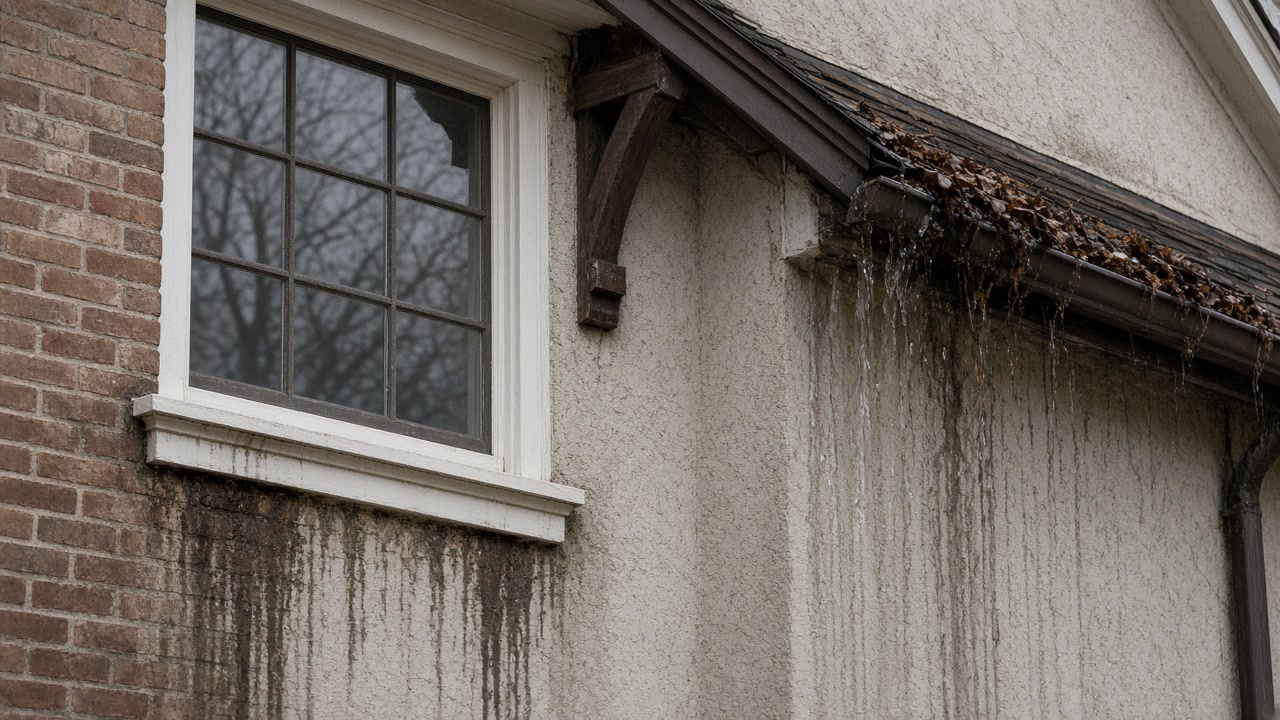
Decide before the contract whether you are restoring the room or changing it, because New York splits the work in a way that punishes vagueness. Section 930 defines remediation as removal, cleaning, sanitizing, containment and waste handling and stops there, so the water is somebody else's scope. Section 947 then withholds clearance unless the assessment licensee determines the underlying cause has been remediated so that it is reasonably certain the mold will not return. In a city that builds two feet above base flood elevation, the cause fix and the rebuild specification are frequently the same piece of work, and a removal booked without them attached is a room that gets opened twice.
Whether the room is going back as it was
Rye told the county it is an active market for residential tear-downs and that new residences are built as flood resistant structures to a two foot freeboard. That is the local benchmark for a reinstated lower level.
What the removal contract legally covers
Removal, cleaning, sanitizing, containment and waste handling, and nothing beyond. New York's definition of remediation does not extend to the underlying source of the moisture.
Who has to be satisfied at the end
A separate assessment licensee, who must determine the underlying cause has been remediated so that it is reasonably certain the mold will not return before a passed clearance report can be issued.
Rye's two foot freeboard, and what it means for a rebuilt basement
In the 2019-2023 American Community Survey, Rye city has 6,151 housing units with a median year built of 1957, 30.3 percent built in 1939 or earlier, and 70.6 percent of its 5,758 occupied units owner occupied. The City told the county that "Rye is an active market for residential tear-downs" and that "New residences are constructed as flood resistant structures with a 2-foot freeboard requirement".
Source: U.S. Census Bureau, American Community Survey 2019-2023 5-Year Estimates, Tables DP04 and B25035 and Westchester County Department of Planning, 2021 Countywide Hazard Mitigation Plan, Section 9.5 City of Rye, accessed 2026-09-22
Asked in the 2021 county plan whether its flood hazard maps adequately address flood risk, the City of Rye answered: "No. The 2007 FIRM lowered flood elevations on Blind Brook south of I-95. Based on actual flooding experience in the April 2007 flood, the former 1984 FIRM elevations were more accurate." The City exceeds the NFIP minimum and "requires a two-foot freeboard (i.e. FFE has to be two feet above BFE)", and reports that after the 2007 floods about a dozen homes were elevated, all funded by the property owners.
Source: Westchester County Department of Planning, 2021 Countywide Hazard Mitigation Plan, Section 9.5 City of Rye, accessed 2026-09-22
New York Labor Law section 930 defines mold remediation as the business of removal, cleaning, sanitizing or surface disinfection of mold, mold containment and waste handling, and that definition does not extend to remediation of the underlying sources of moisture. A "project" under Article 32 means mold remediation, assessment or abatement of areas greater than ten square feet undertaken for the purpose of mold remediation or abatement, and excludes routine cleaning and construction, maintenance, repair or demolition undertaken for other purposes.
Source: New York State Senate, Labor Law section 930, accessed 2026-09-22
New York Labor Law section 947 requires a post-remediation assessment for a project to achieve clearance, and requires the assessment licensee to determine, among other things, that "the underlying cause of the mold has been remediated so that it is reasonably certain that the mold will not return". The licensee issues a written passed clearance report, or, if the work is unsuccessful, a written final status report to the client and to the remediation licensee.
Source: New York State Senate, Labor Law section 947, accessed 2026-09-22
Question 27 of the New York Property Condition Disclosure Statement, form DOS-1614-f revision 02/25, asks the seller: "Has the property been tested for indoor mold? If yes, attach a copy of the report". The form's environmental preamble lists "indoor mold" among the hazardous or toxic substances the section covers.
Source: New York State Department of State, Division of Licensing Services, Property Condition Disclosure Statement DOS-1614-f, accessed 2026-09-22
New York's Property Condition Disclosure Act was amended effective March 20, 2024. The seller's $500 credit in lieu of delivering a Property Condition Disclosure Statement was removed and seven flood questions were added. Real Property Law section 465 as it now reads contains no credit provision and states that a seller "shall be liable only for a willful failure to perform the requirements of this article", and for such a willful failure "shall be liable for the actual damages suffered by the buyer in addition to any other existing equitable or statutory remedy".
Source: New York State Senate, Real Property Law section 465, accessed 2026-09-22
Taking it back to the block, or putting it back as it was?
Those are two different jobs in Rye and the second one has a local standard attached. Say which you are planning.
Either side of a Rye removal
Rye questions about tearing out and putting back
Is it worth finishing the basement again?
That depends on where the water comes from, which is why the survey comes first. If the mechanism is outside your line, the state's Blind Brook study names the tidal region and downtown Rye among six high risk areas and attributes flooding to undersized road crossings and narrow hardened channels, and nothing you install inside changes that. Rye's own record is instructive too: about a dozen homes were elevated after the 2007 floods and every one was funded by the owner. Spend on how the room drains and dries before spending on how it looks.
We are selling rather than rebuilding. Does that change the work?
It changes what the documentation has to survive. Since March 20, 2024 the seller's $500 credit in lieu of the Property Condition Disclosure Statement is gone, and the statement asks at question 27 whether the property has been tested for indoor mold, requiring the report to be attached if it has. We do not complete, review, file or advise on that form and cannot remove a history that happened. What we can do is make sure the work you commission is documented well enough to be described accurately.
Send the Rye room and what you intend to do with it
Removal and reconstruction quoted as separate things is the only way that decision stays yours.