Westchester County
Mold Removal in Harrison, Where the Town Is Drawing Its Own Flood Map
Ask what a Harrison basement actually needs and you will get one of four straight answers: an assessment, a removal, a drying job, or nothing. Being outside a mapped flood zone settles less here than elsewhere, because the Town-Village told the county that its current federal flood maps do not include some areas and that it plans to build a Harrison specific map identifying all the flooding sources.
Request a quote in Harrison
Tell us what you can see or smell, where in the house it is, and whether water has been in that space before. That last answer is the one that changes our advice most, because a space that has taken water more than once is asking a different question from a space that took it once.
$100 off your first job
Credited by us on your first booked job.
- One credit per customer per property, on your first booked job.
- Valid through December 31, 2026.
Mention this offer when you book. Full terms.
One code for Downtown Harrison, West Harrison and Purchase
Harrison is a coterminous town-village in three pieces, Downtown Harrison in the south, West Harrison in the northeast and Purchase in the northwest, all governed by one Town-Village with one code, Chapter 146 for flood damage prevention. Because the Town says the federal maps miss places, the more useful document is its own: it reported to the county that it was finishing a Drainage Manual with a GIS map of problem areas, and that is a better first call than a FIRM panel when you are trying to work out why a lower level keeps taking water. The Town is also blunt about its own infrastructure, telling the county that its piping, sewage and plumbing drainage systems are outdated and inefficient and that drainage upgrades are needed for nuisance flooding in all three sections, so water arriving up through a drain rather than in through a wall is a recognized local condition and not an unusual complaint. Two numbers are worth carrying into an insurance conversation: 949 paid claims against 321 policies in force, which means the same properties keep claiming, and a Community Rating System Class 7 rating, the strongest in this service area, which FEMA rates at a 15 percent premium discount against 10 percent in Scarsdale and the Village of Mamaroneck. The housing is newer than most of the area at a 1963 median, so expect poured concrete and a fault pattern of joints, tie holes and drain lines rather than failing mortar.
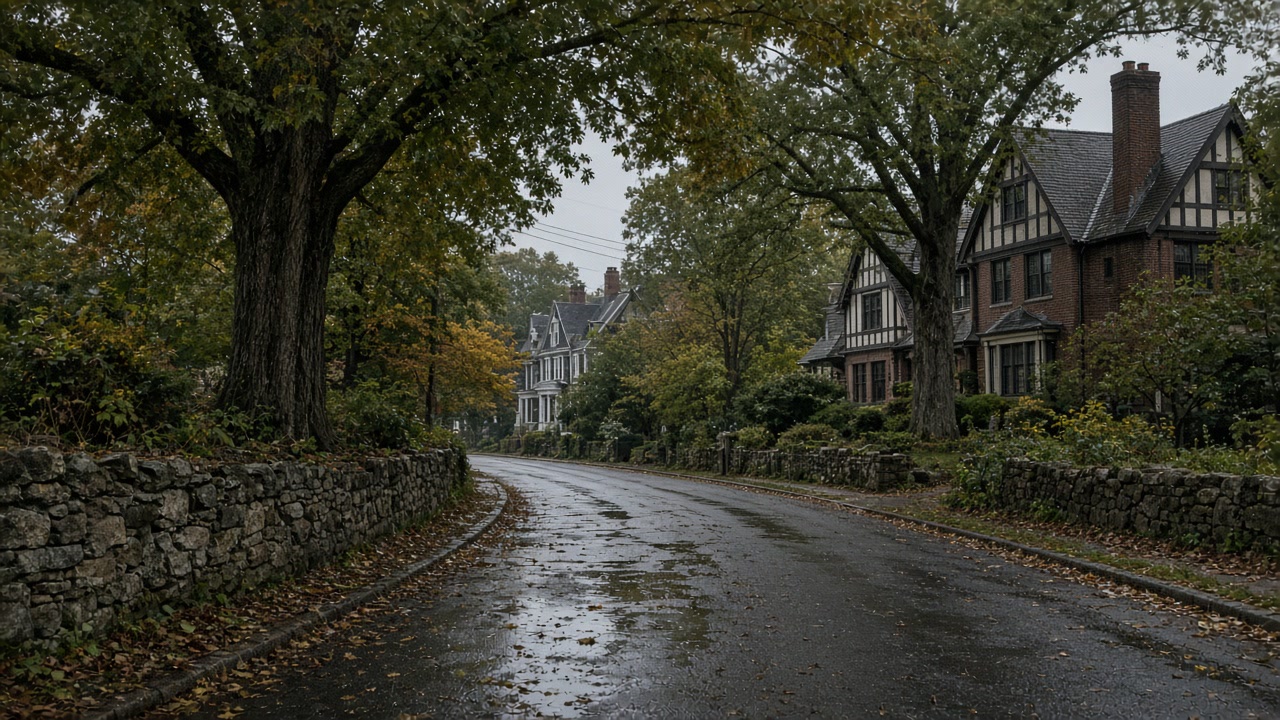
Areas within Harrison: Downtown Harrison, West Harrison, Purchase
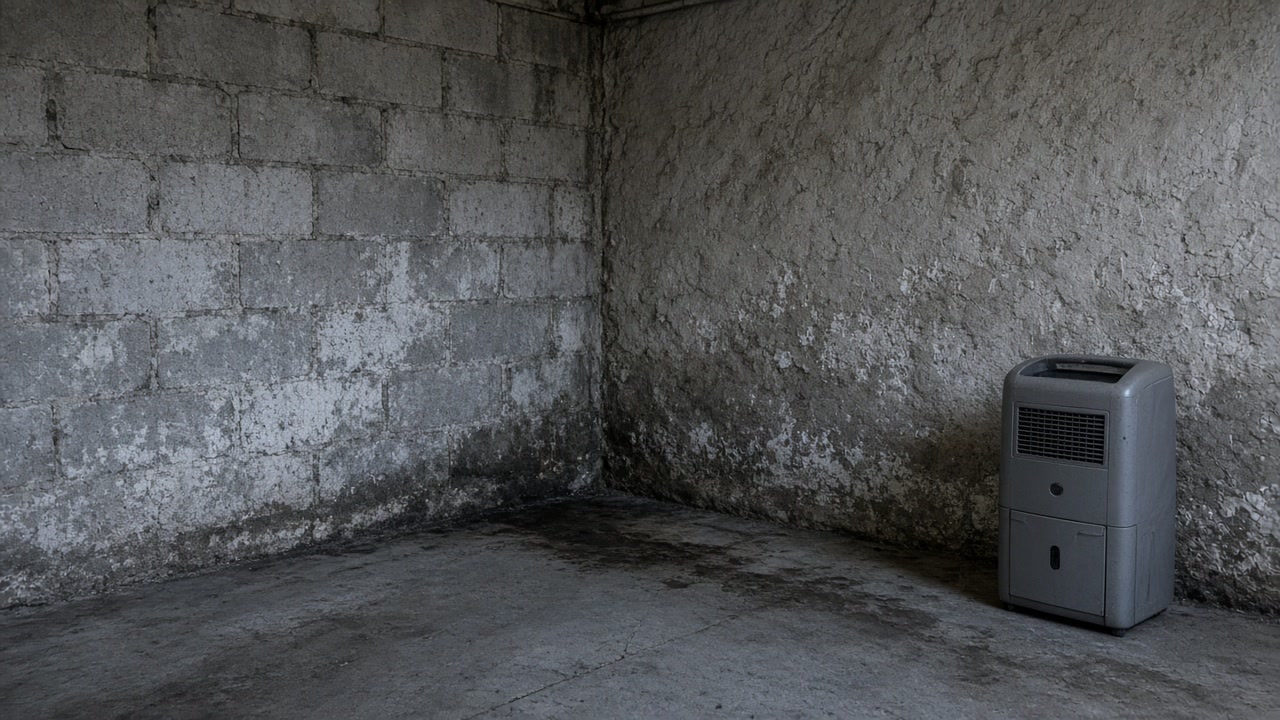
Up through the drain, or in through the wall?
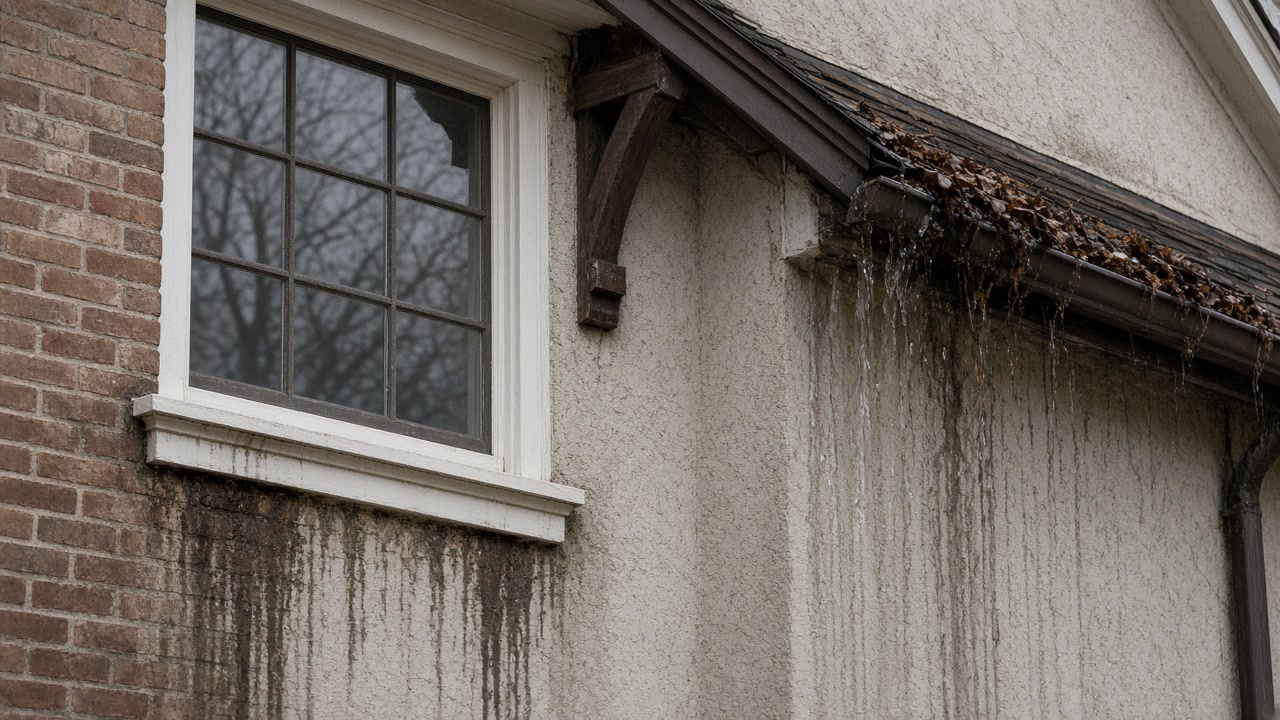
Say which way the water arrived. The Town describes its own piping and drainage as outdated, and water that came up is a different category of work from water that came in, with different rules about what can be saved.
What we arrange across Harrison's three sections
Mold Inspection and Moisture Diagnosis
Find out in writing what is bringing water into your Scarsdale lower level, whether the cause is a fault in your building or a drainage condition outside it, and whether there is a mold job here at all.
Mold Inspection in Harrison →Mold Removal and Remediation
Get mold out of a finished Scarsdale lower level with a written work plan before anyone cuts, a clear line between what comes out and what stays, and containment that holds until an independent licensee passes the work.
Mold Removal in Harrison →Water Damage Drying and Basement Dry Out
Get water out of a Scarsdale lower level while it is still a drying job, with the source of the water categorized first, because rain and a sanitary backup change what can be saved.
Water Damage Drying in Harrison →Harrison's own answer when the county asked about its maps
Asked in the 2021 county plan whether its flood hazard maps adequately address the flood risk in its jurisdiction, the Town-Village of Harrison answered no: "Current FIRMs do not include some areas. The Town plans to expand flood mapping and establish a Town specific flood map that identifies all flooding sources (riverine, precipitation, urban, over land flooding) and use this improved mapping and data to update the Town/Village code." It also reported that it was finishing a Drainage Manual with a GIS map of problem areas.
Source: Westchester County Department of Planning, 2021 Countywide Hazard Mitigation Plan, Section 9.31 Town-Village of Harrison, accessed 2026-09-22
Harrison's 2021 annex names the areas where repetitive flood damage is recorded: "low lying areas and areas along the waterways", specifically Temple Street, Bradford Street, Congress Street, Ellsworth Avenue, Indian Trail, Shawnee Trail, Pinehurst Drive, Walnut Lane, Crotona Avenue, Glendale Road, Oak Street, Osborne Road, Woodlands Road, Park Avenue, West Street, Batavia Place, Ramapo Trail, Post Place, Condit Street, Crystal Street and Genesee Trail. It also records flooding on Brentwood Brook near two schools, a pond near Harrison Elementary School that floods and affects nearby homes, and states that "The Town/Village piping, sewage, and plumbing drainage systems are outdated and inefficient", with drainage upgrades needed for nuisance flooding in Downtown Harrison, Purchase and West Harrison.
Source: Westchester County Department of Planning, 2021 Countywide Hazard Mitigation Plan, Section 9.31 Town-Village of Harrison, accessed 2026-09-22
The 2021 county plan reports FEMA data current to July 2021 for the Town-Village of Harrison: 321 flood insurance policies in force, 949 paid claims, $5,882,727.30 in total loss payments and 94 Repetitive Loss properties. Harrison is a Community Rating System Class 7 community as of May 1, 2020, which FEMA rates at a 15 percent premium discount. No other town on this site holds a Community Rating System class below 8, which FEMA rates at 10 percent. Its flood damage prevention ordinance is Chapter 146 of the Town Code, last amended in 2007.
Source: Westchester County Department of Planning, 2021 Countywide Hazard Mitigation Plan, Section 9.31 Town-Village of Harrison, accessed 2026-09-22
Harrison is a coterminous town-village of three sections, West Harrison in the northeast, Purchase in the northwest and Harrison in the south, with an estimated 2019 population of 28,135. In the 2019-2023 American Community Survey it has 9,283 housing units with a median year built of 1963, only 21.8 percent built in 1939 or earlier, and 62.0 percent of its 8,789 occupied units owner occupied.
Source: U.S. Census Bureau, American Community Survey 2019-2023 5-Year Estimates, Tables DP04 and B25035, accessed 2026-09-22
Send the Harrison details and we will settle the category first
Category, then scope, then who is needed. A person reads every request and nothing you send here commits you to anything.