Basement Dry Out in Rye, Where the Tide Decides How Long It Sits
Tell us roughly when the water arrived and how long it stayed, because in Rye the timing says more about the damage than the depth does.
Water Damage Drying quote in Rye
Tell us what you can see or smell, where in the house it is, and whether water has been in that space before. That last answer is the one that changes our advice most, because a space that has taken water more than once is asking a different question from a space that took it once.
$100 off your first job
Credited by us on your first booked job.
- One credit per customer per property, on your first booked job.
- Valid through December 31, 2026.
Mention this offer when you book. Full terms.
Why a Rye dry out is measured in hours, not inches
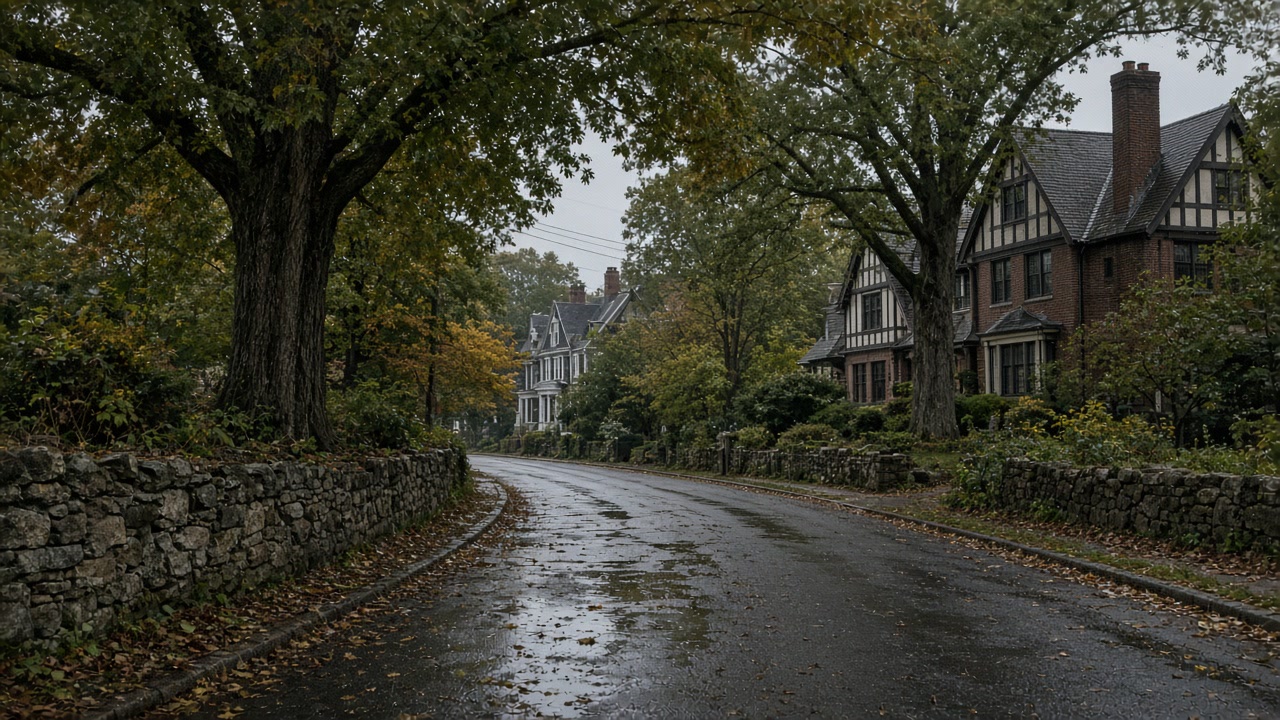
A storm arriving on a rising tide behaves differently in Rye from the same rain on a falling one, and the difference shows up in how long a lower level stays wet. The state's Resilient NY study of the Blind Brook watershed names the tidal region and downtown Rye among six high risk areas, and attributes flooding to short duration high intensity storms, long duration tropical events, and undersized road crossings and narrow hardened channels that restrict flow during high water events. Water that cannot leave is water sitting in the materials, and hours standing is the single biggest control on what gets dried rather than removed.
What water damage drying involves in Rye
The two details to record before anyone reaches the Rye basement
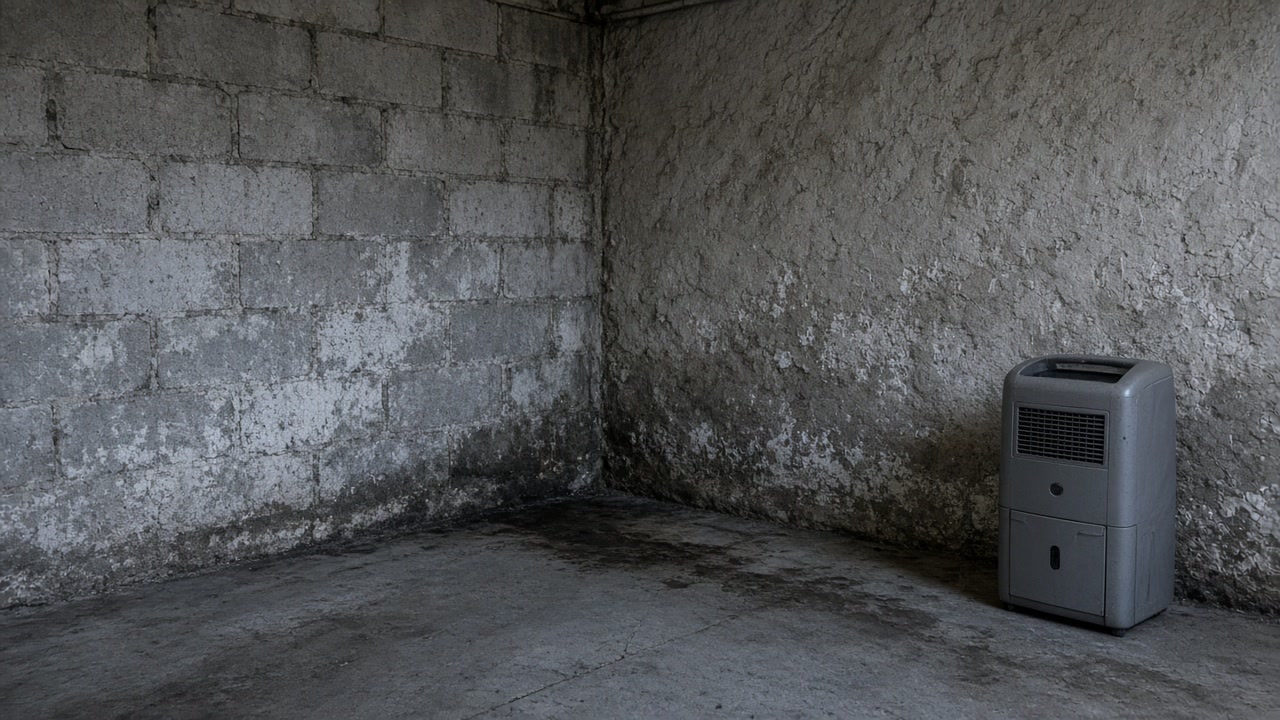
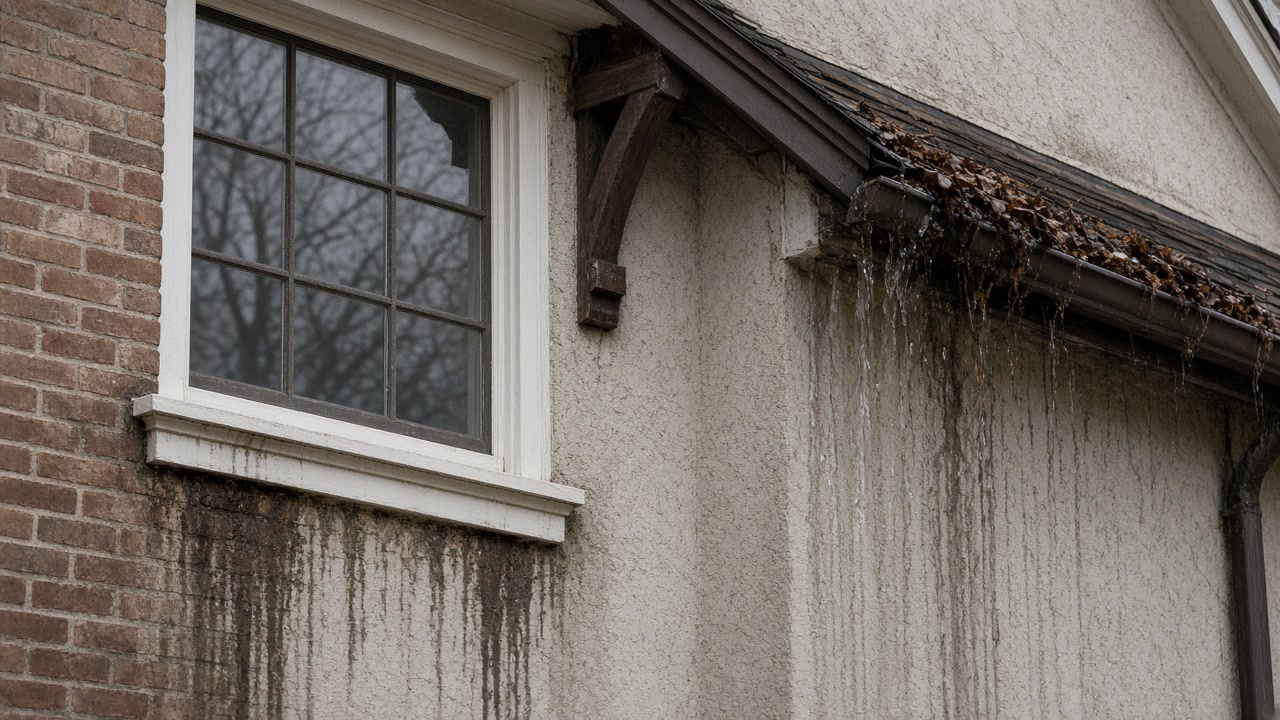
Two details are worth writing down before anyone arrives. How many hours the water stood, because the EPA's 24 to 48 hour window is the line between drying materials and replacing them. And what the water smelled like, because water off a tidal reach is not rain off a roof and it changes what porous material is worth keeping. Then set expectations with the record: Rye has paid more in flood claims than any other town on this site, about $40.5 million across 1,891 paid claims as of July 2021, so this is not a city where an event can be treated as unrepeatable. Reinstate a room that can be dried out again without a demolition.
When it arrived, measured against the tide
The state names the Blind Brook tidal region and downtown Rye among six high risk areas and blames undersized crossings and hardened channels restricting flow during high water. Water that cannot leave stays in the materials.
How many hours it stood
Dried within 24 to 48 hours, in most cases mold will not grow. That window is about the materials, so a floor that looks clear by evening has not answered the question.
What neighbors reported coming out of the drains
County survey responses describe the storm sewer along Milton Road near the marina overflowing so that water comes up and out of the drains during storms. Resident reports, not City findings, but a mechanism worth ruling out.
Blind Brook's tidal reach, and six high risk areas
The Department of Environmental Conservation's Resilient NY study of the Blind Brook watershed identifies six high risk areas including the Blind Brook tidal region and City of Rye downtown, and attributes flooding to short-duration high-intensity storms, long-duration tropical events, and "Undersized road crossings and narrow, hardened channels that restrict flow during high-water events". The report makes 25 recommendations, including replacing undersized bridges at Oakland Beach Avenue, Playland Parkway, Boston Post Road, Central Avenue, Locust Avenue, Highland Avenue and Western Avenue.
Source: New York State Department of Environmental Conservation, Resilient NY Blind Brook fact sheet, accessed 2026-09-22
Rye residents responding to the Westchester County hazard mitigation citizen survey reported, of the area between Forest and Roosevelt Avenue bordered by Beck and Sanford: "Many of us whom never had water before have flooded three times, Elsa, Henri and Ida." Other responses describe the storm sewer along Milton Road near the marina overflowing so that "Water comes up and out of the drains during storms", and state that the sewage treatment plant at Disbrow Park "is often over maximum capacity because of increasingly frequent rain events".
Source: Westchester County Department of Planning, 2021 Countywide Hazard Mitigation Plan, Section 9.5 City of Rye, accessed 2026-09-22
The 2021 county plan reports FEMA data current to July 2021 for the City of Rye: 664 flood insurance policies in force, 1,891 paid claims, $40,459,618 in total loss payments and 227 Repetitive Loss properties. That is the largest total loss payment figure of the eight towns on this site. Rye does not participate in the Community Rating System, so no community discount applies to its premiums, and its flood damage prevention ordinance is Rye City Code Chapter 100, last amended in 2007.
Source: Westchester County Department of Planning, 2021 Countywide Hazard Mitigation Plan, Section 9.5 City of Rye, accessed 2026-09-22
The EPA states: "It is important to dry water-damaged areas and items within 24-48 hours to prevent mold growth", and "If wet or damp materials or areas are dried 24-48 hours after a leak or spill happens, in most cases mold will not grow." Its mold course adds that buildings and furnishings "must be dried or 'allowed to dry' quickly (within 24-48 hours) in order to avoid mold growth".
Source: United States Environmental Protection Agency, A Brief Guide to Mold, Moisture and Your Home, accessed 2026-09-22
The EPA states: "If the water and/or mold damage was caused by sewage or other contaminated water, then call in a professional who has experience cleaning and fixing buildings damaged by contaminated water." It separately advises that where the moldy area is more than about 10 square feet, homeowners should consult its guidance for larger remediation.
Source: United States Environmental Protection Agency, A Brief Guide to Mold, Moisture and Your Home, accessed 2026-09-22
What time did it arrive, and when did it go?
Those two timestamps tell us more about the Rye job than the depth does. Send them with a photograph.
What comes next in a Rye lower level
Rye questions with water still standing
The water came up out of the storm drain rather than in through a wall. What now?
Treat it as potentially contaminated until something says otherwise. Residents told the county survey that the storm sewer along Milton Road near the marina overflows so water comes up and out of the drains during storms, and that the sewage treatment plant at Disbrow Park is often over maximum capacity because of increasingly frequent rain events. Those are survey responses rather than City engineering, but the EPA's advice where contaminated water may be involved is to bring in someone experienced with that specific problem instead of drying it and hoping.
How fast does this have to happen in practice?
Inside a day if you can manage it. The EPA states that drying water damaged areas and items within 24 to 48 hours prevents mold growth in most cases. What makes Rye harder than that sounds is the tide: on the Blind Brook tidal reach, water arriving when the outlet is high has nowhere to go, so the hours start accumulating before anything can be pumped. Getting air moving early is worth more than any single piece of equipment brought later.
Send the Rye timings and what the water smelled like
Fresh water and tidal water lead to different plans for the same room. The description is enough to tell them apart.