Mold Inspection, Removal and Basement Dry Out in Scarsdale
Begin with the one that has a clock on it. Material that is still wet can often be dried where it stands, and the EPA puts that window at 24 to 48 hours, after which the same water stops being a drying job and becomes a removal. Once nothing is wet, what is worth buying is the written finding: which rooms and materials are affected, how much of that is porous, and where the water is arriving from. New York keeps that finding in different hands from the removal, so the person who tells you the work is done is not the person you paid to do it.
What we arrange
Mold Inspection and Moisture Diagnosis
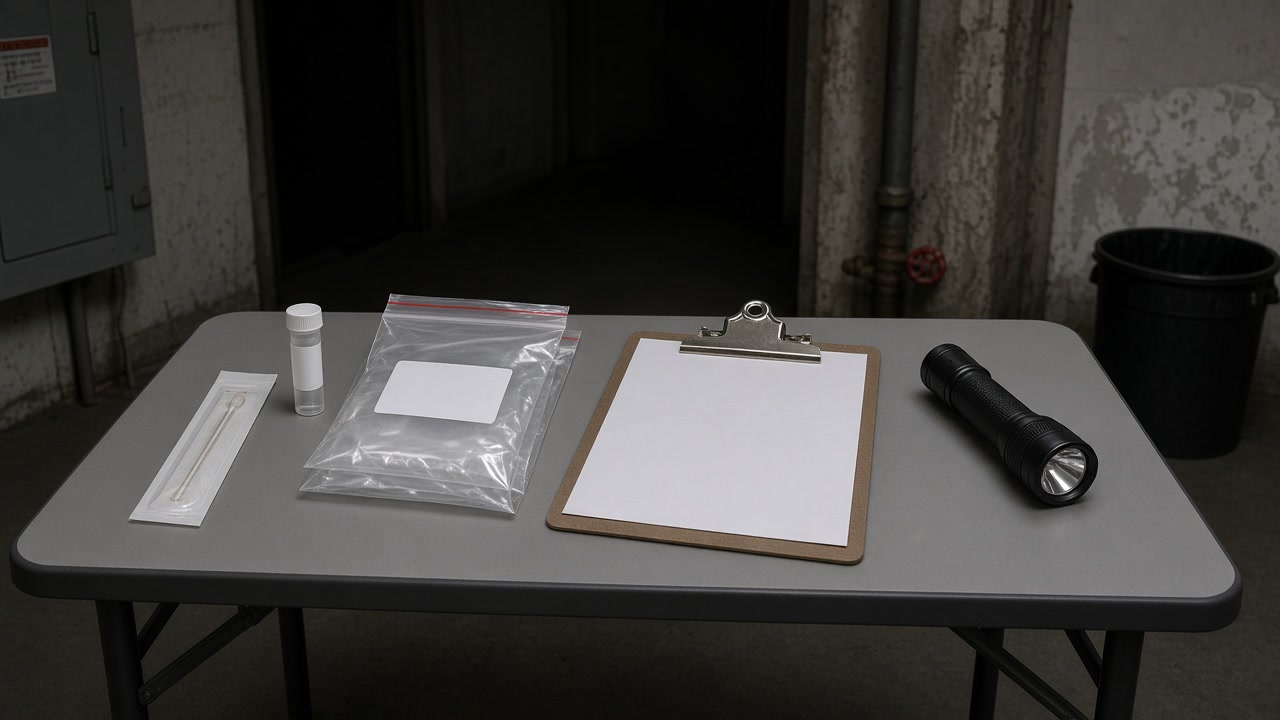
What you buy is an answer in writing: which rooms and materials are wet, how much of the affected material is porous, where the water is arriving from, and what stopping it would involve, with dated photographs and moisture readings behind every line. The direction of the water is the expensive thing to get wrong, because a Scarsdale basement that takes water usually has one of three answers behind it and they lead to completely different spending. It is a fault in the building, which is yours and is worth fixing. It is a drainage condition outside the building, which is not yours and which changes what is worth putting back inside the room. Or there is no live water problem at all, which is a more common answer than the trade lets on. The drainage study the Village commissioned for the Chesterfield Road and Fox Meadow Road area found the existing infrastructure grossly undersized to convey storms greater than a 1-year storm event, so ruling the outside cause in or out is not an academic exercise in this village. New York makes the same distinction and puts it on the assessor: under Labor Law section 947 a project is not cleared until the assessment licensee determines that the underlying cause of the mold has been remediated so that it is reasonably certain the mold will not return. The party who has to answer that question is, by law, not the party paid to do the removal. Buying the assessment on its own is what keeps the answer worth having.
Read more →Mold Removal and Remediation
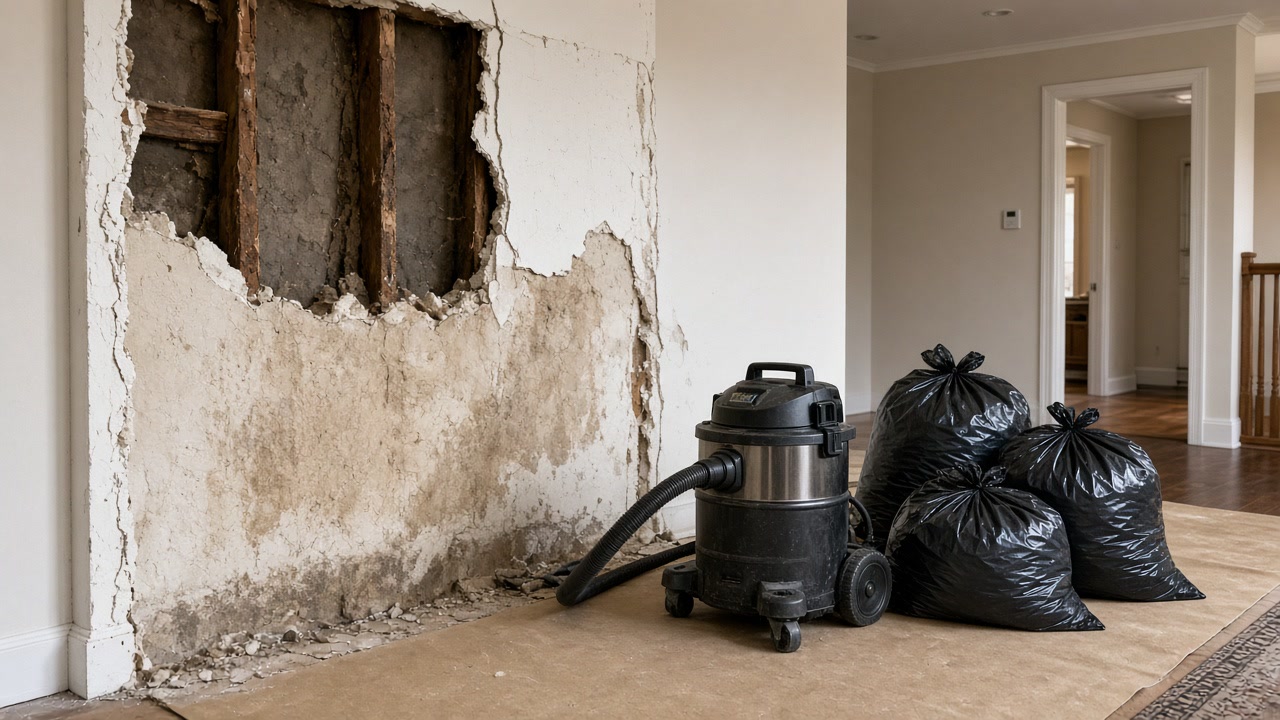
You should know what is leaving the room before anyone opens a wall, and in New York you are entitled to that: Labor Law section 946 requires the remediation licensee to prepare a work plan specific to your project and give it to you before work begins. What fills that plan in Scarsdale is how much of the lower level is porous, not how bad the wall looks. Drywall, carpet and pad, insulation in the stud bays, built-in cabinetry and ceiling tile hold growth inside their own structure, and EPA guidance is blunt that absorbent or porous materials may have to be thrown away because mold fills the spaces in them and can be difficult or impossible to remove completely. Masonry, slab and sound framing are usually cleaned and dried in place. That split is the scope, and it is why a finished basement and an unfinished one two doors away are different contracts for the same stain. The second thing shaping the work here is when the water was found. The Village's drainage study describes two story houses whose first floor of living space sits above the flood limits for lesser storms, so water stays in the roadway, the driveway, the garage and the below grade space and generally does not reach the living areas. Nobody is standing in it when it arrives, the 24 to 48 hour drying window closes unobserved, and a dry out has become a mold project before the owner knows there was water. At the end, the containment does not come down on the removal contractor's say-so. Section 947 puts clearance with a separate assessment licensee, and that licensee has to find that the underlying cause has been remediated so that it is reasonably certain the mold will not return.
Read more →Water Damage Drying and Basement Dry Out
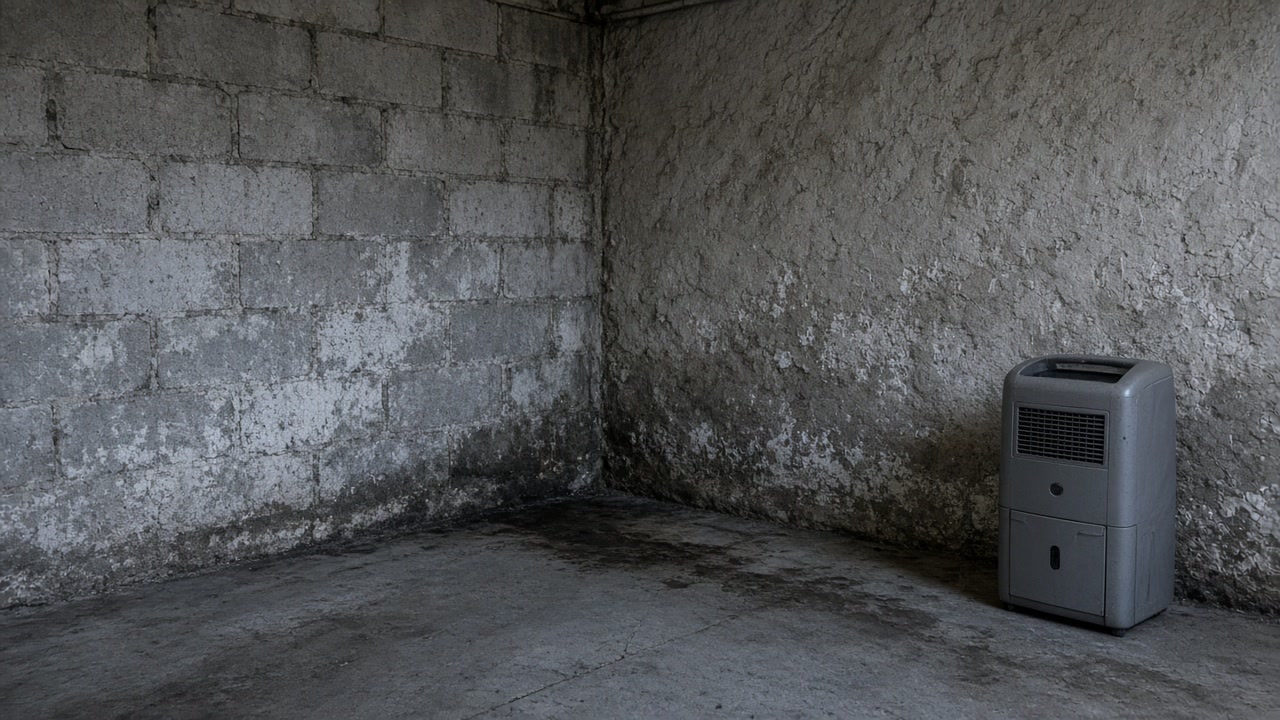
The whole value of a dry out is in how quickly it starts and how honestly the water is categorized. EPA guidance is that water damaged areas and items dried within 24 to 48 hours will in most cases not grow mold, and that is the entire difference between extraction and fans on one hand and a licensed mold project with containment, a work plan and a clearance on the other. Two things decide whether that window is still open in Scarsdale. The first is discovery. The Village's drainage study describes houses whose first floor of living space sits above the flood limits for lesser storms, so the water stays in the roadway, the driveway, the garage and the below grade space rather than reaching the floor people stand on, and it is often found days later by smell. The second is where the water came from. The Village Engineering Department's survey of the inundation area found basement and garage flooding common and sanitary sewer surcharges for some, and EPA guidance is direct that damage caused by sewage or other contaminated water needs someone experienced with contaminated water rather than an ordinary dry out. Those are two jobs with different rules about what can be kept, and they arrive through the same floor. One more thing is worth knowing before you book anybody. Drying is not a licensed activity under New York's mold law, which means nobody performing it has any statutory duty to work out what let the water in. In an area whose commissioned drainage study calls the existing infrastructure grossly undersized for storms greater than a 1-year event, that is the difference between buying this once and buying it every year.
Read more →The equipment these jobs actually arrive with
Not sure which one you need?
Describe the problem and we will point you to the right work.
Request a Quote
Tell us what you can see or smell, where in the house it is, and whether water has been in that space before. That last answer is the one that changes our advice most, because a space that has taken water more than once is asking a different question from a space that took it once.
$100 off your first job
Credited by us on your first booked job.
- One credit per customer per property, on your first booked job.
- Valid through December 31, 2026.
Mention this offer when you book. Full terms.
Tell us what you are seeing
Tell us what you are dealing with and we will take it from there.