Westchester County
Mold Removal in Hartsdale, Where Greenburgh Makes the Drainage Decisions
Tell us what is happening in the lower level and we will tell you whether it needs an assessment, a removal, a drying job or nothing at all. Hartsdale is an unincorporated hamlet with no government of its own, so the permit, the floodplain determination and the record of what the storm system is doing all sit with the Town of Greenburgh, and knowing that on day one is the difference between a job that starts and a job that waits a week.
Request a quote in Hartsdale
Tell us what you can see or smell, where in the house it is, and whether water has been in that space before. That last answer is the one that changes our advice most, because a space that has taken water more than once is asking a different question from a space that took it once.
$100 off your first job
Credited by us on your first booked job.
- One credit per customer per property, on your first booked job.
- Valid through December 31, 2026.
Mention this offer when you book. Full terms.
No Hartsdale building department, so your first call changes
There is no Hartsdale building department. Permits, floodplain determinations and drainage complaints for a Hartsdale address go to the Town of Greenburgh, where floodplain management for the unincorporated area sits with the Bureau of Engineering under Chapter 220 of the Town Code. Two Hartsdale items sit in the Town's own hazard plan and both are worth reading before you rebuild anything below grade: the plan records flooding on the East Hartsdale Avenue corridor from a tributary causing basement and ground floor damage, with a stormwater analysis of that corridor under way, and it describes the stormwater system at West Hartsdale Road as degraded and short of the capacity it needs. Neither is a statement about any particular house, and neither is finished work, so the timetable for improvement is set by a Town budget rather than by you. The housing here is postwar rather than prewar, a median year built of 1956 with roughly nine homes in ten built before 1980, which usually means block foundations and original waterproofing and sump arrangements unless somebody has changed them. One cost consequence of the same dependency: Greenburgh does not take part in the Community Rating System, so unlike Scarsdale, Harrison or the Village of Mamaroneck there is no community discount softening a flood premium at a Hartsdale address.
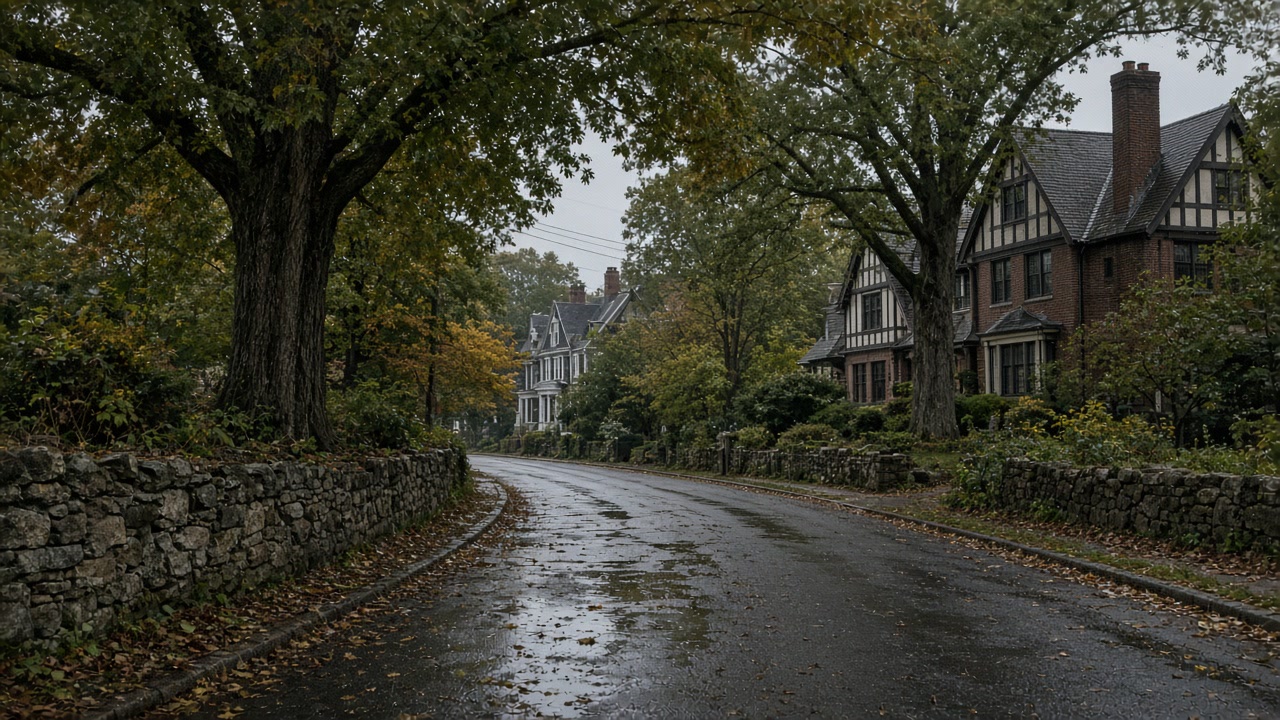
How close is the lower level to the brook?
Send the street and say what arrived, water or only a smell. We will tell you what is worth asking the Town for and what is worth doing inside the house first.
What we arrange for a postwar Hartsdale lower level
Mold Inspection and Moisture Diagnosis
Find out in writing what is bringing water into your Scarsdale lower level, whether the cause is a fault in your building or a drainage condition outside it, and whether there is a mold job here at all.
Mold Inspection in Hartsdale →Mold Removal and Remediation
Get mold out of a finished Scarsdale lower level with a written work plan before anyone cuts, a clear line between what comes out and what stays, and containment that holds until an independent licensee passes the work.
Mold Removal in Hartsdale →Water Damage Drying and Basement Dry Out
Get water out of a Scarsdale lower level while it is still a drying job, with the source of the water categorized first, because rain and a sanitary backup change what can be saved.
Water Damage Drying in Hartsdale →What Greenburgh's hazard plan records about Hartsdale
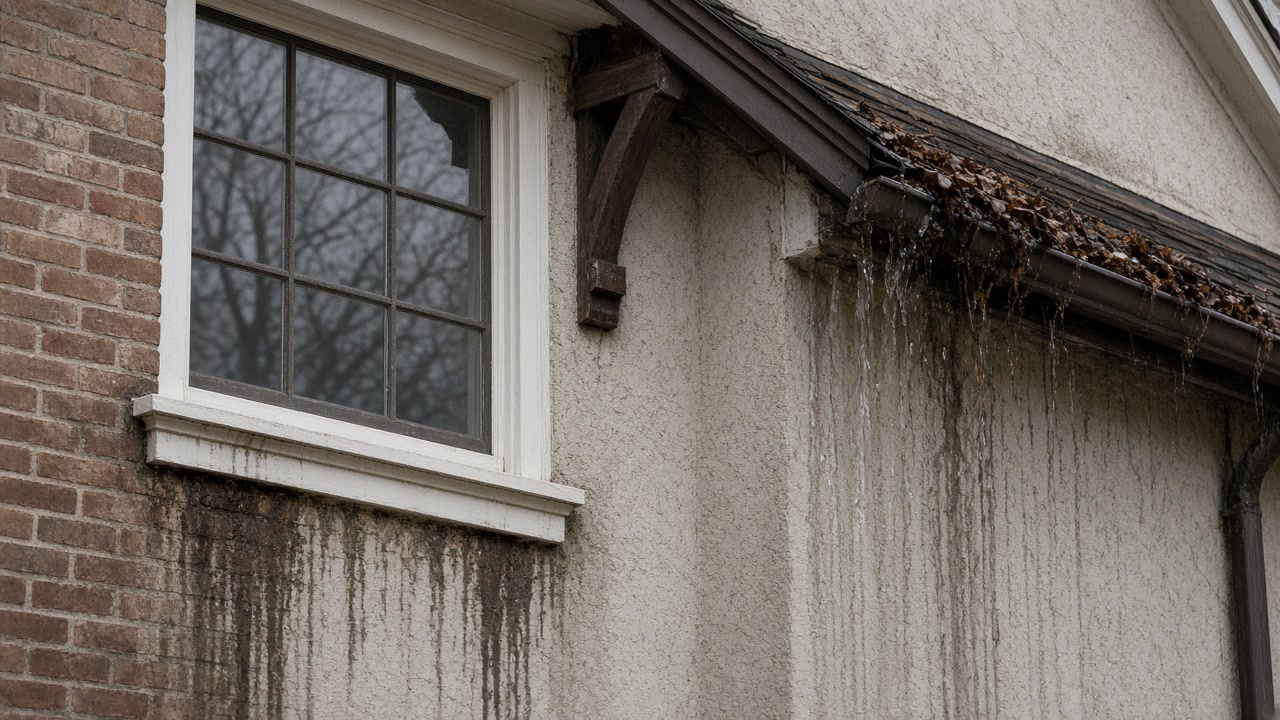
Hartsdale is an unincorporated hamlet within the Town of Greenburgh and has no village government of its own. The Town of Greenburgh covers 31 square miles between the Hudson River and the Bronx River and contains six incorporated villages plus the unincorporated area; that unincorporated area, about 18 square miles, is the part covered by the Town's own hazard mitigation annex. Floodplain management for it sits with the Town's Bureau of Engineering, and the flood damage prevention ordinance is Chapter 220 of the Town Code, dated 2007.
Source: Westchester County Department of Planning, 2021 Countywide Hazard Mitigation Plan, Section 9.11 Town of Greenburgh, accessed 2026-09-22
The Town of Greenburgh's 2021 hazard mitigation annex identifies two Hartsdale-specific drainage problems. It records that "Flooding occurs on East Hartsdale Avenue from a tributary resulting in basement and ground floor damages to businesses", with a stormwater infrastructure analysis of that corridor underway, and that "The stormwater system at West Hartsdale Road is degraded and lacks the necessary capacity to handle stormwater", proposing headwall replacement, increased channel capacity and slope stabilization. It also carries forward a Hartsdale Brook flood control project near East Hartsdale Avenue whose original engineering report dates from September 2008.
Source: Westchester County Department of Planning, 2021 Countywide Hazard Mitigation Plan, Section 9.11 Town of Greenburgh, accessed 2026-09-22
In the 2019-2023 American Community Survey, Hartsdale CDP has 1,445 housing units with a median year built of 1956. Only 25.1 percent were built in 1939 or earlier, but about 92 percent were built before 1980, the highest pre-1980 share of the eight towns on this site. Of 1,360 occupied units, 86.3 percent are owner occupied.
Source: U.S. Census Bureau, American Community Survey 2019-2023 5-Year Estimates, Tables DP04 and B25035, accessed 2026-09-22
The 2021 county plan reports FEMA data current to July 2021 for the Town of Greenburgh: 224 flood insurance policies in force, 420 paid claims, $4,998,461.57 in total loss payments and 46 Repetitive Loss properties. The Town does not participate in the FEMA Community Rating System, so no community discount is applied to its flood insurance premiums, and it names the Saw Mill River and Bronx River watersheds as its major flood-prone areas.
Source: Westchester County Department of Planning, 2021 Countywide Hazard Mitigation Plan, Section 9.11 Town of Greenburgh, accessed 2026-09-22
Send the details and we will point you at the right Town office
Part of the answer in Hartsdale is usually which Greenburgh department holds the record you need. A person reads every request, and nothing you send commits you to anything.