Mold Removal in White Plains: 26,357 Homes, Two Different Jobs
The scope of a White Plains removal depends on which half of the city's housing you are in, and on who is entitled to say yes.
Mold Removal quote in White Plains
Tell us what you can see or smell, where in the house it is, and whether water has been in that space before. That last answer is the one that changes our advice most, because a space that has taken water more than once is asking a different question from a space that took it once.
$100 off your first job
Credited by us on your first booked job.
- One credit per customer per property, on your first booked job.
- Valid through December 31, 2026.
Mention this offer when you book. Full terms.
A 1960 median across 26,357 White Plains homes

In the 2019-2023 American Community Survey, White Plains has 26,357 housing units with a median year built of 1960, 30.4 percent built in 1939 or earlier and about 71 percent before 1980. Of 24,364 occupied units, 52.4 percent are owner occupied and 47.6 percent are rented, the most evenly split tenure of the eight towns on this site. The City is the Westchester county seat, covers 9.9 square miles and had an estimated 2019 population of 58,137.
Source: U.S. Census Bureau, American Community Survey 2019-2023 5-Year Estimates, Tables DP04 and B25035, accessed 2026-09-22
New York Labor Law section 930 defines mold remediation as the business of removal, cleaning, sanitizing or surface disinfection of mold, mold containment and waste handling, and that definition does not extend to remediation of the underlying sources of moisture. A "project" under Article 32 means mold remediation, assessment or abatement of areas greater than ten square feet undertaken for the purpose of mold remediation or abatement, and excludes routine cleaning and construction, maintenance, repair or demolition undertaken for other purposes.
Source: New York State Senate, Labor Law section 930, accessed 2026-09-22
New York Labor Law section 946 requires a mold remediation licensee to prepare a remediation work plan specific to each project and give it to the client before work begins, to provide required personal protective equipment, to display signs indicating remediation is in progress, and to leave containment in place until clearance is obtained from an assessment licensee. Section 935 requires the assessment licensee to prepare a work analysis and give it to the client before remediation begins, and requires the remediation licensee to keep a copy of the work plan on site.
Source: New York State Senate, Labor Law section 946, accessed 2026-09-22
New York Labor Law section 947 requires a post-remediation assessment for a project to achieve clearance, and requires the assessment licensee to determine, among other things, that "the underlying cause of the mold has been remediated so that it is reasonably certain that the mold will not return". The licensee issues a written passed clearance report, or, if the work is unsuccessful, a written final status report to the client and to the remediation licensee.
Source: New York State Senate, Labor Law section 947, accessed 2026-09-22
Two kinds of White Plains building, two kinds of removal
White Plains is two removal jobs wearing one city name. There are 26,357 housing units here with a median year built of 1960, 30.4 percent finished in 1939 or earlier and about 71 percent before 1980, so a prewar single family basement and a postwar apartment building lower level sit inside the same municipality and need entirely different scopes. The first is usually a porous finish over an old foundation. The second brings shared walls, shared risers and someone else's approval into the conversation before anyone cuts anything.
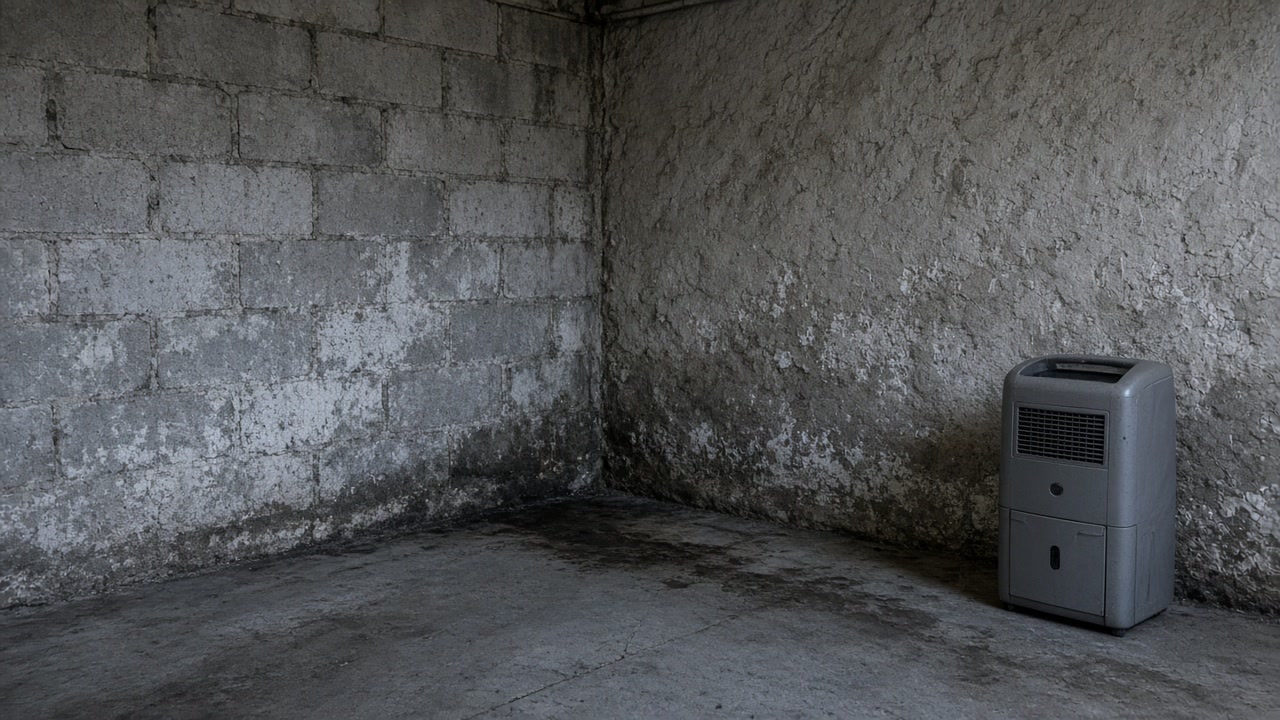
Authority and scope, settled before the first cut in White Plains
Two questions decide a White Plains removal before anyone prices anything. The first is authority. 47.6 percent of the City's 24,364 occupied homes are rented, the most evenly split tenure of the eight towns here, so across much of the stock the person who notices the damp is not the person entitled to commission work on the structure. Settle that in writing first. The second is what leaves the room, and New York draws that line by definition rather than by preference: section 930 defines remediation as removal, cleaning, sanitizing, containment and waste handling, and does not extend it to the underlying source of the moisture. Whoever stops the water is a separate scope and often a separate trade, and a proposal that does not say so is incomplete.
Who is entitled to commission work on the structure
52.4 percent of occupied homes here are owner occupied and 47.6 percent are rented, the most even split of the eight towns on this site. In a multi-unit building the structure is rarely one occupant's to open.
Which era of White Plains building you are in
30.4 percent of the stock was finished in 1939 or earlier and about 71 percent before 1980. Prewar masonry and postwar concrete frame fail differently and are opened up differently.
What the removal contract legally stops at
Section 930 defines mold remediation as removal, cleaning, sanitizing, containment and waste handling. The moisture source is outside that definition, so it needs naming in the plan as its own line.
House, or apartment building?
The answer changes the scope, the containment and who has to approve it. Say which, and roughly what the area is.
What brackets a White Plains removal
What White Plains owners ask about scope and sign off
Who has to agree before work starts in a multi-unit White Plains building?
Whoever is entitled to open the structure, and in this city that is worth establishing on paper. Nearly half of the occupied homes here are rented, so the occupant is frequently not the party who can commission structural work. New York adds its own reason to be clear about it: the remediation licensee must give the client a written work plan before work begins and must leave containment in place until an assessment licensee grants clearance, which means the identity of the client cannot be left vague.
Does the removal contractor fix the leak as well?
Not under that contract. New York defines mold remediation as removal, cleaning, sanitizing, containment and waste handling, and the definition does not reach the underlying source of the moisture. Then section 947 makes clearance conditional on the assessment licensee determining that the underlying cause has been remediated so that it is reasonably certain the mold will not return. So the repair is not in the removal scope and the job cannot be closed without it, which is why it belongs in the plan from the start.
Send the White Plains details and who owns the structure
Those two things together are usually enough to say what the job is and in what order it has to run.