Basement Dry Out in White Plains, With the Bronx River Reach in Mind
Get the water out first, then find out whether what put it there was your building or a road crossing upstream of it.
Water Damage Drying quote in White Plains
Tell us what you can see or smell, where in the house it is, and whether water has been in that space before. That last answer is the one that changes our advice most, because a space that has taken water more than once is asking a different question from a space that took it once.
$100 off your first job
Credited by us on your first booked job.
- One credit per customer per property, on your first booked job.
- Valid through December 31, 2026.
Mention this offer when you book. Full terms.
Why White Plains water arrives fast and leaves fast
Drying moves fast in White Plains because the rain that fills a lower level here often does too. The state's Resilient NY study of the Bronx River names the stretch between Interstate 287 and the Main Street bridge as one of only five high risk areas in the entire watershed, and attributes the flooding to short duration, high intensity storms and to undersized road crossings that restrict flow, rather than to exceptional rainfall. A constraint in a channel outside your property line arrives suddenly, drains suddenly and will do it again, which is precisely the case where the first day of a dry out decides how much of the room you keep.
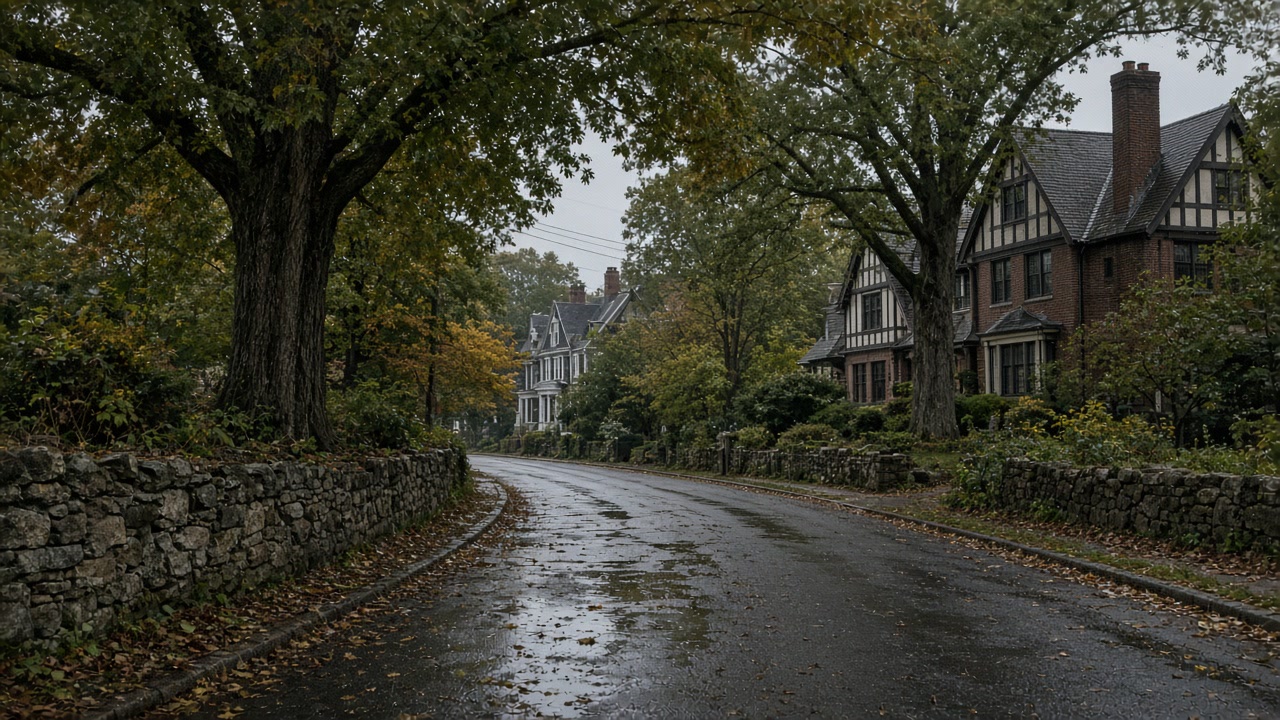
What water damage drying involves in White Plains
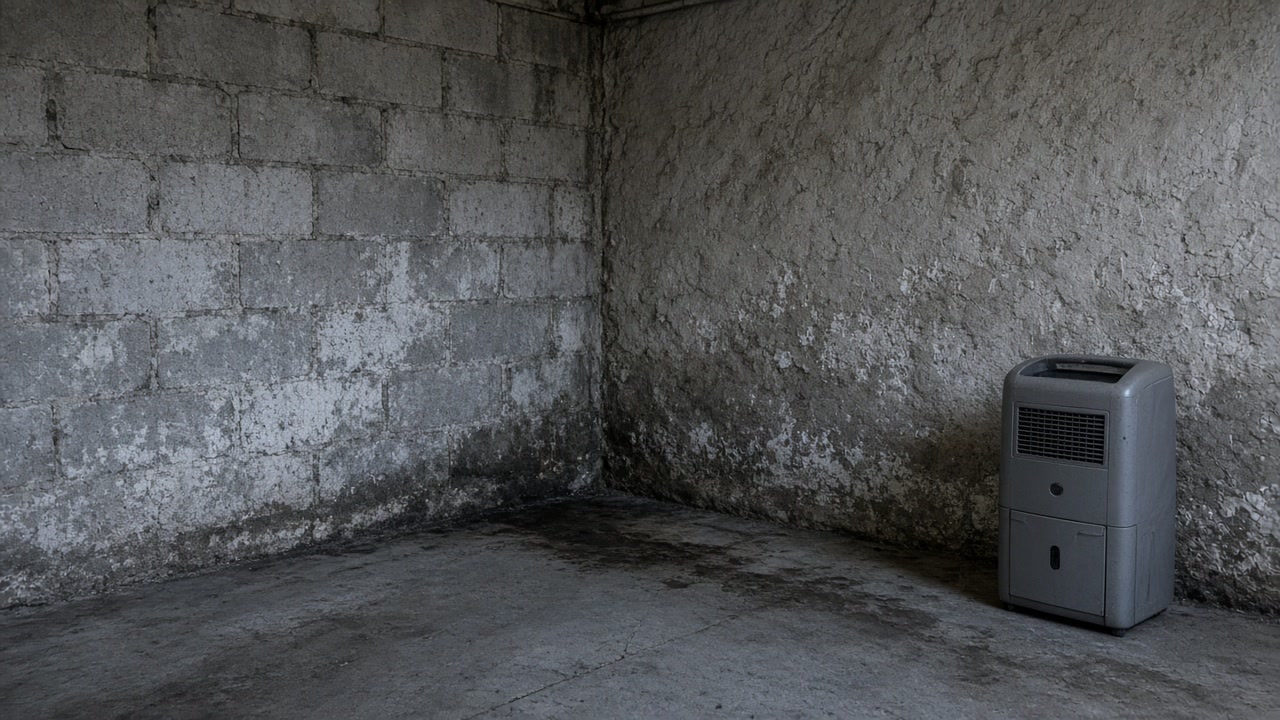
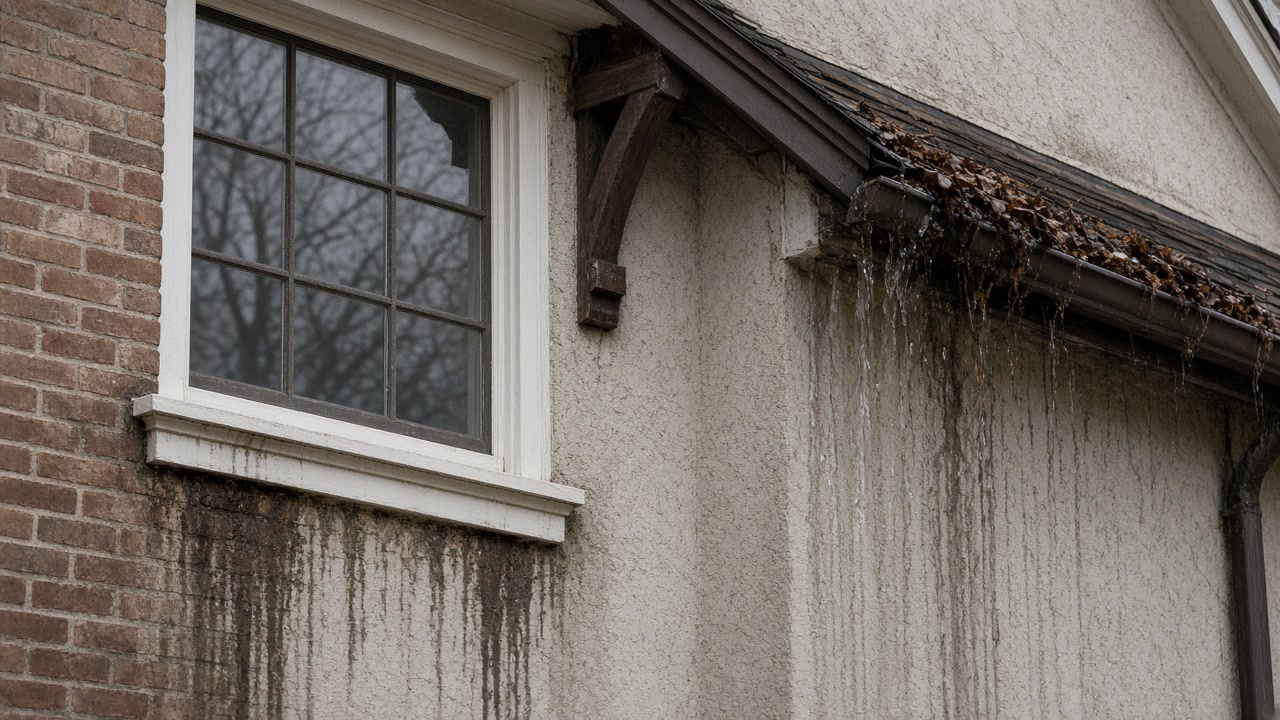
What the first 48 hours decides in a White Plains lower level
Decide what you are protecting in the first 24 to 48 hours, because that is the EPA's window and it is most of the game. Dried inside it, wet materials in most cases do not grow mold. Past it you are choosing between cleaning and replacing. Then decide what goes back. The Resilient NY recommendations for this reach include replacing the bridges carrying Main Street and Central Avenue, at a rough order of magnitude of ten to thirty million dollars per location, which is not a schedule anybody reinstating a basement this year can plan around. In that situation materials that dry and can be lifted are worth more than materials that look permanent, and the City's thin coverage position makes the point sharper.
How long the materials have been holding water
The EPA's rule is 24 to 48 hours. Inside it, in most cases mold will not grow. A fast draining floor tells you nothing about what is still wet behind the baseboard.
Whether the mechanism is upstream of your property
The state names the I-287 to Main Street reach as one of five high risk areas on the Bronx River and blames undersized road crossings restricting flow. Interior work does not change what arrives outside.
Whether coverage will carry any of the cost
125 flood policies in force citywide as of July 2021, and no Community Rating System discount. Assume the decision about what to save is yours and make it deliberately.
Why the I-287 to Main Street reach floods the way it does
The New York State Department of Environmental Conservation's Resilient NY study of the Bronx River watershed identifies five high risk areas, all in Westchester County, one of which is "Greenburgh and White Plains between Interstate 287 and the Main Street bridge". The study attributes flooding to short-duration, high-intensity storms and to long-duration events such as tropical storms, and to undersized road crossings that restrict flow. Its 20 recommendations include replacing the bridges carrying Main Street and Central Avenue, at a rough order of magnitude of $10,000,000 to $30,000,000 per location.
Source: New York State Department of Environmental Conservation, Resilient NY Bronx River fact sheet, accessed 2026-09-22
The 2021 county plan reports FEMA data current to July 2021 for the City of White Plains: 125 flood insurance policies in force, 190 paid claims, $719,358.37 in total loss payments and 37 Repetitive Loss properties. The City does not participate in the Community Rating System, and its own annex lists that as a vulnerability, noting it "does not benefit from the flood protection and resiliency elements of the program or the reduced Flood Insurance rates for its residents". Floodplain management sits with the Department of Public Works, and the flood damage prevention ordinance is Title VII Chapter 7-10 of the White Plains Municipal Code.
Source: Westchester County Department of Planning, 2021 Countywide Hazard Mitigation Plan, Section 9.6 City of White Plains, accessed 2026-09-22
Asked in the 2021 county plan whether it keeps a list of properties damaged by flooding, the City of White Plains answered "The City maintains a list of flood damaged properties", and named its flood-prone areas: low lying areas of Cloverdale Avenue, Smith Avenue near Longview Avenue, a portion of Bloomingdale Road at the exit ramps of I-287, Brockway Place, a low lying area of Haarlem Avenue near Glenn Street, a section of Bronx River Parkway near Main Street bridge, and a low lying area of Central Westchester Parkway. It is the only one of the eight towns on this site that told the county it keeps such a list.
Source: Westchester County Department of Planning, 2021 Countywide Hazard Mitigation Plan, Section 9.6 City of White Plains, accessed 2026-09-22
The EPA states: "It is important to dry water-damaged areas and items within 24-48 hours to prevent mold growth", and "If wet or damp materials or areas are dried 24-48 hours after a leak or spill happens, in most cases mold will not grow." Its mold course adds that buildings and furnishings "must be dried or 'allowed to dry' quickly (within 24-48 hours) in order to avoid mold growth".
Source: United States Environmental Protection Agency, A Brief Guide to Mold, Moisture and Your Home, accessed 2026-09-22
The New York State Department of Labor states that "In most cases, air sampling and mold testing is unnecessary. There are currently no EPA or Federal standards for mold, so any interpretation of sampling results would not be based on any established health or environmental standard." It also states that mold needs water or moisture, typically indoor humidity above 55 percent, an organic food source and a temperature typically between 40F and 99F, and that "Mold can begin to develop and grow on damp surfaces within 24 to 48 hours".
Source: New York State Department of Labor, Mold Frequently Asked Questions, accessed 2026-09-22
How long has it been standing?
Hours matter more than inches here. Send the time it arrived and what the floor and walls are finished with.
After the White Plains water is out
White Plains questions with water still on the floor
The rain stopped and the water has gone. Is there anything left to do?
Probably, because the floor drains long before the materials do. The state's study of this reach attributes the flooding to short duration, high intensity storms, so water that arrives and disappears quickly is the normal pattern here and says nothing about how wet the drywall, pad and insulation still are. The EPA's 24 to 48 hour window applies to the materials, not to the puddle, and the Department of Labor notes that mold can begin to develop on damp surfaces inside the same period.
Is this the City's problem or mine?
Honestly, it is often partly both, and separating them is worth doing before you spend. The state attributes flooding in this reach to undersized road crossings, which sit outside your property line and are not affected by anything you do inside. What that finding cannot tell you is whether your own grading, gutters, lateral or foundation contributed. The City maintains a list of flood damaged properties, which is a useful start, and a survey handles the half the list cannot answer.
Send the White Plains details while it is fresh
Photographs taken before anything is cleared say more later than any description written afterwards.