Mold After a Sewer Backup Is a Different Job
Yes, and it changes almost everything about the scope. The EPA's advice where damage was caused by sewage or other contaminated water is to bring in a professional with experience of buildings damaged by contaminated water, porous materials that might have been dried after clean rain are thrown away instead, and disposal is different. Scarsdale also gives it a specific local cause worth ruling out: stormwater plumbed into a sanitary lateral, which the Village has now listed as an illegal connection by name and checks with a camera when a property sells.
What to establish after water comes up a drain
Say which direction the water came from
YouUp through a floor drain, a shower base or a laundry standpipe is a sanitary surcharge. In through a wall, a window well or under a door is rainwater. The Village's survey of its inundation area found basement and garage flooding common, with sanitary sewer surcharges for some, so both happen here and they are not the same job.
Stop using water in the house
YouEvery fixture upstairs discharges into the same lateral. If the line is blocked or surcharged, running a washing machine adds to what is already on the floor.
Keep people and pets out, and say the word sewage when you call
YouThe EPA's advice where water or mold damage was caused by sewage or other contaminated water is to call in a professional with experience of cleaning and fixing buildings damaged by contaminated water. Naming the category at the start changes who should be on the job and what can be saved.
Find out whether the cause is on your side of the line
A Westchester County licensed plumber, or a New York licensed engineer or architectThe Village's sewer program requires closed circuit television recording of the entire lateral. That camera survey is also the only reliable way to learn whether a recurring backup starts on your property or past it.
Scope the removal around porosity, not around the water line
A mold remediation licensee, working to a written planPorous materials that soaked up contaminated water are not candidates for drying. Section 946 requires a project-specific work plan given to you before work begins and containment left in place until an assessment licensee issues clearance.
Fix the defect before the finishes go back
The plumber or drainage contractorSection 930 leaves the underlying source of moisture outside the definition of remediation, so this is a separate job with a separate bill, and it is the one that decides whether you are doing this again next year.
The first four steps decide the category of the job. Getting the category wrong is how salvageable materials get dried and unsalvageable ones get kept.
How to tell which of the two you actually had
The tell is direction. Water that arrived through a floor drain, a shower base, a laundry standpipe or a toilet came back up the sanitary line. Water that arrived through a wall crack, a window well, under a garage door or around a pipe penetration is stormwater. Owners describe both as the basement flooded and usually do not know it matters. It matters more than anything else in the first conversation. The Village of Scarsdale Engineering Department surveyed its inundation area and found that basement and garage flooding were common for residential properties there, as well as sanitary sewer surcharges for some, so both categories are present within the same few streets in the same storms. Residents in Rye described the same thing to the county in their own words, reporting that the storm sewer along Milton Road near the marina overflows so that water comes up and out of the drains during storms. If you are not sure which you had, photograph where the water was highest and where it was dirtiest before anything is cleaned.
Why the category changes what can be saved
The EPA states that if water or mold damage was caused by sewage or other contaminated water, then you should call in a professional who has experience cleaning and fixing buildings damaged by contaminated water. It separately advises that where the moldy area is more than about 10 square feet, homeowners should work to its guidance for larger remediation. Set that alongside its position on porous materials: absorbent or porous materials such as ceiling tiles and carpet may have to be thrown away if they become moldy, because mold can grow on or fill the empty spaces and crevices of porous materials, so it may be difficult or impossible to remove completely. After clean rainwater, a carpet found quickly is sometimes a drying decision. After a sanitary surcharge it generally is not, and neither is the pad under it, the bottom of the drywall, the insulation in the stud bay or the particle board carcass of a built-in cabinet. The removal line tends to be drawn higher up the wall too, because wicking carries contaminated water above the visible tide mark.
The local cause most worth ruling out is inside your own property line
The Village of Scarsdale's published list of common defects under its sewer program states that sump pump connections to the sanitary sewer must be disconnected and rerouted into a drywell or pumped onto the property away from neighboring properties, and that any connection from a driveway drain, yard drain or roof leader downspout into the sanitary sewer must be cut and rerouted. The handout explains why in its own words: where seasonal groundwater exists, coupled with poor foundation drainage or failed or failing waterproofing, sump pumps connected to sewers are sources of inflow, and where high ground water tables exist, defective sewer pipes are main contributors for infiltration, with offset joints, cracked pipe, significant sag, collapsed sections and root intrusion named as the defects and cured-in-place lining or grout sealing as the repairs. Read that as a mechanism rather than a code citation. If rainwater from your roof and driveway is being posted into the same pipe that carries sewage away, then heavy rain fills the pipe, and the lowest opening in the system is the drain in your basement floor. In a village where 48.4 percent of housing predates 1940, connections like that were made long before anyone thought about it.
The camera survey the Village requires, and who is allowed to do it
Local Law 5 of 2023 created Article II of Chapter 244 of the Village Code, covering illegal discharges, activities and connections to the sanitary sewer system, with enforcement from October 1, 2023. A Discharge Compliance Certificate is required upon the sale of any property within the Village, and prior to any building permit for residential work valued over $100,000. The inspection has to be performed by a Westchester County licensed plumber, or a professional engineer or architect licensed in New York State, and must include closed circuit television video recording of the entire sewer lateral, plus an affidavit that the lateral has been tested and any illegal connections or defects eliminated, repaired, replaced or rehabilitated. The presence and discharge location of any sump pumps must be reported, and the certificate runs for five years. To be unambiguous about the line: that inspection is plumbing and engineering work, a mold firm holds none of those credentials, and no mold or drying work produces that document. What is useful to know is that if you are selling or planning a large basement rebuild, the camera is going down the lateral anyway, so the answer to why the drain backs up is going to exist regardless.
It is not only a Scarsdale problem, and neighboring towns name it too
New Rochelle completed two sewer projects each costing about $5 million aimed at sewer back-ups, one an engineering study to eliminate or reduce stormwater infiltration and rehabilitate the sanitary sewer drainage system at Halcyon Park, Brookdale Avenue and surrounding streets, the other evaluating sewer capacity and sources of infiltration at Valley Road, Whitewood Avenue, Victory Boulevard, Carlisle Road and Lispenard Avenue, with both recorded as complete and their evidence of success given as reduced sewer back-ups. Harrison's own 2021 annex states that the Town and Village piping, sewage and plumbing drainage systems are outdated and inefficient. Those are municipalities describing stormwater getting into sanitary systems as a funded category of work, which is the same mechanism the Scarsdale defect list describes at the scale of a single house. If water comes up rather than in at your address, the question of whether the fault is your lateral or the main is a real question with two possible answers, and the camera is what settles it.
The first day, and what to leave alone
The clock is the same as for any water event: the EPA says to dry water-damaged areas and items within 24 to 48 hours to prevent mold growth, and that materials dried inside that window will in most cases not grow mold. The difference after a sanitary backup is that drying is not the objective for anything porous, so speed buys you less and category discipline buys you more. Stop using water in the house, because every fixture drains into the same line. Keep people and pets out of the space. Photograph everything before anything moves, for your insurer and for whoever scopes the work. Do not run a household vacuum over it and do not start cutting drywall to see how far up it went, because the EPA's own caution is that investigating hidden mold can release spores. And do not paint or caulk over a stain later, which is the other thing the EPA says plainly not to do. Everything else waits for somebody who can tell you which materials are salvageable.
Whether the mold rules even apply to what you are looking at
New York's Article 32 licensing attaches to a mold project, defined as assessment, remediation or abatement of areas greater than ten square feet undertaken for the purpose of mold remediation or abatement, and the Department of Labor is clear that the mere presence of mold does not trigger any obligation to obtain an assessment or perform remediation, with a residential property owner working on their own property listed as its first exemption. A small, recent, promptly cleaned backup in an unfinished corner is not automatically a licensed mold project, and it is not dishonest of anyone to tell you so. But once you do hire somebody, they have to be licensed, and where a finished room took contaminated water the ten square feet is usually passed by the time the drywall comes off. Section 930 also defines remediation without reference to the underlying source of moisture, so the mold contract will not contain the plumbing repair. Budget for both.
The sequence that stops it happening again
Establish the category first, because it decides what can be kept. Get the lateral looked at with a camera by a Westchester County licensed plumber or a New York licensed engineer or architect, since that is what finds an offset joint, a sag, roots or a sump pump connected where it should not be. Fix the defect before anything is rebuilt, not after. Then scope the mold work around porosity and around how long the material stayed wet, with a written work plan in your hand before a wall is opened and containment staying up until an assessment licensee clears it. The reason to keep that order is the Village's own engineering: the studied storm system has less than a 1-year storm capacity and surcharges at multiple locations during a 1-year storm, so the next heavy rain is not a remote event. If you have had water come up a drain, send the details of what happened and when, and the assessment gets arranged first.
Sources used in this guide
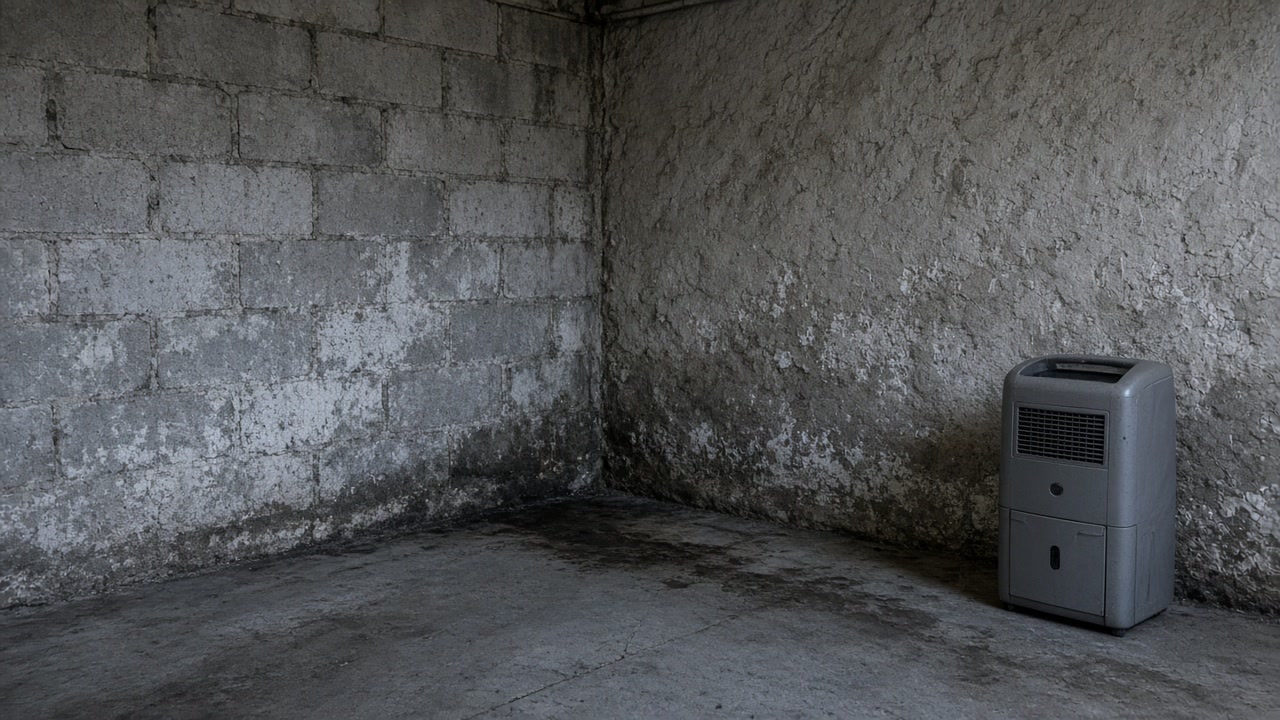
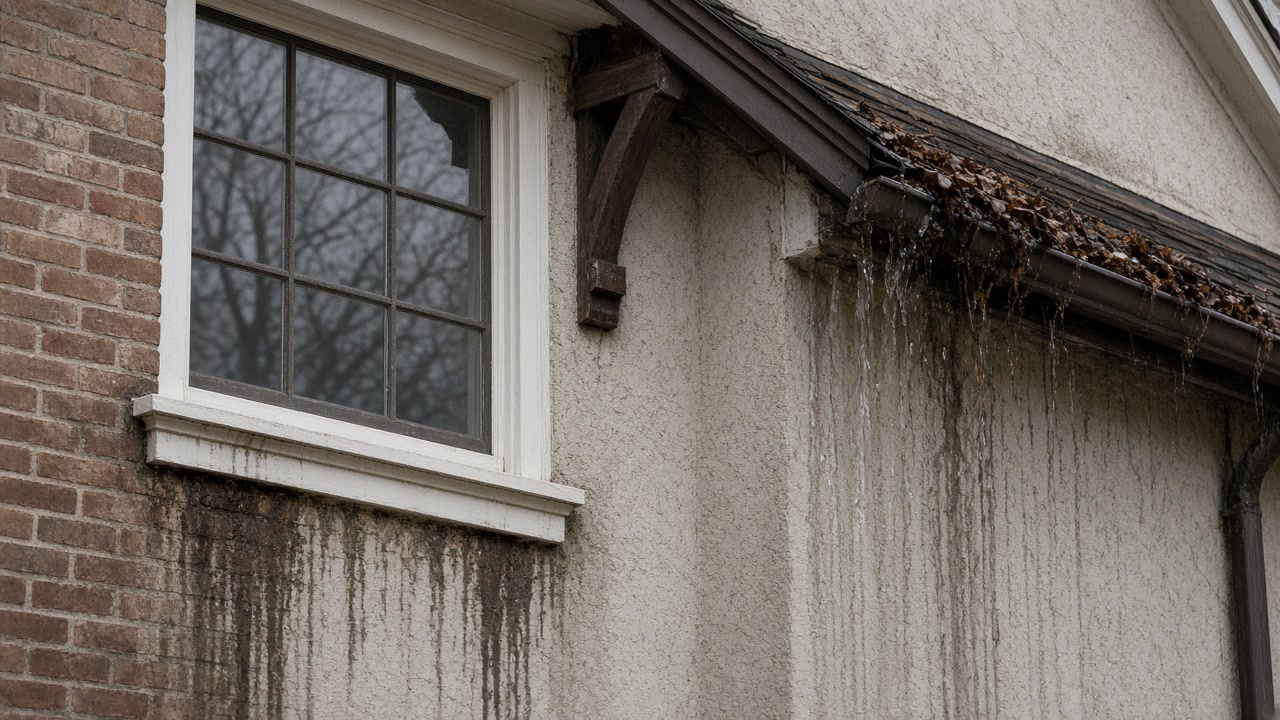
A survey of the inundation area by the Village of Scarsdale Engineering Department found that "basement and garage flooding were common for residential properties in the inundation areas as well as sanitary sewer surcharges for some".
Source: Mott MacDonald for the Village of Scarsdale, Brite Avenue and Fox Meadow Road Drainage Study, Final Watershed Report, DPW Project No. 22-012, accessed 2026-09-22
The EPA states: "If the water and/or mold damage was caused by sewage or other contaminated water, then call in a professional who has experience cleaning and fixing buildings damaged by contaminated water." It separately advises that where the moldy area is more than about 10 square feet, homeowners should consult its guidance for larger remediation.
Source: United States Environmental Protection Agency, A Brief Guide to Mold, Moisture and Your Home, accessed 2026-09-22
The EPA states that "Absorbent or porous materials, such as ceiling tiles and carpet, may have to be thrown away if they become moldy. Mold can grow on or fill in the empty spaces and crevices of porous materials, so the mold may be difficult or impossible to remove completely." It advises "Do not paint or caulk moldy surfaces", and lists the places hidden mold is commonly found, including the back side of drywall, wallpaper or paneling, the underside of carpets and pads, inside walls around leaking or condensing pipes, and wall surfaces behind furniture where condensation forms. It warns that investigating hidden mold can itself release spores, for example when removing wallpaper.
Source: United States Environmental Protection Agency, A Brief Guide to Mold, Moisture and Your Home, accessed 2026-09-22
The EPA states: "It is important to dry water-damaged areas and items within 24-48 hours to prevent mold growth", and "If wet or damp materials or areas are dried 24-48 hours after a leak or spill happens, in most cases mold will not grow." Its mold course adds that buildings and furnishings "must be dried or 'allowed to dry' quickly (within 24-48 hours) in order to avoid mold growth".
Source: United States Environmental Protection Agency, A Brief Guide to Mold, Moisture and Your Home, accessed 2026-09-22
The Village of Scarsdale's published list of common defects under its Discharge Compliance Certificate program states that "Sump pump connections to the sanitary sewer must be disconnected and rerouted into a drywell or pumped onto the property away from neighboring properties", and that any connection from a driveway drain, yard drain or roof leader downspout into the sanitary sewer "must be cut and rerouted". It explains the mechanism: "Where seasonal groundwater exists, coupled with poor foundation drainage or failed/failing foundation waterproofing, sump pumps connected to sewers are sources of inflow", and "Where high ground water tables exist, defective sewer pipes are main contributors for infiltration", listing offset joints, cracked pipe, significant sag, collapsed sections and root intrusion, with cured-in-place lining or grout sealing as repairs.
Source: Village of Scarsdale Building Department, Sanitary Discharge Compliance Certificate Program, List of Common Sewer Defects, accessed 2026-09-22
Local Law 5 of 2023, adopted February 28, 2023, created Article II of Chapter 244 of the Code of the Village of Scarsdale, Illegal Discharges, Activities and Connections to the Sanitary Sewer System. Enforcement began October 1, 2023. A Discharge Compliance Certificate is required "Upon the sale of any property within the Village" and "Prior to the issuance of any building permit for residential work with a value of over $100,000". Existing common interest developments had to secure one by April 1, 2024.
Source: Village of Scarsdale Building Department, Sanitary Discharge Compliance Certificate Program, accessed 2026-09-22
The Village's program handout states the inspection is "Required to be performed by a Westchester County Licensed Plumber or Professional Engineer or Architect licensed in New York State", must include closed circuit television video recording of the entire sewer lateral, and requires an affidavit that the lateral has been tested and any illegal connections or defects eliminated, repaired, replaced or rehabilitated. It also requires that the presence and discharge location of any sump pumps on the premises be reported. The certificate is valid for five years, or ten for common interest developments.
Source: Village of Scarsdale Building Department, Sanitary Discharge Compliance Certificate Program handout, issue date August 13, 2023, accessed 2026-09-22
Modeling the existing system in SewerGEMS across the 1, 2, 10, 25 and 100-year storms, the same report found "the drainage system has less than a 1-year storm capacity with several sections of the system exceeding its capacity and surcharging/flooding during the 1-year storm event", and that during the 1-year storm the system "surcharges at multiple locations with several of the culvert crossings at capacity which is consistent with the reported frequent flooding that occurs within the project area". The 2-year results are "similar with the 1-year storm with the system surcharging at multiple locations", and "The results of the 10-year storm or greater show that almost the entire system surcharges."
Source: Mott MacDonald for the Village of Scarsdale, Brite Avenue and Fox Meadow Road Drainage Study, Final Watershed Report, DPW Project No. 22-012, accessed 2026-09-22
New Rochelle completed two sewer projects, each costing about $5 million, aimed at sewer back-ups. One was an engineering study to eliminate or reduce stormwater infiltration and rehabilitate the sanitary sewer drainage system at Halcyon Park, Brookdale Avenue and surrounding streets "to eliminate or reduce sewer back-up, sewer overflow, and overland flooding", and the other evaluated sewer capacity and sources of infiltration at Valley Road, Whitewood Avenue, Victory Boulevard, Carlisle Road and Lispenard Avenue. Both are recorded as complete with the evidence of success given as "Reduced sewer back-ups".
Source: Westchester County Department of Planning, 2021 Countywide Hazard Mitigation Plan, Section 9.3 City of New Rochelle, accessed 2026-09-22
Harrison's 2021 annex names the areas where repetitive flood damage is recorded: "low lying areas and areas along the waterways", specifically Temple Street, Bradford Street, Congress Street, Ellsworth Avenue, Indian Trail, Shawnee Trail, Pinehurst Drive, Walnut Lane, Crotona Avenue, Glendale Road, Oak Street, Osborne Road, Woodlands Road, Park Avenue, West Street, Batavia Place, Ramapo Trail, Post Place, Condit Street, Crystal Street and Genesee Trail. It also records flooding on Brentwood Brook near two schools, a pond near Harrison Elementary School that floods and affects nearby homes, and states that "The Town/Village piping, sewage, and plumbing drainage systems are outdated and inefficient", with drainage upgrades needed for nuisance flooding in Downtown Harrison, Purchase and West Harrison.
Source: Westchester County Department of Planning, 2021 Countywide Hazard Mitigation Plan, Section 9.31 Town-Village of Harrison, accessed 2026-09-22
Rye residents responding to the Westchester County hazard mitigation citizen survey reported, of the area between Forest and Roosevelt Avenue bordered by Beck and Sanford: "Many of us whom never had water before have flooded three times, Elsa, Henri and Ida." Other responses describe the storm sewer along Milton Road near the marina overflowing so that "Water comes up and out of the drains during storms", and state that the sewage treatment plant at Disbrow Park "is often over maximum capacity because of increasingly frequent rain events".
Source: Westchester County Department of Planning, 2021 Countywide Hazard Mitigation Plan, Section 9.5 City of Rye, accessed 2026-09-22
New York Labor Law section 930 defines mold remediation as the business of removal, cleaning, sanitizing or surface disinfection of mold, mold containment and waste handling, and that definition does not extend to remediation of the underlying sources of moisture. A "project" under Article 32 means mold remediation, assessment or abatement of areas greater than ten square feet undertaken for the purpose of mold remediation or abatement, and excludes routine cleaning and construction, maintenance, repair or demolition undertaken for other purposes.
Source: New York State Senate, Labor Law section 930, accessed 2026-09-22
The New York State Department of Labor states that "A Mold Project is defined as mold remediation, mold assessment, or mold abatement, of areas greater than ten (10) square feet undertaken for purpose of mold remediation or abatement", and that "The mere presence of mold does not trigger any obligation to obtain an assessment or perform remediation. However, if a property owner does elect to hire either an assessor or remediator, for the purposes of mold assessment or remediation, those individuals must be licensed and follow the requirements in the law." The first of its four licensing exemptions is "A residential property owner who performs mold inspection, assessment, remediation, or abatement on his or her own property"; the others cover non-residential owners of buildings of four or fewer dwelling units, owners and managing agents working on their own larger buildings provided they do not perform the work for the public, and governmental units and their employees. The Department states that consultants and contractors acting as agents of a governmental unit are not exempt.
Source: New York State Department of Labor, Mold Frequently Asked Questions, accessed 2026-09-22
New York Labor Law section 946 requires a mold remediation licensee to prepare a remediation work plan specific to each project and give it to the client before work begins, to provide required personal protective equipment, to display signs indicating remediation is in progress, and to leave containment in place until clearance is obtained from an assessment licensee. Section 935 requires the assessment licensee to prepare a work analysis and give it to the client before remediation begins, and requires the remediation licensee to keep a copy of the work plan on site.
Source: New York State Senate, Labor Law section 946, accessed 2026-09-22
In the 2019-2023 American Community Survey, Scarsdale village has 5,847 housing units with a median year built of 1943. 2,831 units, 48.4 percent, were built in 1939 or earlier, and about 81 percent were built before 1980. Of 5,476 occupied units, 5,051, or 92.2 percent, are owner occupied and only 425 are rented.
Source: U.S. Census Bureau, American Community Survey 2019-2023 5-Year Estimates, Tables DP04 and B25035, accessed 2026-09-22
Services this guide relates to
Need someone to look at it?
Send the details and we will come back to you.