Westchester County
Mold Removal in New Rochelle, Where 286 Properties Have Claimed Twice
New Rochelle carries the largest repeat claim population of the eight towns we cover, 286 Repetitive Loss properties as of July 2021, and the City holds no list you can search, so the only reliable evidence about a particular house is the house. Tell us what you are seeing and how the water arrives, and we will tell you whether this is an assessment, a removal, drying, or nothing at all.
Request a quote in New Rochelle
Tell us what you can see or smell, where in the house it is, and whether water has been in that space before. That last answer is the one that changes our advice most, because a space that has taken water more than once is asking a different question from a space that took it once.
$100 off your first job
Credited by us on your first booked job.
- One credit per customer per property, on your first booked job.
- Valid through December 31, 2026.
Mention this offer when you book. Full terms.
286 repeat claim properties, and no list to search
The 2021 county plan reports FEMA data current to July 2021 for the City of New Rochelle: 599 flood insurance policies in force, 719 paid claims, $9,599,635 in total loss payments and 286 Repetitive Loss properties, the highest Repetitive Loss count of the eight towns on this site. The City does not participate in the Community Rating System, and when asked whether it keeps a list of properties damaged by flooding it answered "Considering maintaining a list for future events." Its flood damage prevention provisions are in Article IV, sections 111-28 through 11-34, last amended 2007.
Source: Westchester County Department of Planning, 2021 Countywide Hazard Mitigation Plan, Section 9.3 City of New Rochelle, accessed 2026-09-22
New Rochelle's 2021 annex lists locations with "undersized storm drains that result in flooding concerns", each described as "a low-lying area which floods during high rainfall events due to insufficient storm drain capacity": Homestead Place off Palmer Avenue behind the Tennis Center, Van Guilder Avenue, Valley Road by Wood Place and Barberry, Portman and Fifth Avenues, Beechmont Drive, and Pelham Road in the area of 666 Pelham Road. Of Valley Road it notes that "emergency protective services are routinely needed to rescue residents by boat".
Source: Westchester County Department of Planning, 2021 Countywide Hazard Mitigation Plan, Section 9.3 City of New Rochelle, accessed 2026-09-22
New Rochelle completed two sewer projects, each costing about $5 million, aimed at sewer back-ups. One was an engineering study to eliminate or reduce stormwater infiltration and rehabilitate the sanitary sewer drainage system at Halcyon Park, Brookdale Avenue and surrounding streets "to eliminate or reduce sewer back-up, sewer overflow, and overland flooding", and the other evaluated sewer capacity and sources of infiltration at Valley Road, Whitewood Avenue, Victory Boulevard, Carlisle Road and Lispenard Avenue. Both are recorded as complete with the evidence of success given as "Reduced sewer back-ups".
Source: Westchester County Department of Planning, 2021 Countywide Hazard Mitigation Plan, Section 9.3 City of New Rochelle, accessed 2026-09-22
The Department of Environmental Conservation's Resilient NY study of the Hutchinson River watershed places the river's headwaters in the Town of Scarsdale, flowing south through Eastchester and Pelham to Eastchester Bay, and identifies six high risk areas including "the New Rochelle Road crossing area" and "the Old Wilmot Road and New Wilmot Road intersection vicinity". The report makes 17 recommendations, including replacing culverts at New and Old Wilmot Road, Hutchinson Boulevard and California Road, and widening the river channel upstream of Old Wilmot Road. New Rochelle's own annex separately records "Hutchinson River experiences flooding."
Source: New York State Department of Environmental Conservation, Resilient NY Hutchinson River fact sheet, accessed 2026-09-22
In the 2019-2023 American Community Survey, New Rochelle has 32,138 housing units with a median year built of 1954, 34.9 percent built in 1939 or earlier and about 79 percent before 1980. Of 30,883 occupied units, 51.4 percent are owner occupied and 48.6 percent are rented. The City covers approximately 10.3 square miles, is bounded to the south by Long Island Sound and to the north by Scarsdale, and had an estimated 2019 population of 79,067.
Source: U.S. Census Bureau, American Community Survey 2019-2023 5-Year Estimates, Tables DP04 and B25035, accessed 2026-09-22
Did it come up a drain or across the floor?
The City has spent about $10 million on sanitary infiltration work and keeps a separate list of streets where the storm drains are undersized. Which of the two you had decides the scope and what comes out.
Two water problems in one city, and the City funds them separately
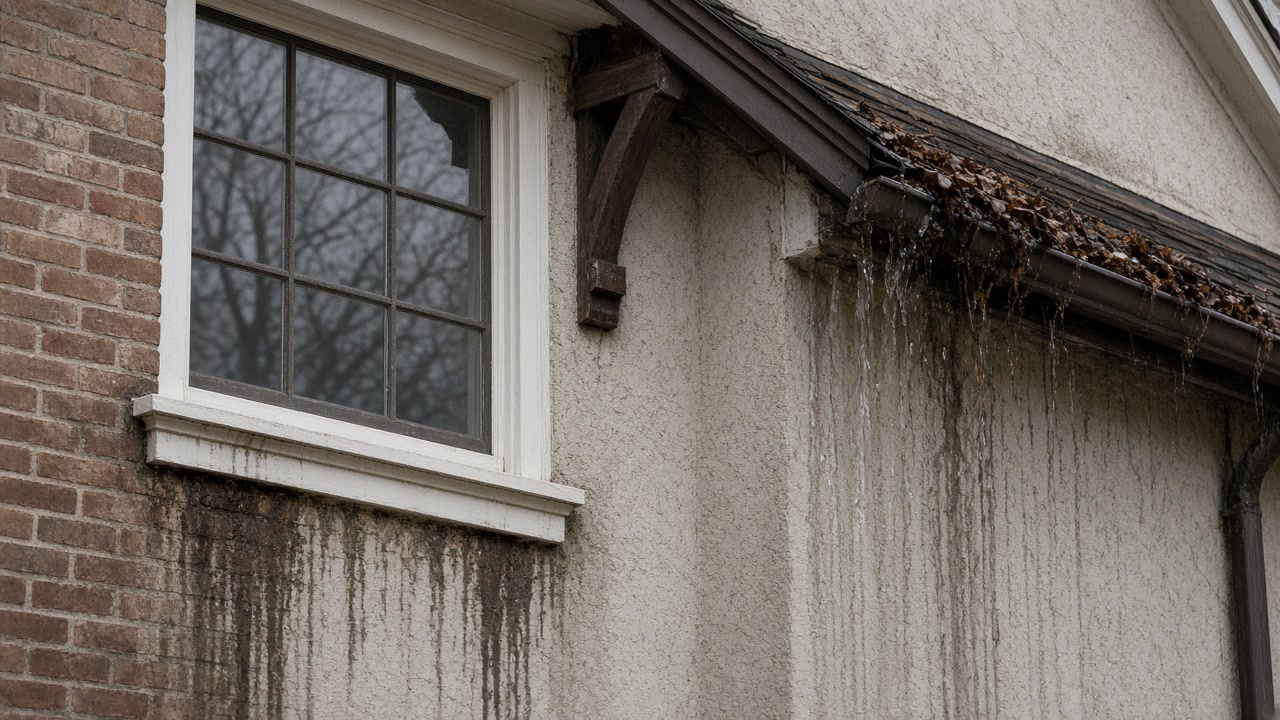
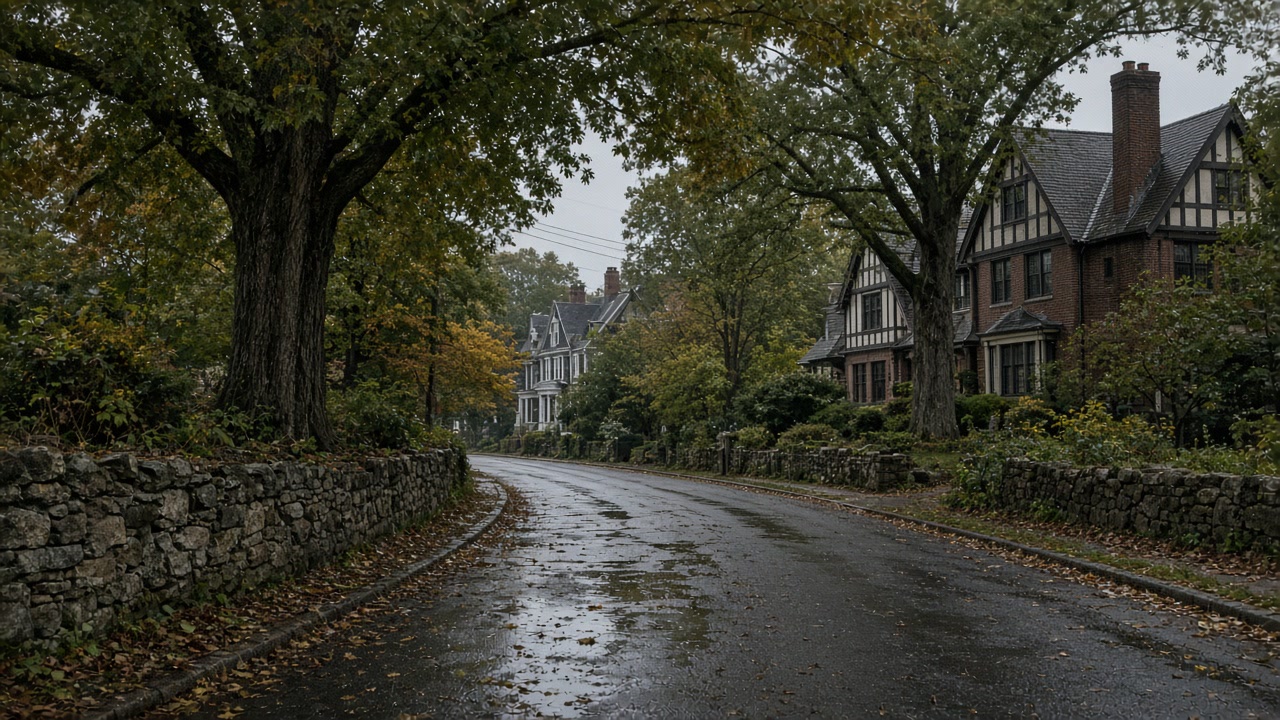
New Rochelle treats its water problems as two separate programs, and it is worth knowing which one you are in before agreeing a scope. One is surface: the City's hazard annex lists locations it describes as low lying areas that flood in high rainfall because of insufficient storm drain capacity, which is a constraint in the pipe under the street rather than in your wall, and no amount of waterproofing inside changes the volume arriving outside. The other is sanitary: the City completed two projects costing about $5 million each to cut stormwater infiltration into the sanitary system and reduce back-ups, and recorded reduced sewer back-ups as the evidence they worked. Water that came up a drain is a different category from water that came down a wall, with different rules about what can be saved. The wider geography matters too, because the city runs from Long Island Sound up to the Scarsdale line and the state's Resilient NY study of the Hutchinson River, which rises in Scarsdale, names the Wilmot Road culverts among its high risk areas, so an inland address and a shoreline address are dealing with different mechanisms under one City Hall. Flood damage prevention sits in Article IV of the City code, last amended in 2007, the City takes no part in the Community Rating System, so there is no community premium discount, and when the county asked whether it keeps a list of flood damaged properties it answered that it was considering maintaining one for future events.
What we arrange from the Sound up to the Scarsdale line
Mold Inspection and Moisture Diagnosis
Find out in writing what is bringing water into your Scarsdale lower level, whether the cause is a fault in your building or a drainage condition outside it, and whether there is a mold job here at all.
Mold Inspection in New Rochelle →Mold Removal and Remediation
Get mold out of a finished Scarsdale lower level with a written work plan before anyone cuts, a clear line between what comes out and what stays, and containment that holds until an independent licensee passes the work.
Mold Removal in New Rochelle →Water Damage Drying and Basement Dry Out
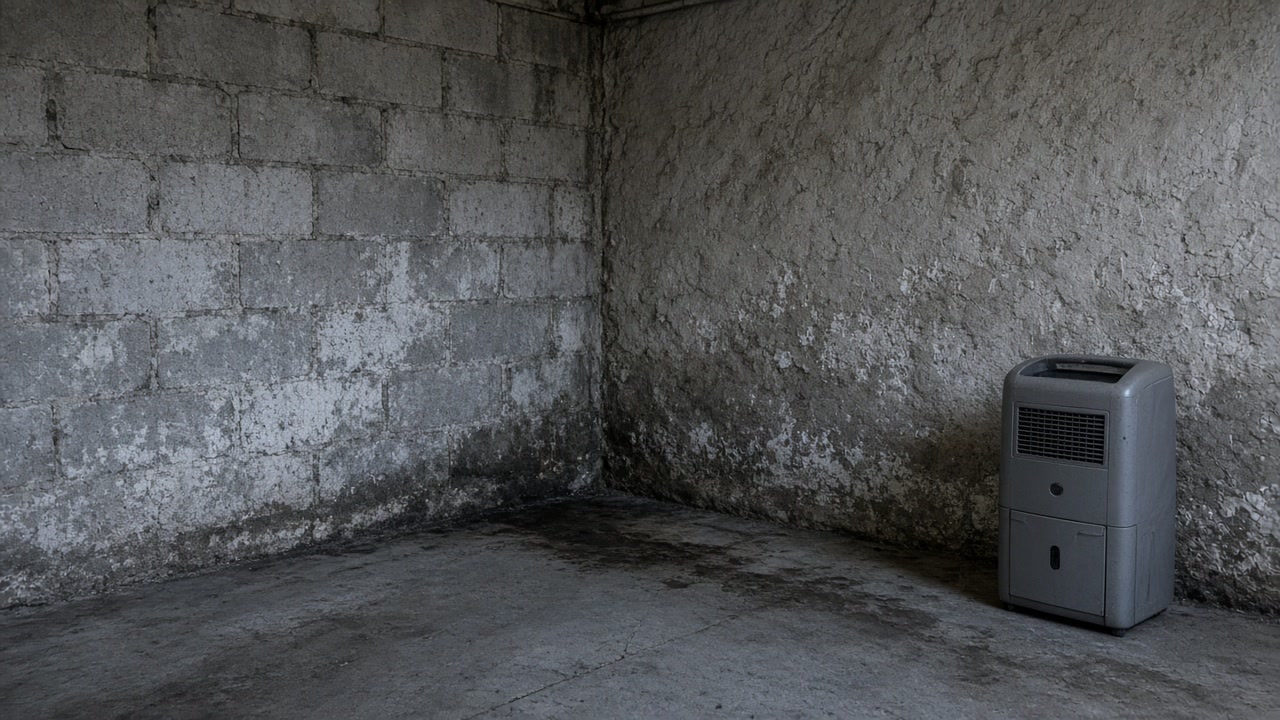
Get water out of a Scarsdale lower level while it is still a drying job, with the source of the water categorized first, because rain and a sanitary backup change what can be saved.
Water Damage Drying in New Rochelle →Send what you have and we will place it in the right category
Category first, then scope, then who is actually needed. A person reads every request, and if the right answer is that nothing needs doing, that is what we will tell you.