Basement Dry Out in Larchmont, a Square Mile Against the Sound
Larchmont gives a wet lower level very little room to drain and very little time before an unsealed wall starts holding it.
Water Damage Drying quote in Larchmont
Tell us what you can see or smell, where in the house it is, and whether water has been in that space before. That last answer is the one that changes our advice most, because a space that has taken water more than once is asking a different question from a space that took it once.
$100 off your first job
Credited by us on your first booked job.
- One credit per customer per property, on your first booked job.
- Valid through December 31, 2026.
Mention this offer when you book. Full terms.
What a Larchmont lower level is working against
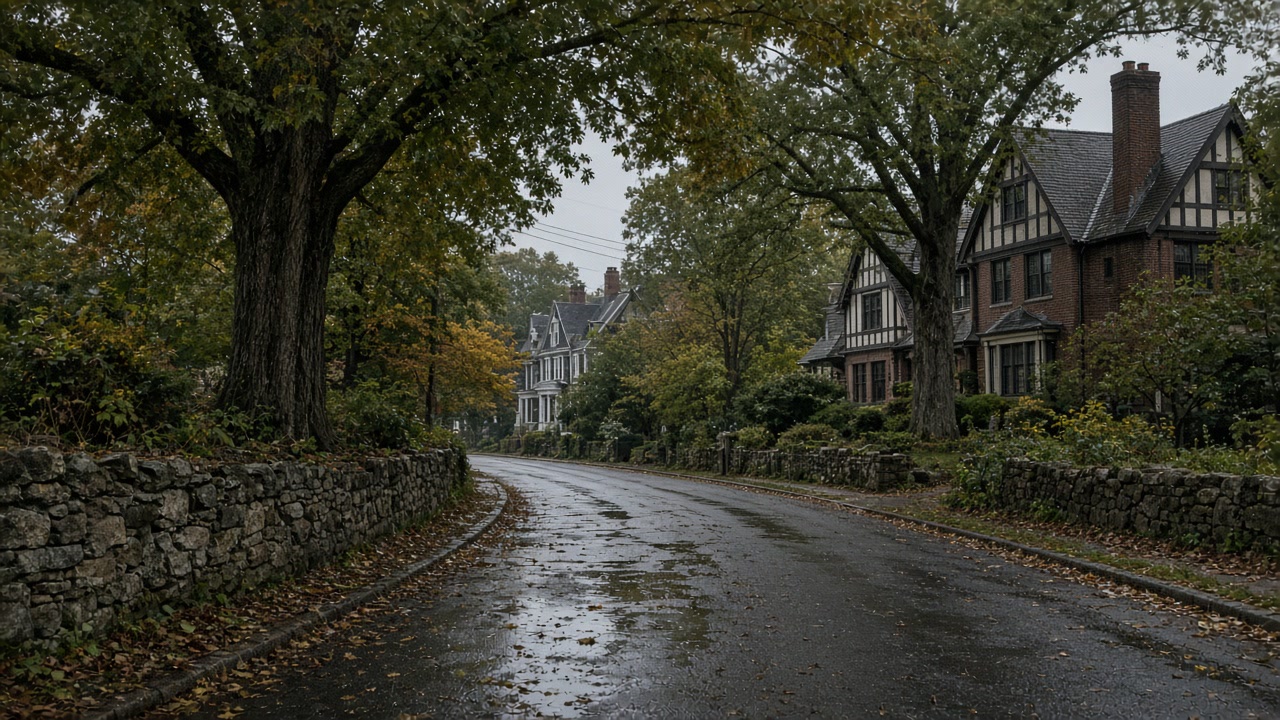
Larchmont is a one square mile jurisdiction nestled against Long Island Sound and surrounded on three sides by the Town of Mamaroneck, and its own annex is candid about the margins. Many Village owned critical facilities sit inside the Special Flood Hazard Area, and the Byron Place Pumping Station requires upgrades to its relay panels and variable head pumps, with the Village recording that failure of the pumping station would result in heightened flooding risk. That is the backdrop to a dry out here: little elevation, little slack in the system, and walls built before anybody expected them to stay dry.
What water damage drying involves in Larchmont
Drying a wall that was never sealed
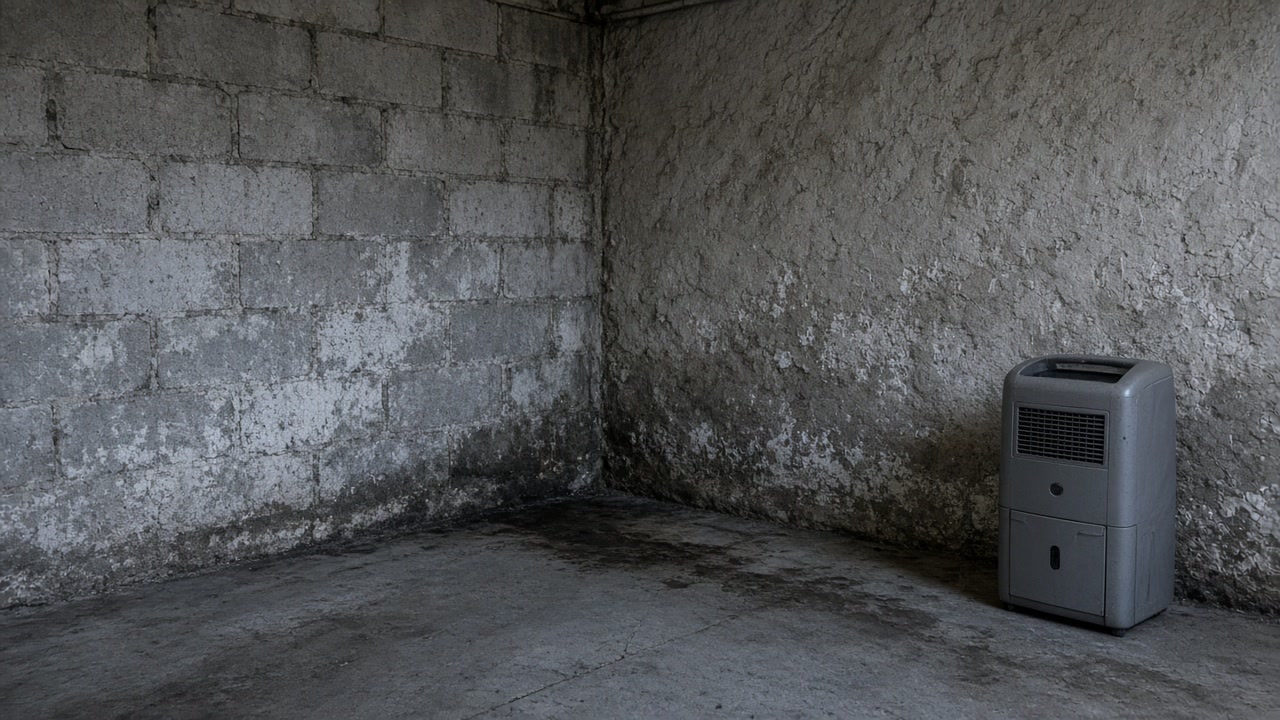
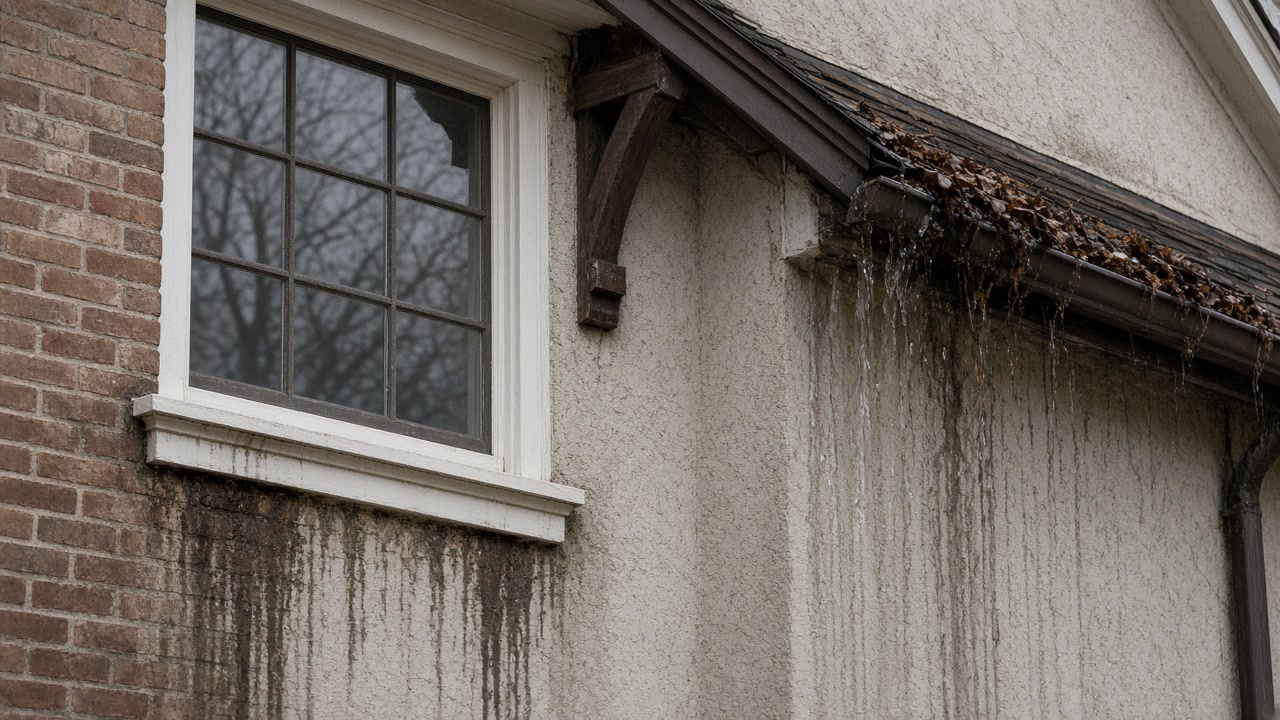
On a prewar Larchmont wall the drying target is not the puddle, it is the masonry. The EPA's window is 24 to 48 hours for materials to be dried before growth becomes likely, and old brick, stone and unsealed block give water back slowly, so a floor that looks dry by the evening tells you very little about what is behind the paneling. Two more things to weigh while you decide how much equipment this needs. Larchmont takes no part in the Community Rating System, so no community discount reaches the 246 flood policies in force here as of July 2021. And the Village keeps no list of properties damaged by flooding, which makes what you record today the only history of this event.
How much slack the Village system has
The annex records many Village owned critical facilities inside the Special Flood Hazard Area and flags the Byron Place Pumping Station for relay panel and variable head pump upgrades, with failure raising flooding risk.
How slowly the wall gives the water back
On a stock with a 1938 median, unsealed masonry holds moisture long after the floor is clear, and the EPA's 24 to 48 hour target applies to those materials rather than to the standing water.
Who will hold the record of this event
You will. Larchmont told the county it does not maintain a list of properties damaged by flooding, so dated photographs and moisture readings taken now are the file that exists later.
Byron Place, and the margins a square mile leaves
The Village of Larchmont is "a one-square mile jurisdiction situated in southeastern Westchester County. The shoreline community is nestled against Long Island Sound and completely surrounded by the Town of Mamaroneck on three sides." Its annex records that many Village owned critical facilities sit within the Special Flood Hazard Area, that the Village has not designated emergency shelters or locations for temporary and permanent housing outside that area, and that the Byron Place Pumping Station requires upgrades to its relay panels and variable head pumps, since "Failure of the Pumping Station would result in heightened flooding risk". It does not participate in the Community Rating System.
Source: Westchester County Department of Planning, 2021 Countywide Hazard Mitigation Plan, Section 9.34 Village of Larchmont, accessed 2026-09-22
In the 2019-2023 American Community Survey, Larchmont village has 2,657 housing units with a median year built of 1938, the oldest of the eight towns on this site. 1,436 units, 54.0 percent, were built in 1939 or earlier, and about 91 percent were built before 1980. Of 2,552 occupied units, 69.6 percent are owner occupied.
Source: U.S. Census Bureau, American Community Survey 2019-2023 5-Year Estimates, Tables DP04 and B25035, accessed 2026-09-22
The 2021 county plan reports FEMA data current to July 2021 for the Village of Larchmont: 246 flood insurance policies in force, 433 paid claims, $5,484,076.95 in total loss payments and 44 Repetitive Loss properties. Larchmont told the county that "Flooding mainly takes place within the Special Flood Hazard Area" and that "The Village does not maintain a list of properties damaged by flooding". Its flood damage prevention ordinance is Chapter 337, dated September 15, 2007. It is the only one of the eight towns on this site that reported staff holding the CFM floodplain management credential, with two.
Source: Westchester County Department of Planning, 2021 Countywide Hazard Mitigation Plan, Section 9.34 Village of Larchmont, accessed 2026-09-22
The EPA states: "It is important to dry water-damaged areas and items within 24-48 hours to prevent mold growth", and "If wet or damp materials or areas are dried 24-48 hours after a leak or spill happens, in most cases mold will not grow." Its mold course adds that buildings and furnishings "must be dried or 'allowed to dry' quickly (within 24-48 hours) in order to avoid mold growth".
Source: United States Environmental Protection Agency, A Brief Guide to Mold, Moisture and Your Home, accessed 2026-09-22
The EPA states that "Absorbent or porous materials, such as ceiling tiles and carpet, may have to be thrown away if they become moldy. Mold can grow on or fill in the empty spaces and crevices of porous materials, so the mold may be difficult or impossible to remove completely." It advises "Do not paint or caulk moldy surfaces", and lists the places hidden mold is commonly found, including the back side of drywall, wallpaper or paneling, the underside of carpets and pads, inside walls around leaking or condensing pipes, and wall surfaces behind furniture where condensation forms. It warns that investigating hidden mold can itself release spores, for example when removing wallpaper.
Source: United States Environmental Protection Agency, A Brief Guide to Mold, Moisture and Your Home, accessed 2026-09-22
How high did it reach on the wall?
On unsealed prewar masonry that line matters more than the depth on the floor. A photograph and a rough measurement are enough.
What follows a Larchmont dry out
Larchmont questions with the floor still wet
The floor is dry but the room still smells. What is going on?
Almost certainly the materials rather than the floor. On a stock where the median home dates to 1938, the wall behind the paneling is unsealed masonry that releases water slowly, and the EPA lists the back side of drywall and paneling and the underside of carpets and pads among the commonest places hidden mold is found. The 24 to 48 hour window applies to those materials. Moisture readings behind the finish, rather than a look at the floor, are what answer this properly.
Should I photograph anything before it gets cleaned up?
Yes, and it is the cheapest thing you will do all week. The Village told the county it does not maintain a list of properties damaged by flooding, so no municipal file will corroborate this event later. Dated photographs of the water at its height, a note of the hour it arrived, and moisture readings taken before drying starts are what a future buyer, insurer or assessment licensee has to work from. Take them before the equipment goes in, not after.
Send the Larchmont photographs before anything is cleared
What you record in the first hours is the evidence later, and it costs nothing to capture now.