Basement Dry Out in New Rochelle: Storm Drain or Sanitary Sewer
New Rochelle funds its two water problems separately, and which one reached your basement decides how much of the room can be saved.
Water Damage Drying quote in New Rochelle
Tell us what you can see or smell, where in the house it is, and whether water has been in that space before. That last answer is the one that changes our advice most, because a space that has taken water more than once is asking a different question from a space that took it once.
$100 off your first job
Credited by us on your first booked job.
- One credit per customer per property, on your first booked job.
- Valid through December 31, 2026.
Mention this offer when you book. Full terms.
What decides whether material is dried or removed
If there is any chance the water was sanitary, stop weighing whether porous material can be dried. The EPA's position is that where damage was caused by sewage or other contaminated water you bring in someone with experience of buildings damaged by contaminated water, and carpet, pad and board in that category come out rather than get dried. If it was rainwater the clock is the whole question: inside 24 to 48 hours most materials in most cases can be dried without mold following, and beyond it the job changes shape. And if it was a small area of clean water caught quickly, the honest answer may be that a dehumidifier and some patience finish it, which is better said now than after a visit.
Which of the City's two problems you had
New Rochelle completed two projects at about $5 million each targeting stormwater infiltration into the sanitary system and sewer back-ups, and records reduced back-ups as the evidence of success. Sanitary is its own category.
Whether the street pipe was the constraint
The City lists low lying areas it says flood in high rainfall because of insufficient storm drain capacity. Where the volume outside is the limit, interior waterproofing does not change the outcome.
How long the materials have been wet
Materials dried inside 24 to 48 hours will in most cases not grow mold. Past that window the decision moves from equipment to what is coming out of the room.
Two water problems, two budgets, one City
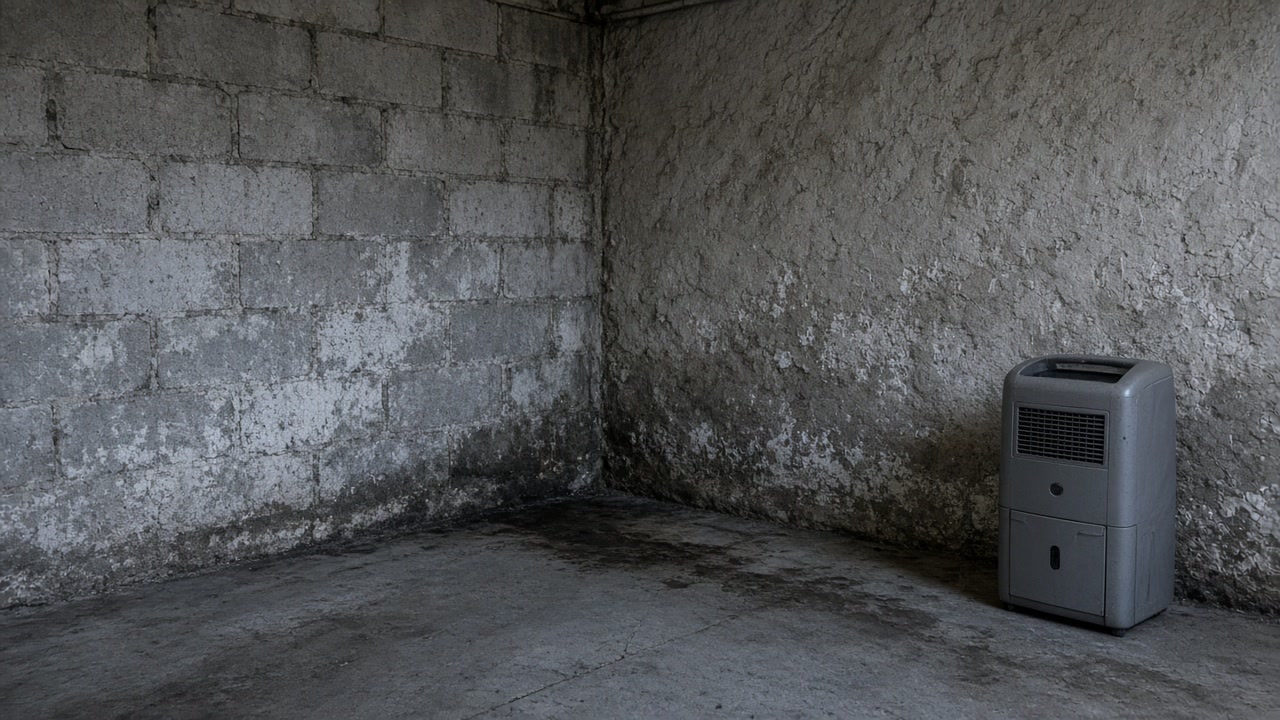
New Rochelle's 2021 annex lists locations with "undersized storm drains that result in flooding concerns", each described as "a low-lying area which floods during high rainfall events due to insufficient storm drain capacity": Homestead Place off Palmer Avenue behind the Tennis Center, Van Guilder Avenue, Valley Road by Wood Place and Barberry, Portman and Fifth Avenues, Beechmont Drive, and Pelham Road in the area of 666 Pelham Road. Of Valley Road it notes that "emergency protective services are routinely needed to rescue residents by boat".
Source: Westchester County Department of Planning, 2021 Countywide Hazard Mitigation Plan, Section 9.3 City of New Rochelle, accessed 2026-09-22
New Rochelle completed two sewer projects, each costing about $5 million, aimed at sewer back-ups. One was an engineering study to eliminate or reduce stormwater infiltration and rehabilitate the sanitary sewer drainage system at Halcyon Park, Brookdale Avenue and surrounding streets "to eliminate or reduce sewer back-up, sewer overflow, and overland flooding", and the other evaluated sewer capacity and sources of infiltration at Valley Road, Whitewood Avenue, Victory Boulevard, Carlisle Road and Lispenard Avenue. Both are recorded as complete with the evidence of success given as "Reduced sewer back-ups".
Source: Westchester County Department of Planning, 2021 Countywide Hazard Mitigation Plan, Section 9.3 City of New Rochelle, accessed 2026-09-22
The EPA states: "If the water and/or mold damage was caused by sewage or other contaminated water, then call in a professional who has experience cleaning and fixing buildings damaged by contaminated water." It separately advises that where the moldy area is more than about 10 square feet, homeowners should consult its guidance for larger remediation.
Source: United States Environmental Protection Agency, A Brief Guide to Mold, Moisture and Your Home, accessed 2026-09-22
The EPA states: "It is important to dry water-damaged areas and items within 24-48 hours to prevent mold growth", and "If wet or damp materials or areas are dried 24-48 hours after a leak or spill happens, in most cases mold will not grow." Its mold course adds that buildings and furnishings "must be dried or 'allowed to dry' quickly (within 24-48 hours) in order to avoid mold growth".
Source: United States Environmental Protection Agency, A Brief Guide to Mold, Moisture and Your Home, accessed 2026-09-22
The New York State Department of Labor states that "A Mold Project is defined as mold remediation, mold assessment, or mold abatement, of areas greater than ten (10) square feet undertaken for purpose of mold remediation or abatement", and that "The mere presence of mold does not trigger any obligation to obtain an assessment or perform remediation. However, if a property owner does elect to hire either an assessor or remediator, for the purposes of mold assessment or remediation, those individuals must be licensed and follow the requirements in the law." The first of its four licensing exemptions is "A residential property owner who performs mold inspection, assessment, remediation, or abatement on his or her own property"; the others cover non-residential owners of buildings of four or fewer dwelling units, owners and managing agents working on their own larger buildings provided they do not perform the work for the public, and governmental units and their employees. The Department states that consultants and contractors acting as agents of a governmental unit are not exempt.
Source: New York State Department of Labor, Mold Frequently Asked Questions, accessed 2026-09-22
What water damage drying involves in New Rochelle
The New Rochelle question that sets the whole scope
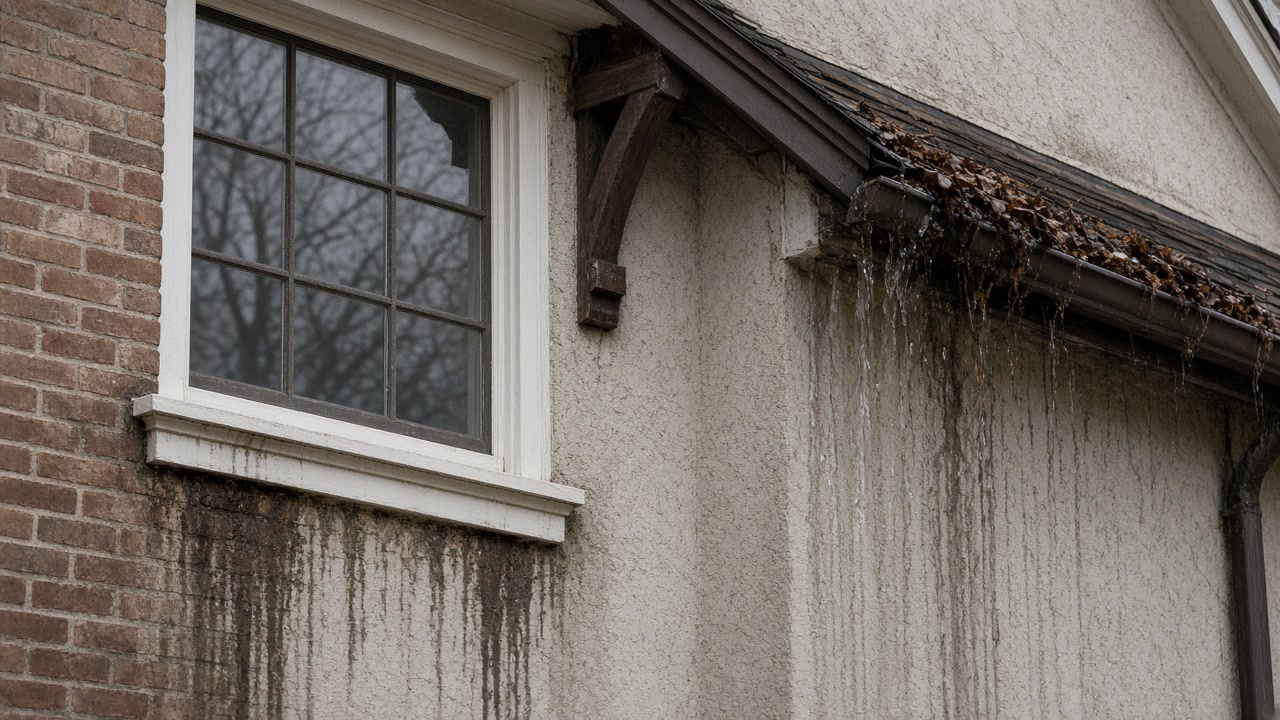
Answer one question and most of a New Rochelle dry out plan follows from it. The City's hazard annex lists locations it describes as low lying areas that flood during high rainfall events because of insufficient storm drain capacity, which is a constraint in the pipe under the street. Separately it completed two sewer projects costing about five million dollars each to cut stormwater infiltration into the sanitary system and reduce back-ups, recording reduced sewer back-ups as the evidence they worked. Surface water and sanitary water are different categories with different rules about what is salvageable, and the answer is usually obvious to whoever was standing there.
Storm water, or sanitary?
If you know which, that is the most useful thing you can send. If you do not, describe what it looked and smelled like.
New Rochelle questions in the first day
The street floods before my basement does. Is that relevant?
Very. The City lists specific low lying areas it says flood during high rainfall events because of insufficient storm drain capacity, and of Valley Road it notes that emergency protective services are routinely needed to rescue residents by boat. Those are conditions the City has examined at street level rather than statements about any individual property. But if the volume arriving outside is the constraint, then sealing the inside of a wall is not the thing that changes what happens next time.
It came up the drain rather than in through a wall. What does that change?
The category, and with it what can be kept. New Rochelle has spent about ten million dollars across two completed projects aimed at stormwater infiltration into the sanitary system and at reducing back-ups, so this is a recognized mechanism in the city rather than a freak event at your address. Where sewage or other contaminated water is involved the EPA advises calling in someone with experience of buildings damaged by it, and porous material in that category is normally removed rather than dried and reused.
Send the New Rochelle details and we will place the category
We place the category first, then the scope, then who is genuinely needed. If that turns out to be nobody, you will be told.