Mold Removal in Larchmont, Where a Coastal Review Can Land on a Basement
A Larchmont removal is usually straightforward inside the house and slowest at the permit desk, so the calendar is the thing to plan first.
Mold Removal quote in Larchmont
Tell us what you can see or smell, where in the house it is, and whether water has been in that space before. That last answer is the one that changes our advice most, because a space that has taken water more than once is asking a different question from a space that took it once.
$100 off your first job
Credited by us on your first booked job.
- One credit per customer per property, on your first booked job.
- Valid through December 31, 2026.
Mention this offer when you book. Full terms.
What comes off a 1938 Larchmont wall
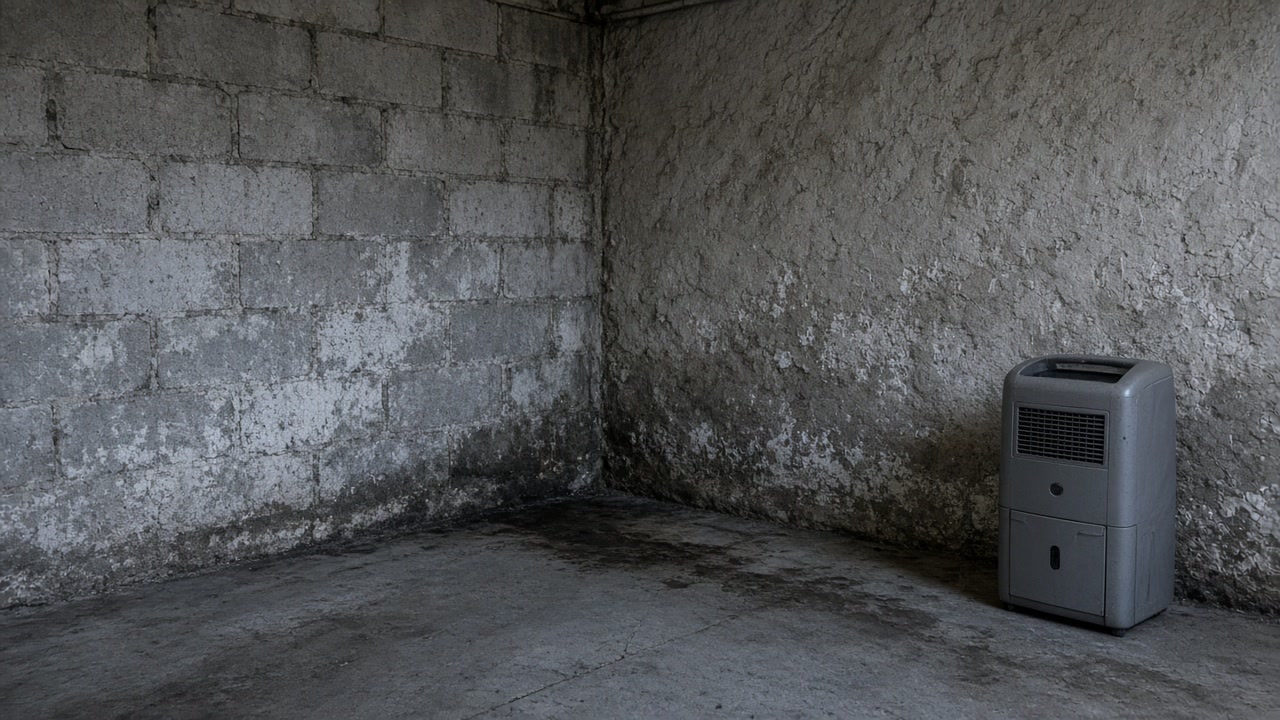
Inside the house the fabric decides the scope. With a 1938 median and 54 percent of homes built in 1939 or earlier, the usual Larchmont pattern is an old masonry wall with framing, insulation and board added against it long afterwards, and the EPA lists exactly those places as where hidden mold is commonly found: the back side of drywall, wallpaper and paneling, the underside of carpets and pads, and wall surfaces behind furniture where condensation forms. It also warns that investigating hidden mold can itself release spores, for instance when wallpaper is removed, which is the argument for containment being planned before anyone starts pulling at a corner to see how far it goes.
Whether any exterior work is in the scope
The coastal boundary covers the whole Village, and the Building Department decides whether a project needs the Board of Architectural Review, the Coastal Zone Management Commission, the Planning Commission or the Zoning Board.
What is behind the finish on a prewar wall
The EPA names the back of drywall, wallpaper and paneling and the underside of carpets and pads among the commonest places hidden mold is found. On 1930s stock that is most of what was added later.
When containment goes up, and when it may come down
Before work starts, and not until an assessment licensee grants clearance. The remediation licensee also has to keep the work plan on site and display signs while the work is in progress.
One square mile, entirely inside the state coastal boundary
The Town of Mamaroneck and Village of Larchmont Local Waterfront Revitalization Program, adopted in 1986 and updated in 1996, "extends the coastal boundary to include the entire Village of Larchmont allowing the Village to apply New York State coastal policy throughout their jurisdictions". The Larchmont-Mamaroneck Coastal Zone Management Commission advises on whether local projects in Larchmont and the unincorporated area of the Town of Mamaroneck are consistent with that plan, and Larchmont's Building Department determines whether construction or special uses need approvals from the Board of Architectural Review, the Coastal Zone Management Commission, the Planning Commission or the Zoning Board of Appeals.
Source: Westchester County Department of Planning, 2021 Countywide Hazard Mitigation Plan, Section 9.34 Village of Larchmont, accessed 2026-09-22
In the 2019-2023 American Community Survey, Larchmont village has 2,657 housing units with a median year built of 1938, the oldest of the eight towns on this site. 1,436 units, 54.0 percent, were built in 1939 or earlier, and about 91 percent were built before 1980. Of 2,552 occupied units, 69.6 percent are owner occupied.
Source: U.S. Census Bureau, American Community Survey 2019-2023 5-Year Estimates, Tables DP04 and B25035, accessed 2026-09-22
The Village of Larchmont is "a one-square mile jurisdiction situated in southeastern Westchester County. The shoreline community is nestled against Long Island Sound and completely surrounded by the Town of Mamaroneck on three sides." Its annex records that many Village owned critical facilities sit within the Special Flood Hazard Area, that the Village has not designated emergency shelters or locations for temporary and permanent housing outside that area, and that the Byron Place Pumping Station requires upgrades to its relay panels and variable head pumps, since "Failure of the Pumping Station would result in heightened flooding risk". It does not participate in the Community Rating System.
Source: Westchester County Department of Planning, 2021 Countywide Hazard Mitigation Plan, Section 9.34 Village of Larchmont, accessed 2026-09-22
The EPA states that "Absorbent or porous materials, such as ceiling tiles and carpet, may have to be thrown away if they become moldy. Mold can grow on or fill in the empty spaces and crevices of porous materials, so the mold may be difficult or impossible to remove completely." It advises "Do not paint or caulk moldy surfaces", and lists the places hidden mold is commonly found, including the back side of drywall, wallpaper or paneling, the underside of carpets and pads, inside walls around leaking or condensing pipes, and wall surfaces behind furniture where condensation forms. It warns that investigating hidden mold can itself release spores, for example when removing wallpaper.
Source: United States Environmental Protection Agency, A Brief Guide to Mold, Moisture and Your Home, accessed 2026-09-22
New York Labor Law section 946 requires a mold remediation licensee to prepare a remediation work plan specific to each project and give it to the client before work begins, to provide required personal protective equipment, to display signs indicating remediation is in progress, and to leave containment in place until clearance is obtained from an assessment licensee. Section 935 requires the assessment licensee to prepare a work analysis and give it to the client before remediation begins, and requires the remediation licensee to keep a copy of the work plan on site.
Source: New York State Senate, Labor Law section 946, accessed 2026-09-22
New York Labor Law section 947 requires a post-remediation assessment for a project to achieve clearance, and requires the assessment licensee to determine, among other things, that "the underlying cause of the mold has been remediated so that it is reasonably certain that the mold will not return". The licensee issues a written passed clearance report, or, if the work is unsuccessful, a written final status report to the client and to the remediation licensee.
Source: New York State Senate, Labor Law section 947, accessed 2026-09-22
What mold removal involves in Larchmont
What can slow a Larchmont basement job down
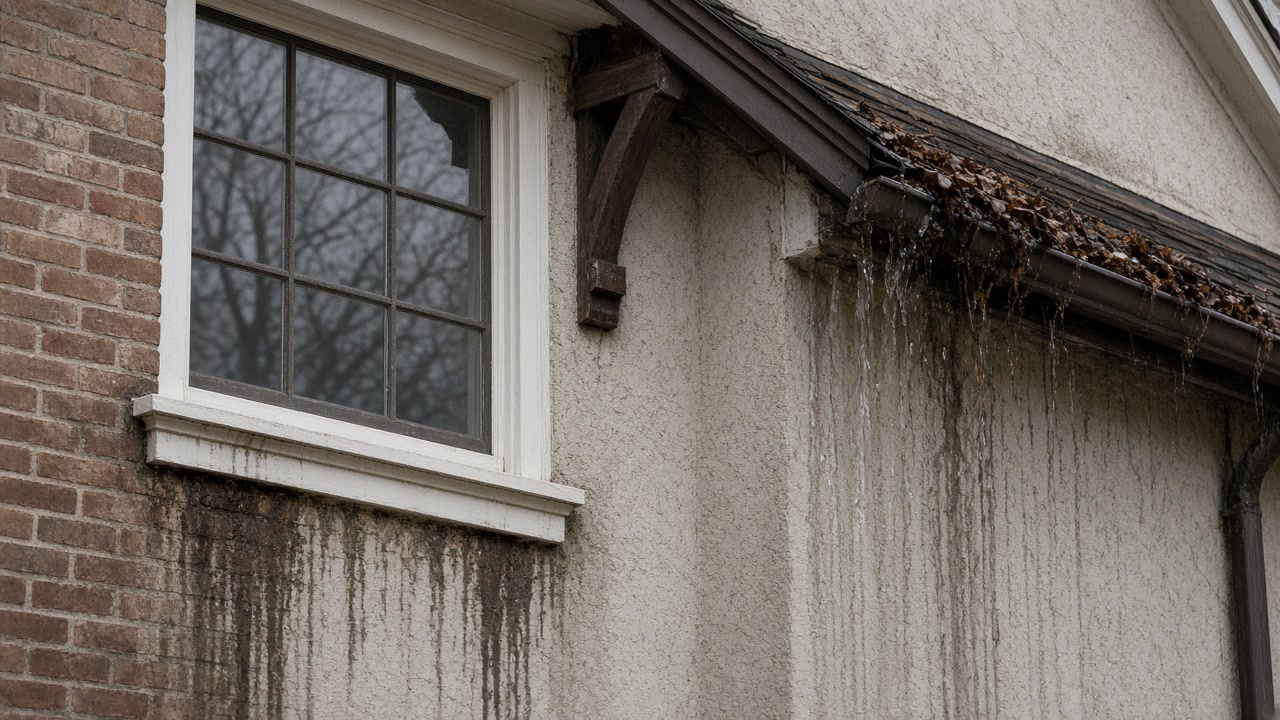
Every square foot of Larchmont sits inside the state coastal boundary. The Local Waterfront Revitalization Program shared with the Town of Mamaroneck extends that boundary across the entire Village, the Larchmont-Mamaroneck Coastal Zone Management Commission advises on whether projects are consistent with the plan, and the Village Building Department decides which boards a project has to see. For a job that stays inside the walls this rarely bites. For one touching exterior grading, a drain line or the foundation, it can add weeks, and weeks are what people forget to budget when they promise themselves a finished room by a date.
Is any of this work outside the walls?
Interior and exterior run on different calendars in Larchmont. Say which you are planning and we will flag what it may pick up.
Larchmont questions about boards, permits and containment
Will I need coastal approval just to have mold removed?
That determination belongs to the Village Building Department, not to a contractor, and it is worth asking early. The Local Waterfront Revitalization Program extends the state coastal boundary across the entire Village, and the Building Department decides whether a project needs approvals from the Board of Architectural Review, the Coastal Zone Management Commission, the Planning Commission or the Zoning Board of Appeals. Interior removal and exterior drainage work are very different propositions in that respect, so design the scope around the answer rather than around a hoped-for one.
How long will the containment be up?
Until somebody other than the removal contractor signs it off. New York requires containment to stay in place until clearance is obtained from an assessment licensee, who then issues either a written passed clearance report or, if the work was unsuccessful, a written final status report. Clearance itself depends on that licensee determining the underlying cause has been remediated so that it is reasonably certain the mold will not return, which on a prewar Larchmont wall is often a question about drainage outside the house.
Send the Larchmont scope you are considering
We will separate the part that can start soon from the part that has a board attached to it.