Basement Dry Out in Harrison, Where Water Often Comes Up Rather Than In
Say which way the water arrived and most of the drying plan writes itself, because up a drain and in at a wall are two different categories of work.
Water Damage Drying quote in Harrison
Tell us what you can see or smell, where in the house it is, and whether water has been in that space before. That last answer is the one that changes our advice most, because a space that has taken water more than once is asking a different question from a space that took it once.
$100 off your first job
Credited by us on your first booked job.
- One credit per customer per property, on your first booked job.
- Valid through December 31, 2026.
Mention this offer when you book. Full terms.
What Harrison told the county about its own drainage systems
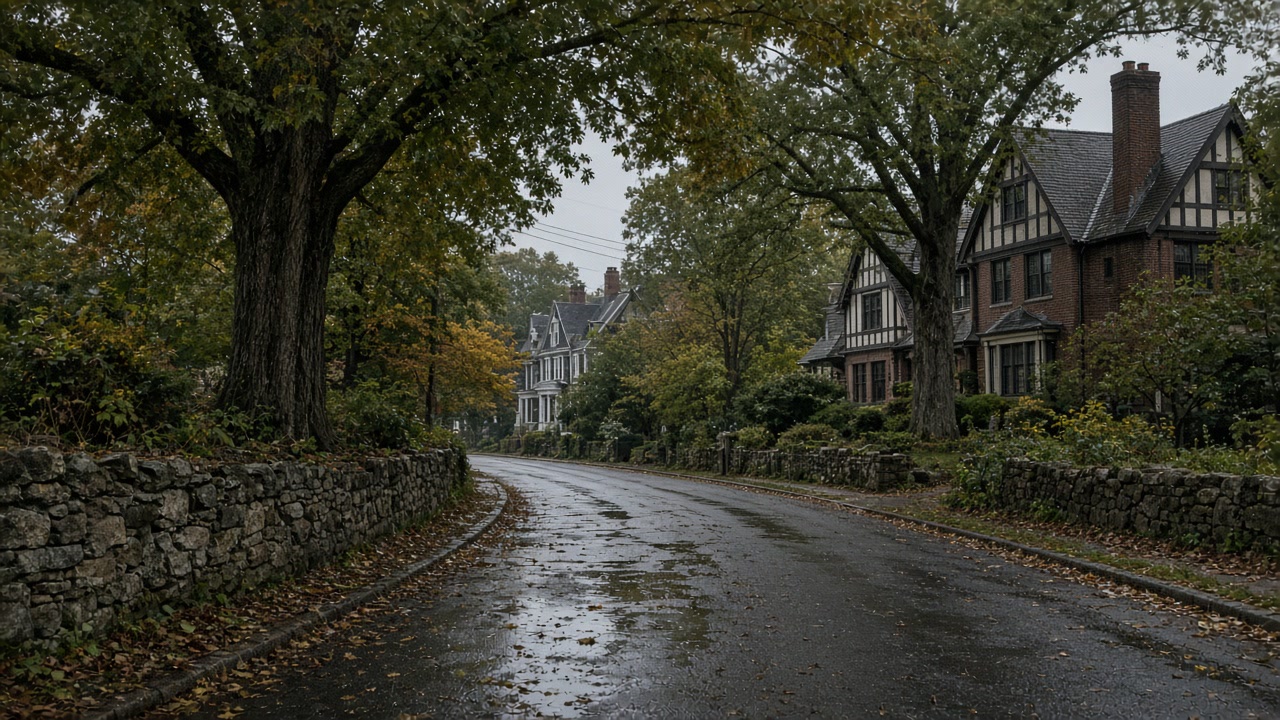
Harrison's 2021 annex names the areas where repetitive flood damage is recorded: "low lying areas and areas along the waterways", specifically Temple Street, Bradford Street, Congress Street, Ellsworth Avenue, Indian Trail, Shawnee Trail, Pinehurst Drive, Walnut Lane, Crotona Avenue, Glendale Road, Oak Street, Osborne Road, Woodlands Road, Park Avenue, West Street, Batavia Place, Ramapo Trail, Post Place, Condit Street, Crystal Street and Genesee Trail. It also records flooding on Brentwood Brook near two schools, a pond near Harrison Elementary School that floods and affects nearby homes, and states that "The Town/Village piping, sewage, and plumbing drainage systems are outdated and inefficient", with drainage upgrades needed for nuisance flooding in Downtown Harrison, Purchase and West Harrison.
Source: Westchester County Department of Planning, 2021 Countywide Hazard Mitigation Plan, Section 9.31 Town-Village of Harrison, accessed 2026-09-22
The 2021 county plan reports FEMA data current to July 2021 for the Town-Village of Harrison: 321 flood insurance policies in force, 949 paid claims, $5,882,727.30 in total loss payments and 94 Repetitive Loss properties. Harrison is a Community Rating System Class 7 community as of May 1, 2020, which FEMA rates at a 15 percent premium discount. No other town on this site holds a Community Rating System class below 8, which FEMA rates at 10 percent. Its flood damage prevention ordinance is Chapter 146 of the Town Code, last amended in 2007.
Source: Westchester County Department of Planning, 2021 Countywide Hazard Mitigation Plan, Section 9.31 Town-Village of Harrison, accessed 2026-09-22
The EPA states: "If the water and/or mold damage was caused by sewage or other contaminated water, then call in a professional who has experience cleaning and fixing buildings damaged by contaminated water." It separately advises that where the moldy area is more than about 10 square feet, homeowners should consult its guidance for larger remediation.
Source: United States Environmental Protection Agency, A Brief Guide to Mold, Moisture and Your Home, accessed 2026-09-22
The EPA states: "It is important to dry water-damaged areas and items within 24-48 hours to prevent mold growth", and "If wet or damp materials or areas are dried 24-48 hours after a leak or spill happens, in most cases mold will not grow." Its mold course adds that buildings and furnishings "must be dried or 'allowed to dry' quickly (within 24-48 hours) in order to avoid mold growth".
Source: United States Environmental Protection Agency, A Brief Guide to Mold, Moisture and Your Home, accessed 2026-09-22
The New York State Department of Labor states that "A Mold Project is defined as mold remediation, mold assessment, or mold abatement, of areas greater than ten (10) square feet undertaken for purpose of mold remediation or abatement", and that "The mere presence of mold does not trigger any obligation to obtain an assessment or perform remediation. However, if a property owner does elect to hire either an assessor or remediator, for the purposes of mold assessment or remediation, those individuals must be licensed and follow the requirements in the law." The first of its four licensing exemptions is "A residential property owner who performs mold inspection, assessment, remediation, or abatement on his or her own property"; the others cover non-residential owners of buildings of four or fewer dwelling units, owners and managing agents working on their own larger buildings provided they do not perform the work for the public, and governmental units and their employees. The Department states that consultants and contractors acting as agents of a governmental unit are not exempt.
Source: New York State Department of Labor, Mold Frequently Asked Questions, accessed 2026-09-22
The Harrison question that comes before the equipment
Harrison is unusually direct about its own plumbing, and that helps on the day you need a dry out. The Town-Village told the county that its piping, sewage and plumbing drainage systems are outdated and inefficient, and that drainage upgrades are needed for nuisance flooding in Downtown Harrison, Purchase and West Harrison alike. Water that comes up through a drain is therefore a recognized local condition here rather than an odd complaint, and it is also the category with the strictest rules about what can be saved. So the first thing we establish is which of the two you had, before anyone talks about equipment.
What decides how much of a Harrison room survives
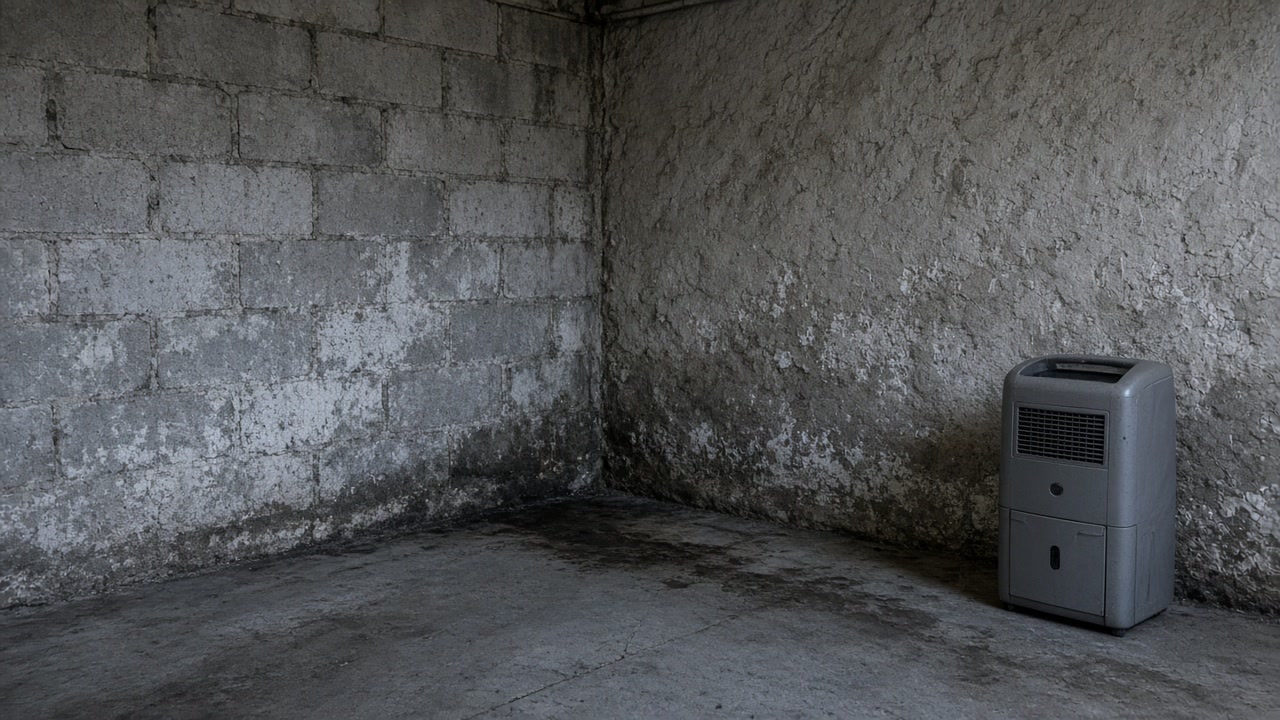
Two answers change what is worth drying. If the water was contaminated, the EPA's advice is to bring in someone with experience of buildings damaged by contaminated water, and the porous material in the room stops being a judgment call. If it was rain or clean supply water, the question is only the clock: dried within 24 to 48 hours, most materials in most cases will not grow mold. Weigh the history alongside both. Harrison recorded 949 paid flood claims against 321 policies in force as of July 2021, which describes the same buildings claiming again rather than a town of isolated incidents, so what you put back matters as much as what you take out.
Which direction the water came from
The Town describes its piping, sewage and plumbing drainage systems as outdated and inefficient and needs drainage upgrades for nuisance flooding in all three sections. Up through a drain is a known pattern here.
Whether the water was contaminated
Where sewage or other contaminated water caused the damage, the EPA says to call in someone with experience of cleaning and fixing buildings damaged by contaminated water. Porous material in that category comes out.
Whether this address has claimed before
949 paid claims against 321 policies in force as of July 2021, with 94 Repetitive Loss properties. Harrison's Class 7 rating does bring a 15 percent premium discount, the strongest on this site.
Up, or in?
One word decides the category and most of the scope with it. Add roughly when it happened and how deep it got.
What a Harrison dry out turns into
Harrison questions asked while the pump is still running
It came up the basement drain in heavy rain. What is different about that?
The category, and therefore what can be kept. The EPA's guidance where damage was caused by sewage or other contaminated water is to bring in someone who has experience cleaning and fixing buildings damaged by it, and soft material in that situation is normally removed rather than dried. It is also worth knowing this is not unusual for the town: Harrison told the county its own piping, sewage and plumbing drainage systems are outdated and inefficient, with nuisance flooding recorded in Downtown Harrison, Purchase and West Harrison.
The water has already gone. Do I still need anyone?
Often not, and it is fairer to say so now than after a visit. Clean water over a small area, caught the same afternoon and dried with air movement and a dehumidifier, is frequently something an owner finishes themselves, and New York specifically exempts a residential property owner doing this work on their own property from the mold licensing requirements. What changes the answer is contaminated water, a large area of porous material, or a room that has been wet for more than a couple of days.
Send the Harrison details and we will set the category first
Category, then scope, then who is genuinely needed. Sometimes the last answer is nobody.