Mold Removal in Harrison: Three Sections, One Set of Rules
Wherever you are in Harrison the removal answers to one code and one permit desk, which removes the most common delay on a job like this.
Mold Removal quote in Harrison
Tell us what you can see or smell, where in the house it is, and whether water has been in that space before. That last answer is the one that changes our advice most, because a space that has taken water more than once is asking a different question from a space that took it once.
$100 off your first job
Credited by us on your first booked job.
- One credit per customer per property, on your first booked job.
- Valid through December 31, 2026.
Mention this offer when you book. Full terms.
The two documents a Harrison removal starts with
Get the paperwork sequence straight, because in New York it is not optional and it is the part that protects you. The assessment licensee has to prepare a work analysis and hand it to you before remediation begins. The remediation licensee has to prepare a project specific work plan, give it to you before work starts, keep a copy on site, display signs while remediation is in progress, and leave containment up until an assessment licensee grants clearance. In practice that means two documents should be in your hands before anyone opens a wall in Harrison, and that the party calling the work finished is not the party doing it. A proposal that skips either document is the thing to query first.
Which section you are in, and why it does not change the code
One Town-Village governs Downtown Harrison, West Harrison and Purchase, with an estimated 2019 population of 28,135 across all three. Chapter 146 covers flood damage prevention for every one of them.
How much of the affected area is porous
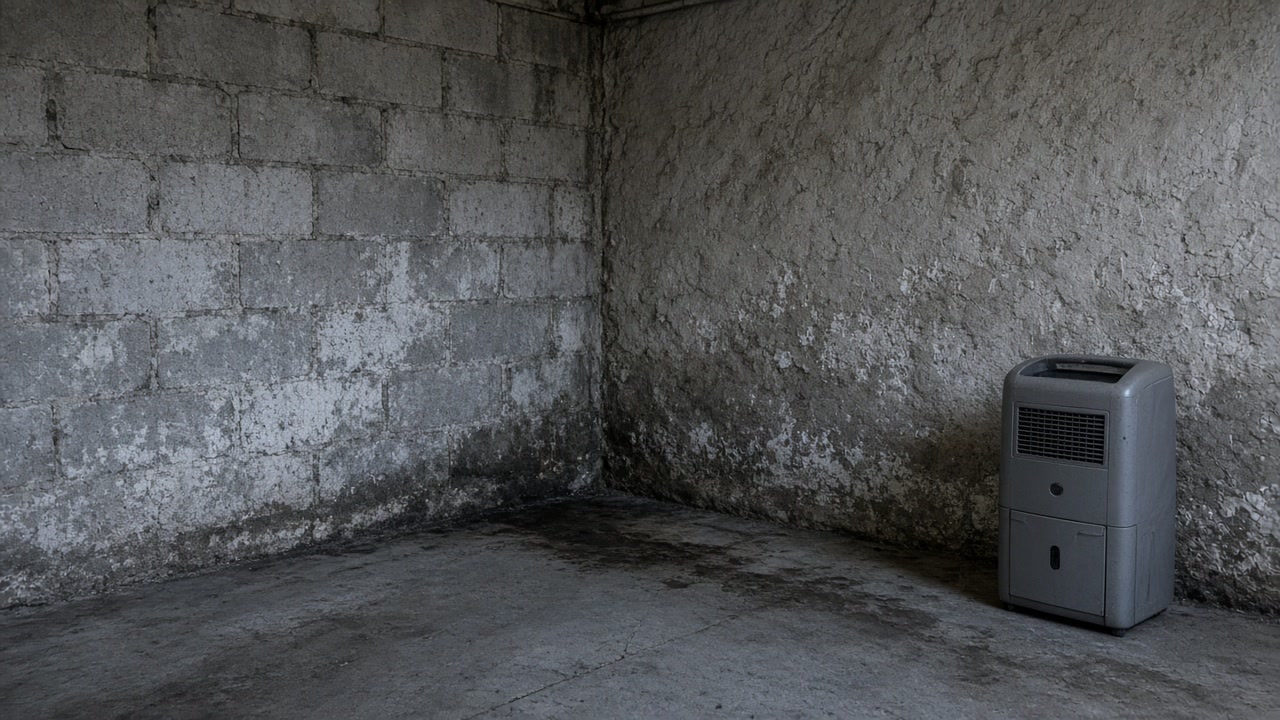
The EPA notes that mold grows into the crevices of absorbent material, so carpet, pad and ceiling tile may have to go while hard surfaces are cleaned. That count, not the stain, sets the scope.
What you should be holding before the first cut
A work analysis from the assessment licensee and a project specific work plan from the remediation licensee, both handed to the client before work starts, with containment staying up until clearance.
A 1963 median across Harrison's 9,283 homes
Harrison is a coterminous town-village of three sections, West Harrison in the northeast, Purchase in the northwest and Harrison in the south, with an estimated 2019 population of 28,135. In the 2019-2023 American Community Survey it has 9,283 housing units with a median year built of 1963, only 21.8 percent built in 1939 or earlier, and 62.0 percent of its 8,789 occupied units owner occupied.
Source: U.S. Census Bureau, American Community Survey 2019-2023 5-Year Estimates, Tables DP04 and B25035, accessed 2026-09-22
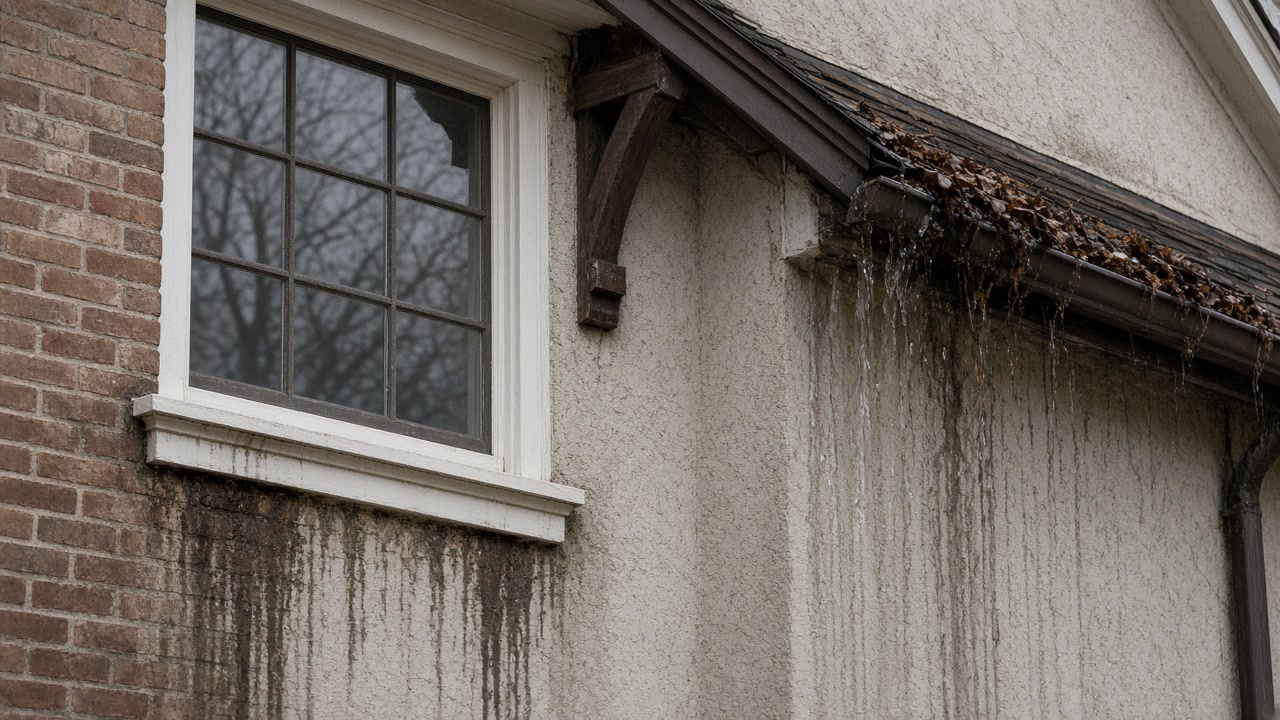
Harrison's 2021 annex names the areas where repetitive flood damage is recorded: "low lying areas and areas along the waterways", specifically Temple Street, Bradford Street, Congress Street, Ellsworth Avenue, Indian Trail, Shawnee Trail, Pinehurst Drive, Walnut Lane, Crotona Avenue, Glendale Road, Oak Street, Osborne Road, Woodlands Road, Park Avenue, West Street, Batavia Place, Ramapo Trail, Post Place, Condit Street, Crystal Street and Genesee Trail. It also records flooding on Brentwood Brook near two schools, a pond near Harrison Elementary School that floods and affects nearby homes, and states that "The Town/Village piping, sewage, and plumbing drainage systems are outdated and inefficient", with drainage upgrades needed for nuisance flooding in Downtown Harrison, Purchase and West Harrison.
Source: Westchester County Department of Planning, 2021 Countywide Hazard Mitigation Plan, Section 9.31 Town-Village of Harrison, accessed 2026-09-22
New York Labor Law section 946 requires a mold remediation licensee to prepare a remediation work plan specific to each project and give it to the client before work begins, to provide required personal protective equipment, to display signs indicating remediation is in progress, and to leave containment in place until clearance is obtained from an assessment licensee. Section 935 requires the assessment licensee to prepare a work analysis and give it to the client before remediation begins, and requires the remediation licensee to keep a copy of the work plan on site.
Source: New York State Senate, Labor Law section 946, accessed 2026-09-22
New York Labor Law section 936 states: "No licensee shall perform both mold assessment and mold remediation on the same property", and, separately, "No person shall own an interest in both the licensee who performs mold assessment services and the licensee who performs mold remediation services on the same property." The same section requires a mold assessment licensee to give a written report to every client it assesses for compensation.
Source: New York State Senate, Labor Law section 936, accessed 2026-09-22
New York Labor Law section 947 requires a post-remediation assessment for a project to achieve clearance, and requires the assessment licensee to determine, among other things, that "the underlying cause of the mold has been remediated so that it is reasonably certain that the mold will not return". The licensee issues a written passed clearance report, or, if the work is unsuccessful, a written final status report to the client and to the remediation licensee.
Source: New York State Senate, Labor Law section 947, accessed 2026-09-22
The EPA states that "Absorbent or porous materials, such as ceiling tiles and carpet, may have to be thrown away if they become moldy. Mold can grow on or fill in the empty spaces and crevices of porous materials, so the mold may be difficult or impossible to remove completely." It advises "Do not paint or caulk moldy surfaces", and lists the places hidden mold is commonly found, including the back side of drywall, wallpaper or paneling, the underside of carpets and pads, inside walls around leaking or condensing pipes, and wall surfaces behind furniture where condensation forms. It warns that investigating hidden mold can itself release spores, for example when removing wallpaper.
Source: United States Environmental Protection Agency, A Brief Guide to Mold, Moisture and Your Home, accessed 2026-09-22
What mold removal involves in Harrison
Why a Harrison removal rarely stalls on jurisdiction
Harrison is geographically split and administratively simple, and for a removal that combination is worth money. Downtown Harrison in the south, West Harrison in the northeast and Purchase in the northwest all sit under a single Town-Village with one code and flood damage prevention in Chapter 146, so a below grade job never stalls while somebody works out whether a town or a village issues the permit. What does change across the three is the building. Harrison has 9,283 housing units with a median year built of 1963 and only 21.8 percent finished in 1939 or earlier, a younger stock than most of this service area, which usually puts the mold in the finish rather than the fabric.
Has anyone given you a work plan yet?
If the answer is no and a start date has been offered, that is worth pausing on. Send what you have been quoted against.
Harrison questions about scope, signs and sign off
Can one company survey it and then remove it?
Not in New York. Section 936 states that no licensee shall perform both mold assessment and mold remediation on the same property, and separately that no person shall own an interest in both the assessment licensee and the remediation licensee working on that property. That is a statewide rule rather than a Harrison one, but it is the reason the report you commission at the start is worth reading: the party who writes it has nothing to gain from the size of the job that follows.
How long does the containment stay up?
Until an assessment licensee clears the work, which is a date set by the clearance visit rather than by when the crew finishes. New York requires containment to remain in place until clearance is obtained, and section 947 conditions that clearance on the assessor determining the underlying cause has been remediated so that it is reasonably certain the mold will not return. In a town that describes its own drainage systems as outdated and inefficient, that cause question often points outside the wall, so it should be in the plan early rather than discovered late.
Send the Harrison room and the paperwork you hold
We will tell you which document is missing and what order the rest of it should run in.