Mold Removal in Hartsdale, Behind Postwar Block and Original Waterproofing
What comes out of a Hartsdale lower level is set by what was built in the 1950s and by what somebody finished over it decades later.
Mold Removal quote in Hartsdale
Tell us what you can see or smell, where in the house it is, and whether water has been in that space before. That last answer is the one that changes our advice most, because a space that has taken water more than once is asking a different question from a space that took it once.
$100 off your first job
Credited by us on your first booked job.
- One credit per customer per property, on your first booked job.
- Valid through December 31, 2026.
Mention this offer when you book. Full terms.
Settle the permit and the rebuild line before the first cut
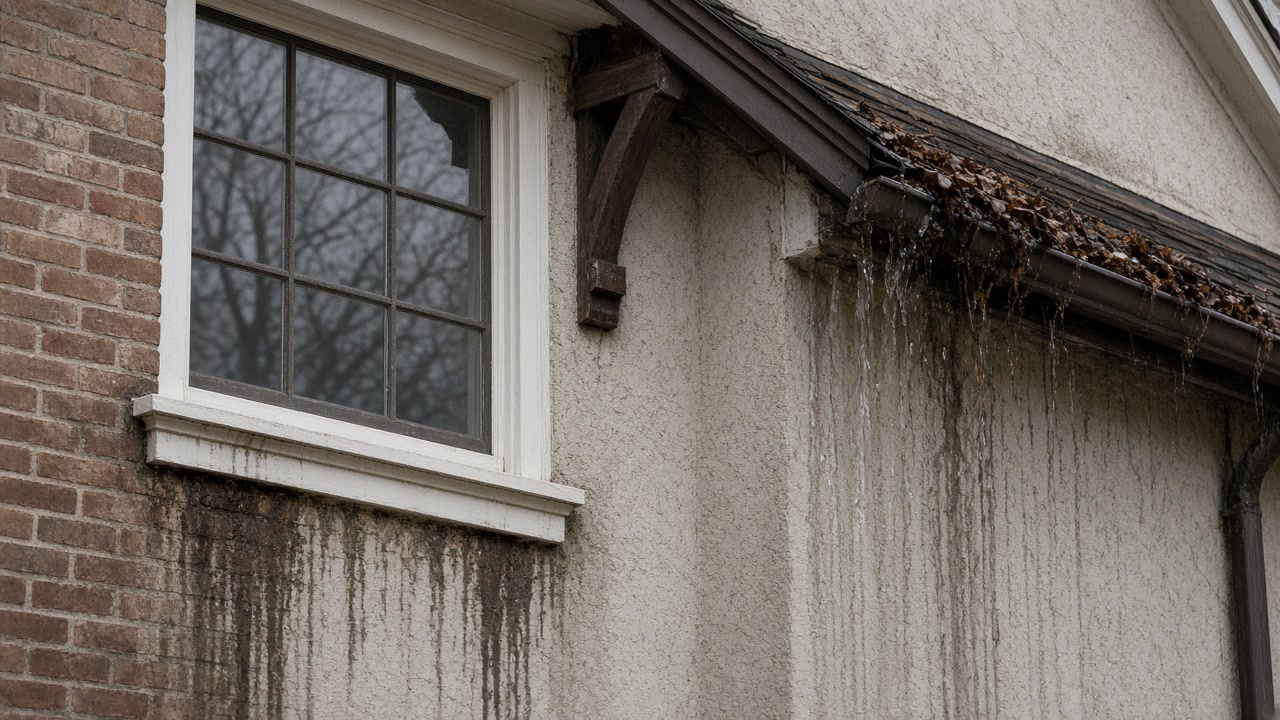
Before anyone opens a wall, settle who signs. There is no Hartsdale building department, so a permit for work touching grading, drainage or a foundation is issued by the Town of Greenburgh and runs on the Town's timetable rather than yours. Then settle the line between removal and reconstruction, because they are separate contracts and the second one is the expensive half. The EPA gives the useful rule: porous materials such as carpet and ceiling tiles may have to be thrown out because mold fills the crevices and cannot reliably be removed, while hard surfaces can generally be cleaned and kept. Ask for that split as two written columns before the first cut, and ask what the wall is going back as.
What the 1950s shell is actually made of
1,445 housing units, a median year built of 1956 and about 92 percent built before 1980. Only a quarter predate 1940, so this is block and postwar detailing rather than prewar masonry.
Which office issues the permit
Greenburgh, not Hartsdale. Permits, floodplain determinations and drainage complaints for the unincorporated area all go to the Town, and that is a call to make before a start date is agreed.
Whether the work is a licensed project at all
New York treats work on areas greater than ten square feet as a mold project, and exempts a residential property owner working on their own property. Measure the affected area before you decide who you need.
A 1956 median, and the highest pre-1980 share on this site
In the 2019-2023 American Community Survey, Hartsdale CDP has 1,445 housing units with a median year built of 1956. Only 25.1 percent were built in 1939 or earlier, but about 92 percent were built before 1980, the highest pre-1980 share of the eight towns on this site. Of 1,360 occupied units, 86.3 percent are owner occupied.
Source: U.S. Census Bureau, American Community Survey 2019-2023 5-Year Estimates, Tables DP04 and B25035, accessed 2026-09-22
Hartsdale is an unincorporated hamlet within the Town of Greenburgh and has no village government of its own. The Town of Greenburgh covers 31 square miles between the Hudson River and the Bronx River and contains six incorporated villages plus the unincorporated area; that unincorporated area, about 18 square miles, is the part covered by the Town's own hazard mitigation annex. Floodplain management for it sits with the Town's Bureau of Engineering, and the flood damage prevention ordinance is Chapter 220 of the Town Code, dated 2007.
Source: Westchester County Department of Planning, 2021 Countywide Hazard Mitigation Plan, Section 9.11 Town of Greenburgh, accessed 2026-09-22
The EPA states that "Absorbent or porous materials, such as ceiling tiles and carpet, may have to be thrown away if they become moldy. Mold can grow on or fill in the empty spaces and crevices of porous materials, so the mold may be difficult or impossible to remove completely." It advises "Do not paint or caulk moldy surfaces", and lists the places hidden mold is commonly found, including the back side of drywall, wallpaper or paneling, the underside of carpets and pads, inside walls around leaking or condensing pipes, and wall surfaces behind furniture where condensation forms. It warns that investigating hidden mold can itself release spores, for example when removing wallpaper.
Source: United States Environmental Protection Agency, A Brief Guide to Mold, Moisture and Your Home, accessed 2026-09-22
The New York State Department of Labor states that "A Mold Project is defined as mold remediation, mold assessment, or mold abatement, of areas greater than ten (10) square feet undertaken for purpose of mold remediation or abatement", and that "The mere presence of mold does not trigger any obligation to obtain an assessment or perform remediation. However, if a property owner does elect to hire either an assessor or remediator, for the purposes of mold assessment or remediation, those individuals must be licensed and follow the requirements in the law." The first of its four licensing exemptions is "A residential property owner who performs mold inspection, assessment, remediation, or abatement on his or her own property"; the others cover non-residential owners of buildings of four or fewer dwelling units, owners and managing agents working on their own larger buildings provided they do not perform the work for the public, and governmental units and their employees. The Department states that consultants and contractors acting as agents of a governmental unit are not exempt.
Source: New York State Department of Labor, Mold Frequently Asked Questions, accessed 2026-09-22
What mold removal involves in Hartsdale
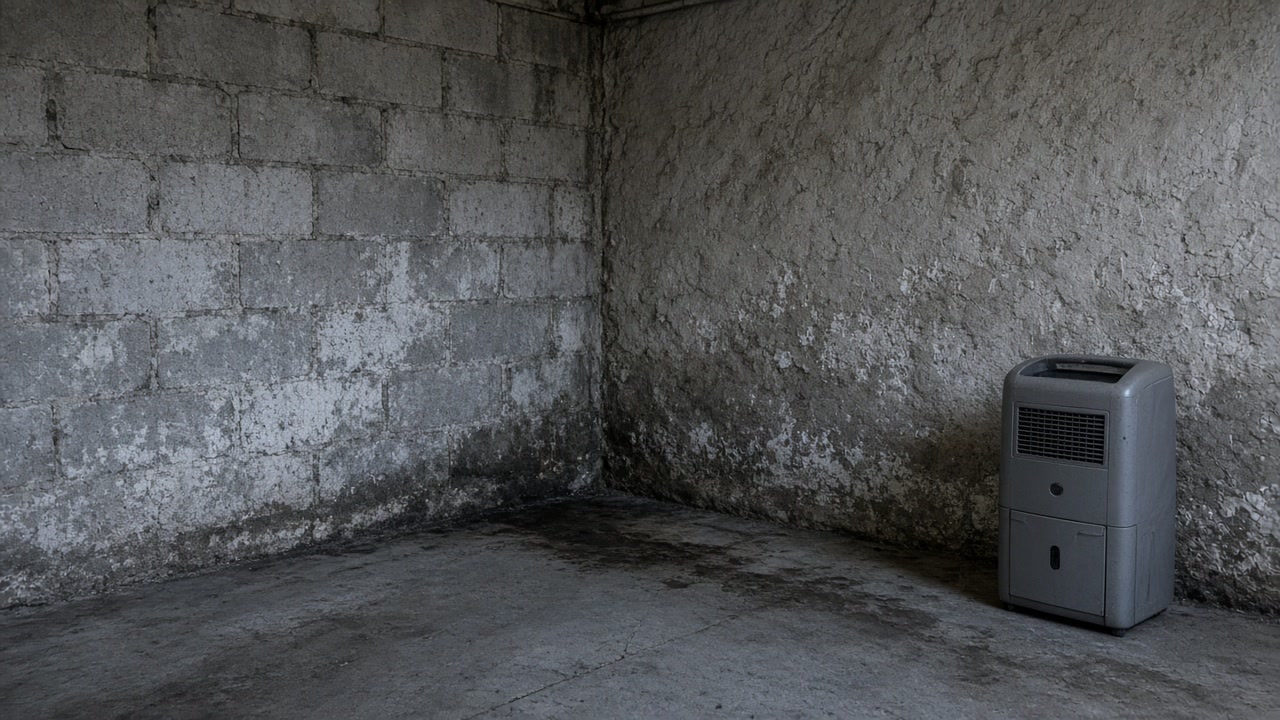
What a Hartsdale removal takes off a block wall
Hartsdale is postwar rather than prewar, and that changes the removal. The median Hartsdale home was finished in 1956 and about 92 percent were built before 1980, the highest pre-1980 share of the eight towns on this site, which usually means a block foundation, whatever waterproofing it left the site with, and a finished basement added long after the shell went up. The mold is rarely in the block itself. It is in what was fixed to it: studwork, insulation, paneling and the carpet that went down last.
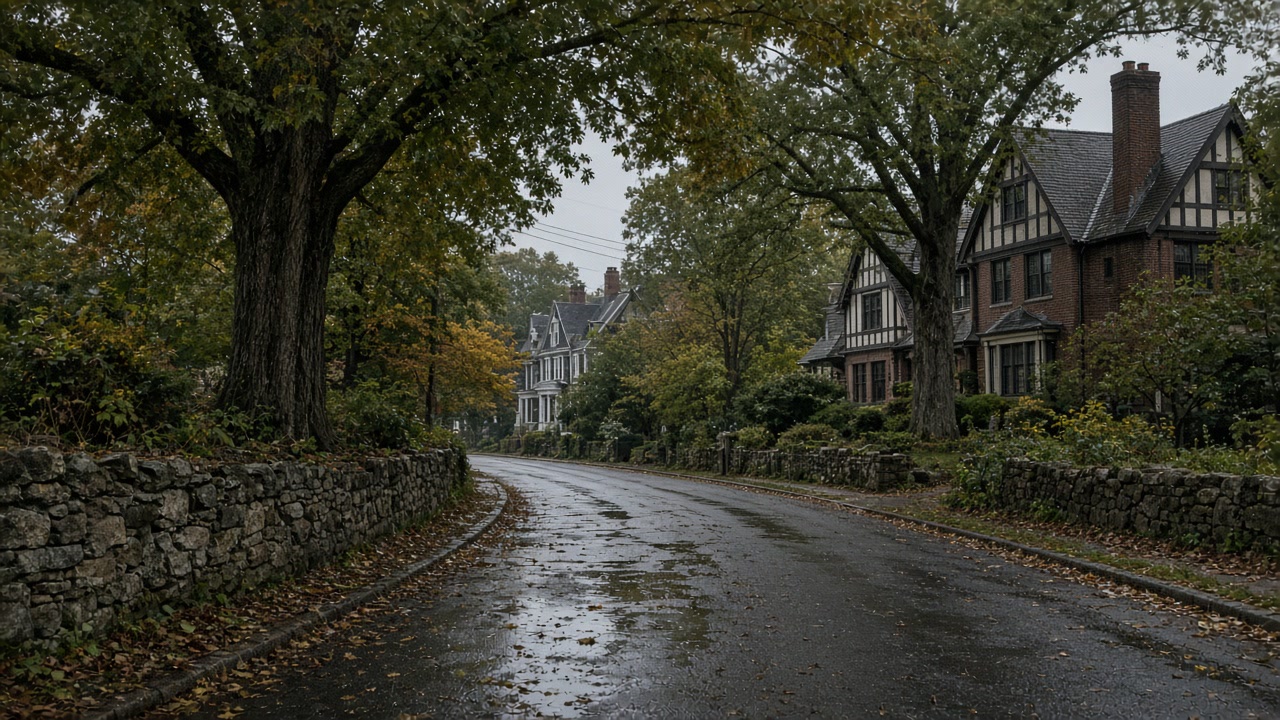
How much of the room was finished later?
Paneling, studwork and carpet on a 1950s block wall behave differently from the wall itself. Tell us what is fixed to what.
Hartsdale questions about opening up a 1950s basement
Do I need a permit to have the basement stripped out?
That is a Town of Greenburgh question rather than a Hartsdale one, and it turns on what the work touches. Because the hamlet is unincorporated, permits, floodplain determinations and drainage complaints for your address all go to the Town, where floodplain management sits with the Bureau of Engineering under Chapter 220. Ask before the scope is agreed, since the strip out and the reconstruction that follows are two different conversations with that office.
The walls are block with paneling over them. What actually survives?
Usually the block does and the paneling does not. The EPA lists the back side of drywall, wallpaper and paneling, the underside of carpets and pads, and wall surfaces behind furniture where condensation forms as the places hidden mold is commonly found, and warns that investigating hidden mold can itself release spores, for example when wallpaper is pulled. That is the argument for containment being planned before anybody starts lifting a corner to see how far it goes.
Send the Hartsdale room and its finishes
A rough area, the materials, and whether water has reached it. You get the removal list and the retain list as two separate things.