Basement Dry Out in Hartsdale, With a Tributary in the Equation
When the water in a Hartsdale lower level came from outside, the first job is working out what it brought in with it.
Water Damage Drying quote in Hartsdale
Tell us what you can see or smell, where in the house it is, and whether water has been in that space before. That last answer is the one that changes our advice most, because a space that has taken water more than once is asking a different question from a space that took it once.
$100 off your first job
Credited by us on your first booked job.
- One credit per customer per property, on your first booked job.
- Valid through December 31, 2026.
Mention this offer when you book. Full terms.
What arrives in a Hartsdale basement, and where it came from
The Town of Greenburgh's hazard plan records two Hartsdale conditions worth knowing about at the moment your floor is wet. It states that flooding occurs on East Hartsdale Avenue from a tributary, causing basement and ground floor damage to businesses, with a stormwater infrastructure analysis of that corridor underway. And it describes the stormwater system at West Hartsdale Road as degraded and lacking the capacity it needs, proposing headwall replacement, more channel capacity and slope stabilization. Neither is a statement about a particular house. Both mean water arriving from outside here may be surface water carrying whatever the channel carried.
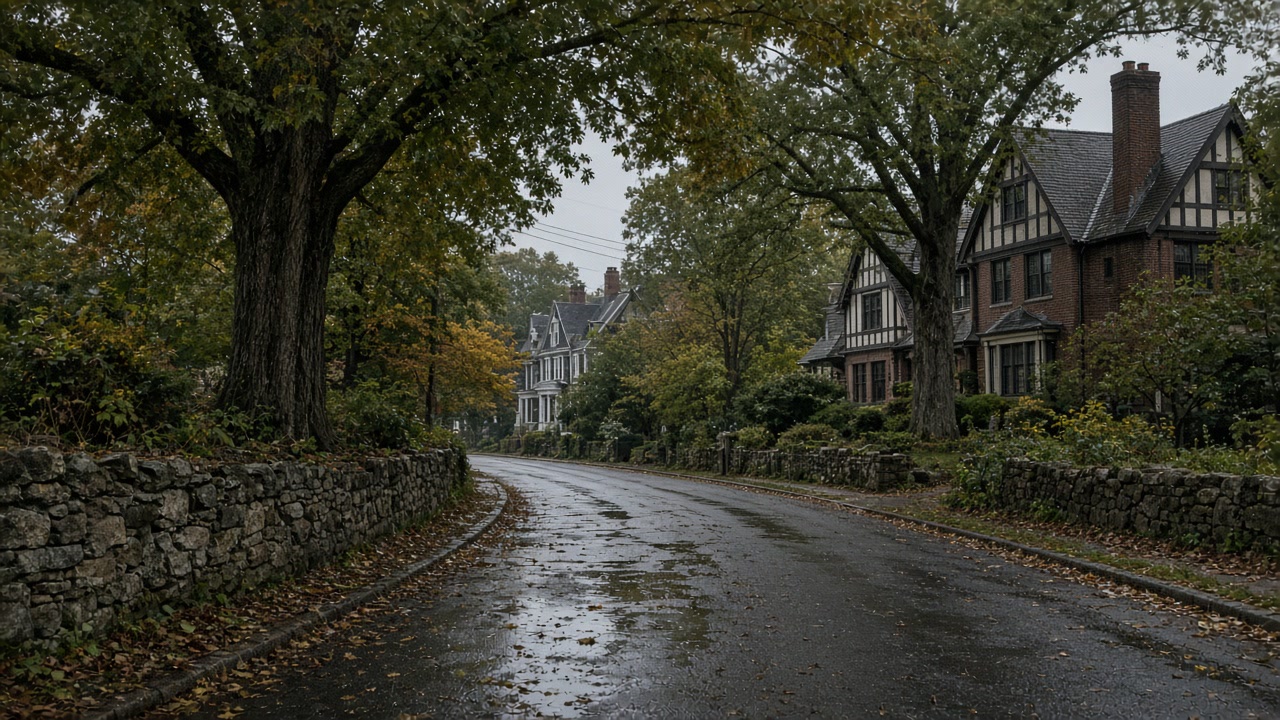
What water damage drying involves in Hartsdale
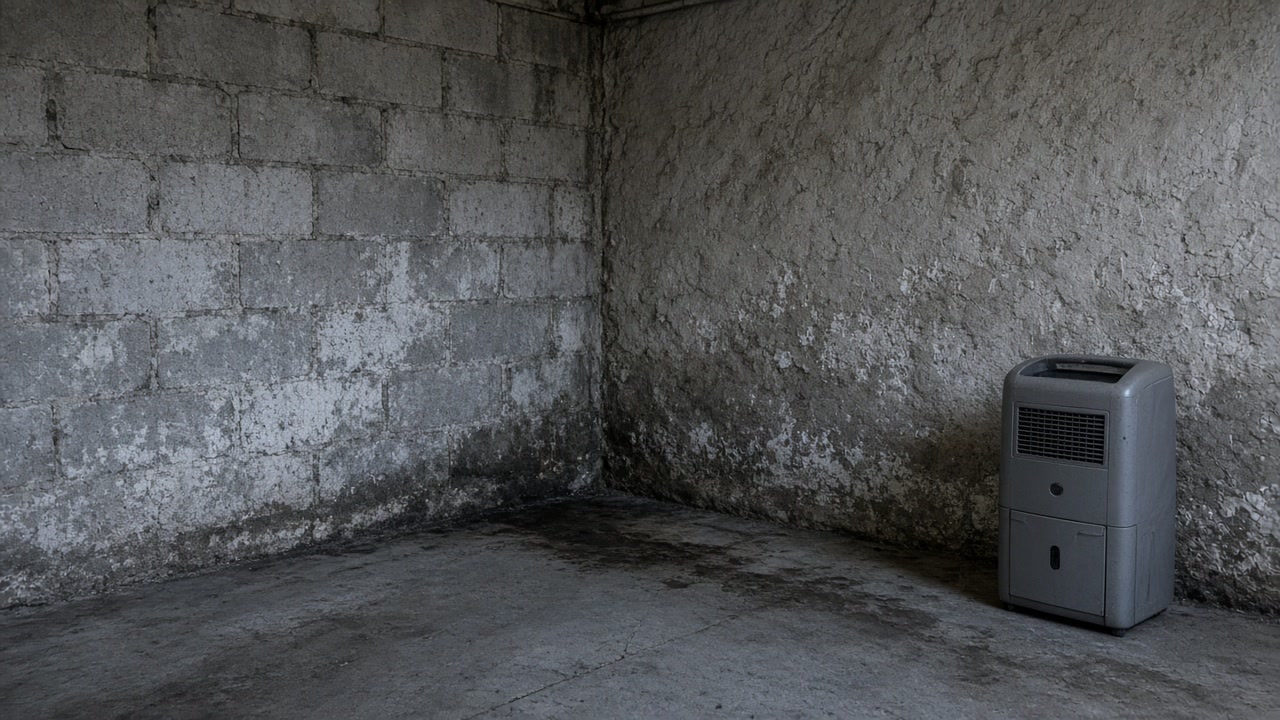
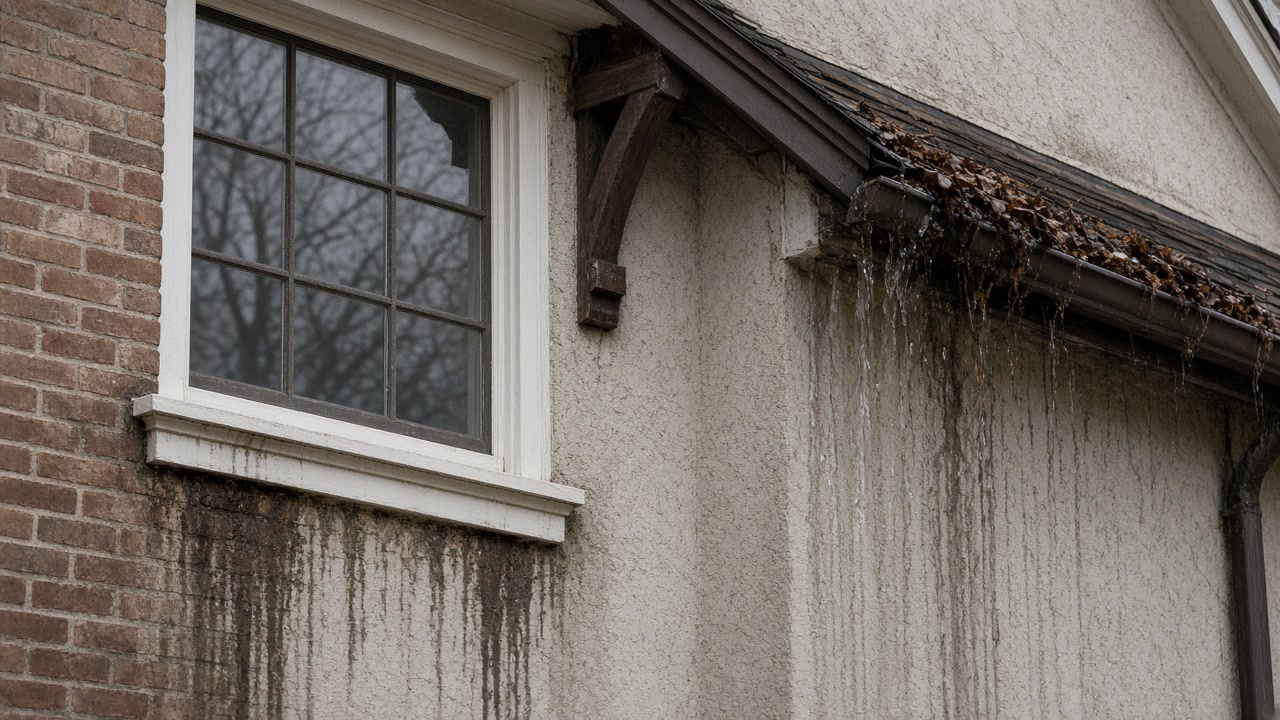
The two clocks running on a Hartsdale dry out
Two clocks run on a Hartsdale dry out and only one of them is yours. The first is the EPA's: materials dried within 24 to 48 hours will in most cases not grow mold, and past that the work stops being drying and becomes removal. The second is the Town's, and it is much slower. The East Hartsdale Avenue analysis and the proposed works at West Hartsdale Road are Town budget items rather than finished construction, so any decision about reinstating a below grade room should assume the outside condition is still there next spring. That argues for drying quickly and rebuilding in materials that can be dried again, not for spending more.
What the water was before it reached you
Greenburgh's plan records flooding on East Hartsdale Avenue arriving from a tributary. Channel water is not roof water, and it changes whether soft material is dried or discarded.
How many hours have passed since it arrived
The EPA states that damp materials dried inside 24 to 48 hours will in most cases not grow mold, and the Department of Labor notes mold can begin to develop on damp surfaces inside the same window.
What to put back, given the Town's timetable
The West Hartsdale Road proposals are headwall replacement, increased channel capacity and slope stabilization. Proposed, not built. Reinstate the room for the drainage that exists now.
Two Hartsdale drainage items sitting in Greenburgh's hazard plan
The Town of Greenburgh's 2021 hazard mitigation annex identifies two Hartsdale-specific drainage problems. It records that "Flooding occurs on East Hartsdale Avenue from a tributary resulting in basement and ground floor damages to businesses", with a stormwater infrastructure analysis of that corridor underway, and that "The stormwater system at West Hartsdale Road is degraded and lacks the necessary capacity to handle stormwater", proposing headwall replacement, increased channel capacity and slope stabilization. It also carries forward a Hartsdale Brook flood control project near East Hartsdale Avenue whose original engineering report dates from September 2008.
Source: Westchester County Department of Planning, 2021 Countywide Hazard Mitigation Plan, Section 9.11 Town of Greenburgh, accessed 2026-09-22
Hartsdale is an unincorporated hamlet within the Town of Greenburgh and has no village government of its own. The Town of Greenburgh covers 31 square miles between the Hudson River and the Bronx River and contains six incorporated villages plus the unincorporated area; that unincorporated area, about 18 square miles, is the part covered by the Town's own hazard mitigation annex. Floodplain management for it sits with the Town's Bureau of Engineering, and the flood damage prevention ordinance is Chapter 220 of the Town Code, dated 2007.
Source: Westchester County Department of Planning, 2021 Countywide Hazard Mitigation Plan, Section 9.11 Town of Greenburgh, accessed 2026-09-22
The EPA states: "It is important to dry water-damaged areas and items within 24-48 hours to prevent mold growth", and "If wet or damp materials or areas are dried 24-48 hours after a leak or spill happens, in most cases mold will not grow." Its mold course adds that buildings and furnishings "must be dried or 'allowed to dry' quickly (within 24-48 hours) in order to avoid mold growth".
Source: United States Environmental Protection Agency, A Brief Guide to Mold, Moisture and Your Home, accessed 2026-09-22
The New York State Department of Labor states that "In most cases, air sampling and mold testing is unnecessary. There are currently no EPA or Federal standards for mold, so any interpretation of sampling results would not be based on any established health or environmental standard." It also states that mold needs water or moisture, typically indoor humidity above 55 percent, an organic food source and a temperature typically between 40F and 99F, and that "Mold can begin to develop and grow on damp surfaces within 24 to 48 hours".
Source: New York State Department of Labor, Mold Frequently Asked Questions, accessed 2026-09-22
Did it come off the street or out of the wall?
Outside water and a plumbing failure need different first moves. Say which it looked like and roughly when.
What comes after the Hartsdale water is out
Hartsdale questions while the floor is still wet
How quickly does a wet Hartsdale basement have to be dealt with?
Sooner than most people expect. The EPA puts the window at 24 to 48 hours for drying water damaged areas and items, and says that materials dried inside it will in most cases not grow mold. The Department of Labor is more direct still, stating mold can begin to develop and grow on damp surfaces within 24 to 48 hours. The practical problem in a lower level is that nobody is there when the water arrives, so several of those hours are usually gone before the clock is noticed.
Is the Town going to fix the drainage on our corridor?
The record says work is proposed, not done. Greenburgh's plan lists a stormwater infrastructure analysis underway for East Hartsdale Avenue and proposes headwall replacement, increased channel capacity and slope stabilization at West Hartsdale Road, and it carries forward a Hartsdale Brook flood control project whose original engineering report dates from September 2008. Those are Town budget items on a Town timetable. Treat the outside condition as unchanged when you decide what to rebuild in.
Tell us the hour it arrived
That number, plus the depth and the finishes, is enough for us to say what is still savable and what is not.