Mold Removal in Mamaroneck: Which Side of the River Issues Your Permit
The most avoidable delay on a Mamaroneck basement job is not the work. It is finding out late which of three governments has to approve it.
Mold Removal quote in Mamaroneck
Tell us what you can see or smell, where in the house it is, and whether water has been in that space before. That last answer is the one that changes our advice most, because a space that has taken water more than once is asking a different question from a space that took it once.
$100 off your first job
Credited by us on your first booked job.
- One credit per customer per property, on your first booked job.
- Valid through December 31, 2026.
Mention this offer when you book. Full terms.
Three governments, one village name
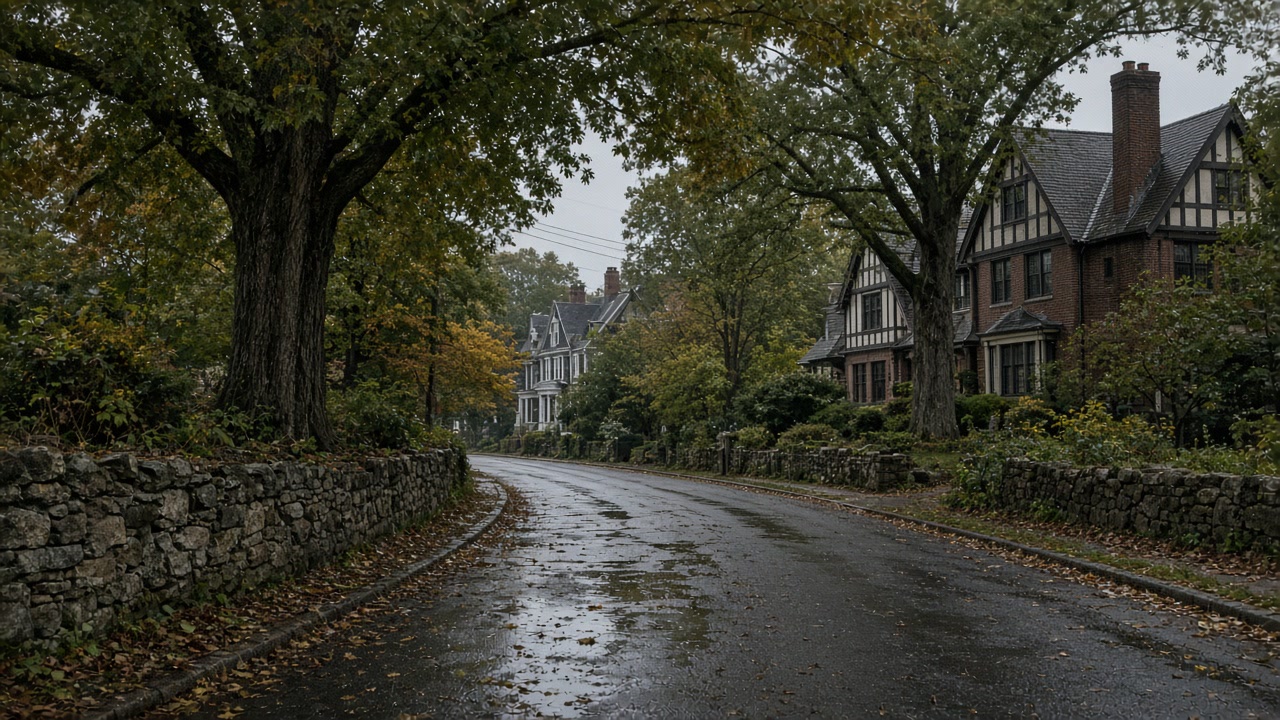
The Village of Mamaroneck is comprised of portions of two towns, Mamaroneck and Rye, which lie on the west and east sides of the Mamaroneck River respectively. The Town of Mamaroneck separately covers an unincorporated area of 5.7 square miles, the entire Village of Larchmont of one square mile, and the part of the Village of Mamaroneck west of the Mamaroneck River, which is 2.3 square miles. The Department of Environmental Conservation places the headwaters of the Mamaroneck River in the Town of Harrison and the headwaters of the Sheldrake River in the Town of Scarsdale, with both joining in the Village of Mamaroneck before emptying into Long Island Sound.
Source: Westchester County Department of Planning, 2021 Countywide Hazard Mitigation Plan, Section 9.35 Village of Mamaroneck, and Section 9.13 Town of Mamaroneck, accessed 2026-09-22
In the 2019-2023 American Community Survey, Mamaroneck village has 7,692 housing units with a median year built of 1952, 38.8 percent built in 1939 or earlier and about 78 percent before 1980. Of 7,117 occupied units, 58.8 percent are owner occupied and 41.2 percent are rented.
Source: U.S. Census Bureau, American Community Survey 2019-2023 5-Year Estimates, Tables DP04 and B25035, accessed 2026-09-22
The 2021 county plan reports FEMA data current to July 2021 for the Village of Mamaroneck: 995 flood insurance policies in force, 1,982 paid claims, $35,876,221.73 in total loss payments and 245 Repetitive Loss properties, the highest policy count and claim count of the eight towns on this site. The Village is a Community Rating System Class 8 community as of October 1, 2014, worth a 10 percent premium discount, and its flood damage prevention law is Chapter 186 of the Village Code, adopted in 2007.
Source: Westchester County Department of Planning, 2021 Countywide Hazard Mitigation Plan, Section 9.35 Village of Mamaroneck, accessed 2026-09-22
The EPA states that "Absorbent or porous materials, such as ceiling tiles and carpet, may have to be thrown away if they become moldy. Mold can grow on or fill in the empty spaces and crevices of porous materials, so the mold may be difficult or impossible to remove completely." It advises "Do not paint or caulk moldy surfaces", and lists the places hidden mold is commonly found, including the back side of drywall, wallpaper or paneling, the underside of carpets and pads, inside walls around leaking or condensing pipes, and wall surfaces behind furniture where condensation forms. It warns that investigating hidden mold can itself release spores, for example when removing wallpaper.
Source: United States Environmental Protection Agency, A Brief Guide to Mold, Moisture and Your Home, accessed 2026-09-22
New York Labor Law section 946 requires a mold remediation licensee to prepare a remediation work plan specific to each project and give it to the client before work begins, to provide required personal protective equipment, to display signs indicating remediation is in progress, and to leave containment in place until clearance is obtained from an assessment licensee. Section 935 requires the assessment licensee to prepare a work analysis and give it to the client before remediation begins, and requires the remediation licensee to keep a copy of the work plan on site.
Source: New York State Senate, Labor Law section 946, accessed 2026-09-22
The Mamaroneck question to answer before the scope
Settle the jurisdiction before the scope. The Village of Mamaroneck is made up of portions of two towns, Mamaroneck to the west of the Mamaroneck River and Rye to the east, while the Town of Mamaroneck separately covers 5.7 square miles of unincorporated area, the whole Village of Larchmont, and the 2.3 square miles of the Village west of the river. Which side of the water a house sits on decides who issues the permit and who administers the floodplain, and a removal touching grading, drainage or a foundation stalls immediately when that has been assumed rather than checked.
What a 1952 median means for what comes out
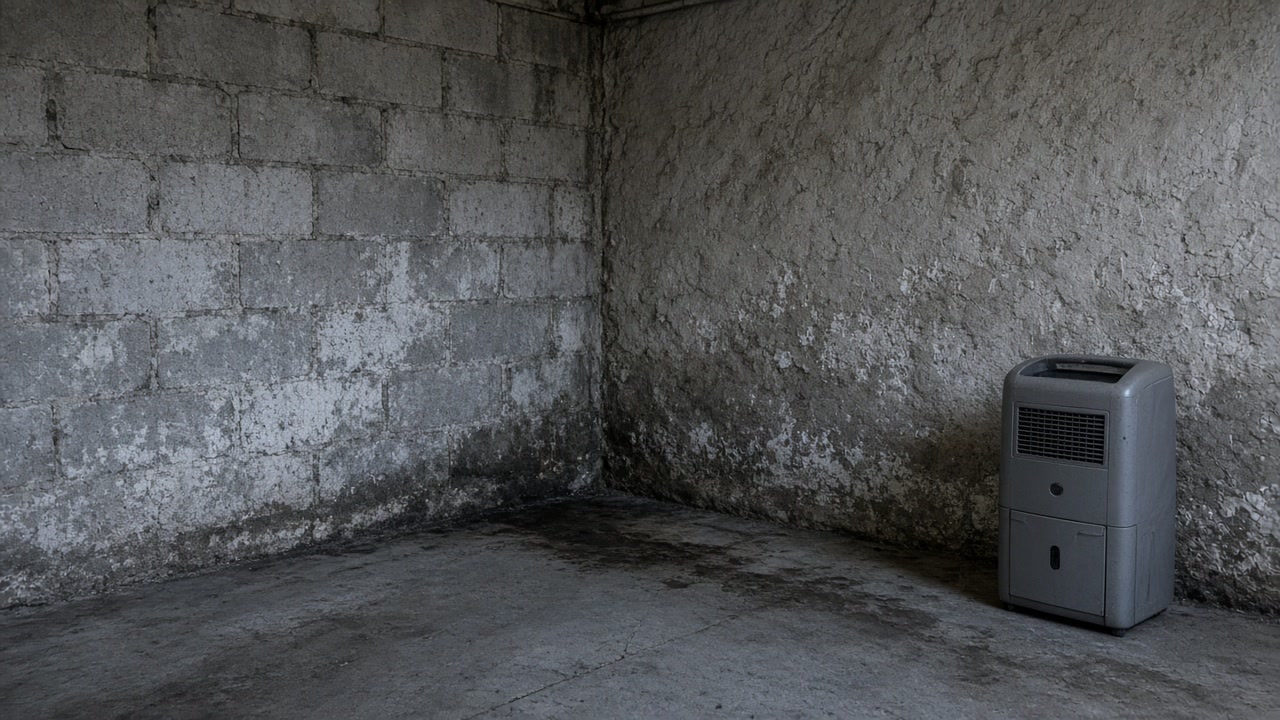
Then look at what the house is made of. Mamaroneck village has 7,692 housing units with a median year built of 1952, 38.8 percent finished in 1939 or earlier and about 78 percent before 1980, so a large share of the below grade space here predates modern damp proofing and was finished afterwards by somebody else. That is the scope in one sentence: studwork, insulation, paneling and floor coverings added against an old wall. The EPA is blunt about which of those survive, since absorbent materials such as ceiling tiles and carpet may have to be thrown away because mold fills the spaces in the material, while hard surfaces can usually be cleaned. Ask for the removal list and the retain list as two columns before agreeing anything.
Which government your address answers to
The Village spans portions of the Towns of Mamaroneck and Rye, split by the river, and the Town of Mamaroneck covers its own unincorporated area plus all of Larchmont. Confirm before a start date is agreed.
How much of the room was added later
7,692 units, a median year built of 1952 and 38.8 percent built in 1939 or earlier. Old wall with newer finish against it is the common pattern, and the finish is the part that fails.
What the local flood law asks of the rebuild
The Village's flood damage prevention law is Chapter 186, adopted in 2007, and the Village is a Community Rating System Class 8 community as of October 2014, worth a 10 percent premium discount.
West of the river, or east?
That single detail decides the permit path. Send it with a rough area and what the room is finished with.
Around a Mamaroneck removal
Mamaroneck questions about permits and porous material
Which office do I apply to if the house is east of the river?
Check the boundary before assuming. The Village of Mamaroneck is comprised of portions of two towns, Mamaroneck on the west side of the Mamaroneck River and Rye on the east, and the Town of Mamaroneck separately covers an unincorporated area of 5.7 square miles as well as the part of the Village west of the river. The Village's own flood damage prevention law is Chapter 186. Establishing which municipality administers your address is the cheapest hour on the whole job.
Does everything porous have to come out?
Not everything, but the presumption runs that way for absorbent material. The EPA states that porous items such as ceiling tiles and carpet may have to be thrown away because mold can grow into the crevices and be impossible to remove completely, while non-porous surfaces are generally cleanable. Alongside that, New York requires the remediation licensee to work to a written plan given to you before work starts and to keep containment in place until an assessment licensee clears it, so what leaves the room should be written down before it does.
Tell us the Mamaroneck address side and the finishes
Jurisdiction first, materials second. Both get settled before anyone talks about a start date.